

Can Gum Disease Be Cured? Understanding Treatment and Management
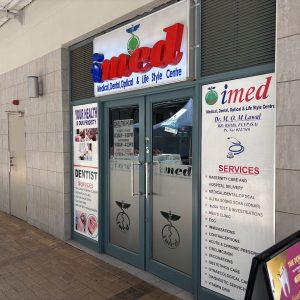
The question, “Can gum disease be cured?” is one we frequently hear at iMed Medical Center in Pretoria. It’s a vital question, as gum disease is a widespread condition that affects millions. The answer, however, isn’t a simple yes or no. It largely depends on the stage of the disease. Understanding the different stages and available treatments is key to protecting your oral health and, by extension, your overall well-being.
The Stages of Gum Disease: Gingivitis vs. Periodontitis
To properly answer, “Can gum disease be cured?”, we first need to distinguish between its two main stages:
1. Gingivitis (Early Stage Gum Disease)
Gingivitis is the earliest and mildest form of gum disease. It’s characterized by inflammation of the gums, often caused by plaque buildup along the gumline.
Symptoms of Gingivitis include:
- Red, swollen, or tender gums
- Gums that bleed easily when brushing or flossing
- Persistent bad breath
Can Gingivitis be Cured? Yes! The excellent news is that gingivitis is completely reversible. Because it only affects the gum tissue and has not yet caused damage to the bone supporting your teeth, thorough professional cleaning and consistent, diligent oral hygiene at home can fully eliminate it. This includes brushing twice a day, flossing daily, and using an antimicrobial mouthwash if recommended.
2. Periodontitis (Advanced Gum Disease)
If gingivitis is left untreated, it can progress to periodontitis. At this stage, the infection has spread beyond the gums and has begun to damage the soft tissues and, critically, the bone that supports your teeth. Pockets form between the teeth and gums, filling with bacteria, plaque, and tartar.
Symptoms of Periodontitis can include:
- Red, swollen, or bleeding gums (more severe than gingivitis)
- Receding gums, making teeth appear longer
- Pus between teeth and gums
- Persistent bad breath or a bad taste
- Loose or shifting teeth
- Changes in your bite
Can Periodontitis be Cured? Unfortunately, once periodontitis has caused bone loss, the damage is generally not fully reversible or “cured” in the sense of completely regenerating all lost bone and tissue to their original state. However, the good news is that periodontitis can be effectively managed and halted from progressing further. With appropriate treatment and ongoing maintenance, the infection can be brought under control, preventing further bone loss and tooth loss. This is crucial for preserving your smile and preventing the systemic health issues linked to gum disease, as discussed in our article, “Can gum disease make you sick?”
Treatment for Gum Disease at iMed Medical Center

The treatment approach for gum disease depends heavily on its stage and severity. Our experienced dental team at iMed Medical Center offers a range of effective solutions:
Non-Surgical Treatments (for Gingivitis and Mild Periodontitis)
- Professional Dental Cleaning (Prophylaxis): Routine cleanings remove plaque and tartar above and below the gumline. This is often sufficient to reverse gingivitis.
- Scaling and Root Planing (Deep Cleaning): This procedure involves scraping away plaque and tartar from above and below the gumline (scaling) and then smoothing out the rough spots on your tooth roots (root planing). This removes bacteria and creates a clean surface for your gums to reattach to the teeth. This is done under local anesthetic and is typically recommended for early to moderate periodontitis.
- Antibiotics: Your dentist may prescribe oral antibiotics or apply topical antibiotics directly into gum pockets to help control bacterial infection.
- Antimicrobial Mouthwashes: Prescription-strength mouthwashes can help reduce bacteria in your mouth.
Surgical Treatments (for Moderate to Advanced Periodontitis)
When non-surgical methods are not enough to control periodontitis, surgical interventions may be necessary. These procedures are typically performed by a periodontist (a gum disease specialist), to whom iMed Medical Center can provide referrals.
- Flap Surgery (Pocket Reduction Surgery): The gums are lifted back to allow for thorough cleaning of plaque and tartar from deep pockets. Damaged bone may be reshaped to reduce areas where bacteria can hide. Gums are then re-positioned to fit snugly around the teeth.
- Bone Grafts: If significant bone has been lost, bone grafting material (from your own body, a donor, or synthetic) can be used to promote the regrowth of lost bone, providing a foundation for new bone growth.
- Soft Tissue Grafts: If gums have receded significantly, tissue from another part of your mouth (often the roof) or a donor source can be used to cover exposed tooth roots, reducing sensitivity and improving aesthetics.
- Guided Tissue Regeneration: A small piece of mesh-like fabric is inserted between the bone and gum tissue. This prevents gum tissue from growing into the area where bone should be, allowing bone and connective tissue to regrow and better support the teeth.
The Importance of Ongoing Maintenance
Regardless of the initial stage of gum disease or the treatment received, ongoing maintenance is critical. Gum disease is a chronic condition that requires continuous attention. Our dental team at iMed Medical Center will work with you to establish a personalized maintenance schedule, which typically involves more frequent cleanings and check-ups than for individuals without a history of gum disease.
Consistent home care – brushing twice daily, flossing every day, and using recommended oral hygiene products – combined with regular professional check-ups at iMed Medical Center, is your best defense against recurrence and progression of gum disease. For more information on maintaining your family’s oral health, explore our article on Family Dental Checkups: 10 Essential Benefits [internal link to “Family Dental Checkups: 10 Essential Benefits” blog post].
Your Partner in Oral Health: iMed Medical Center
At iMed Medical Center in Pretoria, our dedicated dental services is committed to providing comprehensive care for all stages of gum disease. We focus on early detection, effective treatment, and personalized ongoing management to help you maintain healthy gums and a healthy body. While gum disease can be cured in its early stages (gingivitis) and effectively managed in its advanced forms, timely intervention is key.
Don’t wait for pain or severe symptoms to seek help. Proactive care is the best way to protect your smile and overall health.
Contact Us

Concerned about your gum health? Don’t delay! Schedule your dental check-up at iMed Medical Center today. Visit our website at https://imedcentre.co.za/ to book your appointment. Let us help you achieve lasting oral health.