Walk-in clinic Hatfield in Pretoria

Walk-in clinic Hatfield in Pretoria | iMed Medical Centre

Walk-in clinic Hatfield in Pretoria

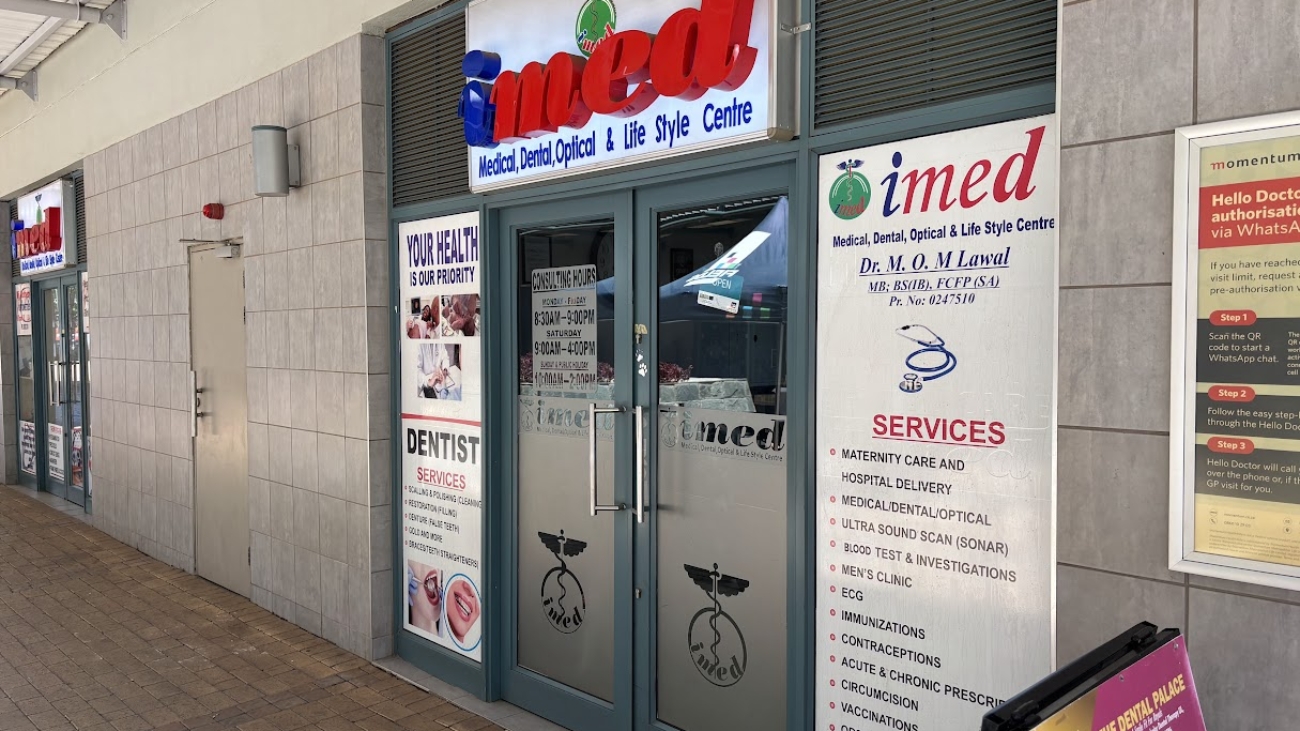
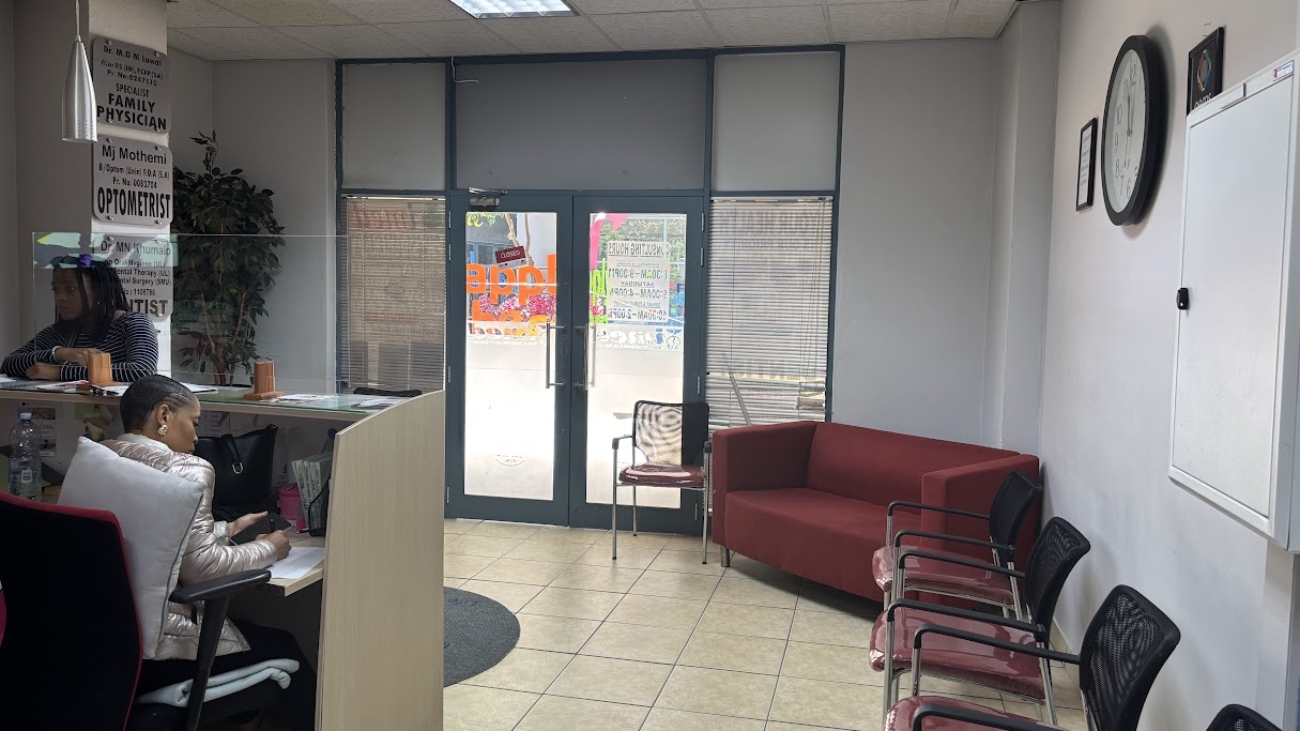
The primary advantage of a walk-in service is immediacy. Traditional doctor’s offices often have waiting lists that stretch days into the future. A walk-in clinic in Hatfield, Pretoria, allows you to address health concerns the moment they arise, preventing minor issues from escalating into serious complications.

The iMed Advantage: Extended Hours and Comprehensive Care

What sets iMed Medical Centre apart from other facilities in the area is our commitment to accessibility. We recognize that most people cannot leave work or university during mid-day hours for a consultation.

  • Late-Night Availability: We are open Monday to Friday until 9 PM, allowing you to visit us after your workday or lectures are finished.
  • Weekend Support: Health issues don’t take the weekend off, and neither do we. Our Hatfield branch is available to assist you throughout the weekend.
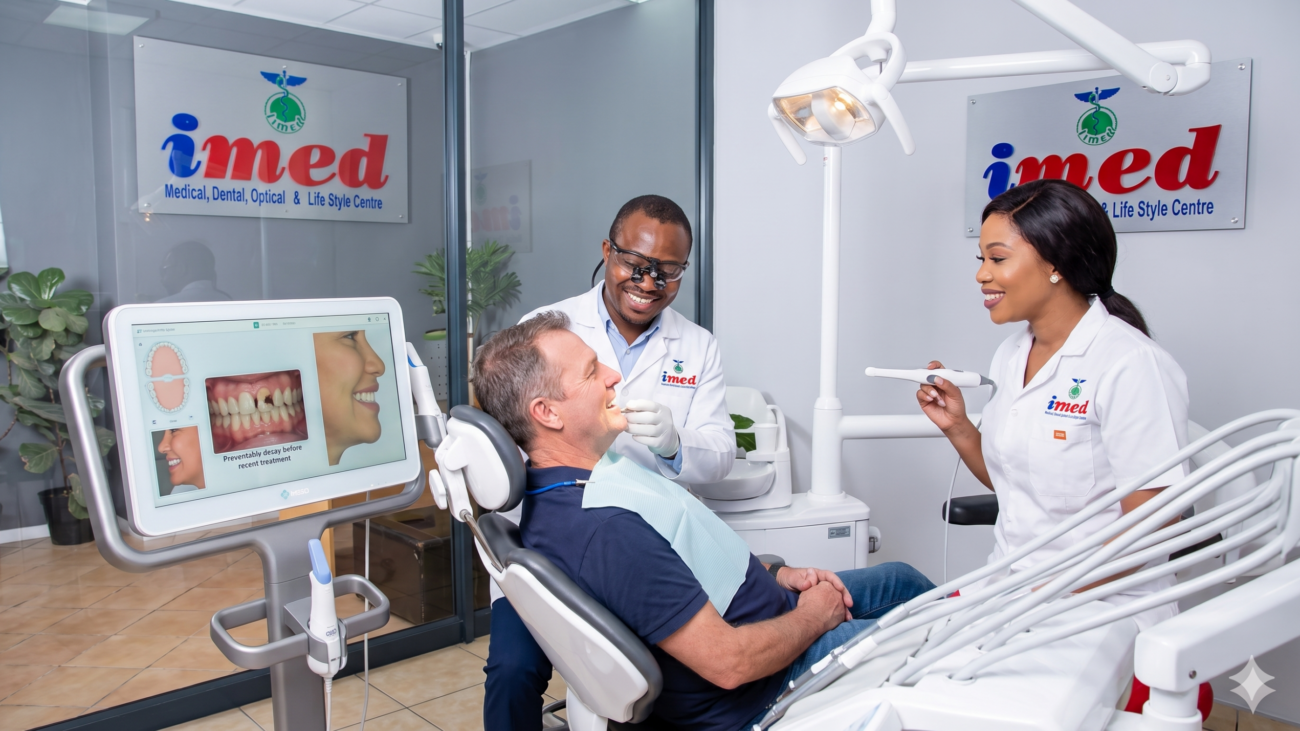
  • All-in-One Facility: Unlike a standard GP office, we offer medical, dental, and optical care under one roof. If your “medical” emergency is actually a broken tooth or a lost contact lens, we have the specialists on-site to help.

What Conditions Can We Treat?

Our walk-in clinic is equipped to handle a wide variety of non-life-threatening conditions, including:

  • Flu, cold, and respiratory infections.
  • Minor cuts, burns, and sports injuries.
  • Allergic reactions and skin rashes.
  • Quick screenings and basic diagnostic tests.
  • Urgent dental pain or optical discomfort.

Our Trusted Professional Network

We believe in a holistic approach to your professional and personal needs. Whether you are seeking medical wellness at iMed Medical Centre, requiring expert oral care from The Family Dentist, needing precise property boundary solutions from The Land Surveyor, or looking for dedicated legal representation at Ramatsitsi Attorneys, our community of experts is here to support you.

What to Bring for Your Visit

To ensure your visit is as smooth as possible, please remember to bring:

  1. Identification: A valid ID or passport.
  2. Medical Aid Card: If you are using medical insurance, though we also welcome private-paying patients.
  3. Current Medications: A list of anything you are currently taking helps our doctors provide the safest care.

Dedicated to the Pretoria Community

Whether you are a student at the University of Pretoria or a resident in the surrounding suburbs, our goal is to provide a healthcare experience that is as efficient as it is effective. Our streamlined check-in process at the Hatfield branch ensures that even during peak times, we work diligently to get you seen by a professional as quickly as possible.

Need to see a doctor right now?

Contact us

Don’t wait for an appointment that is days away. Visit iMed Medical Centre’s walk-in clinic in Hatfield, Pretoria, for immediate, professional care. Visit our website at https://imedcentre.co.za/ to see our full list of services or come directly to our clinic in Hatfield. We are here to help you feel better, faster.

What’s the best time to go to a walk-in clinic

What’s the Best Time to Go to a Walk-In Clinic?

What’s the best time to go to a walk-in clinic

When you are feeling unwell or require urgent medical attention, the last thing you want to do is spend hours in a waiting room. For residents and students in Pretoria, finding a balance between immediate care and a busy schedule is essential. Understanding the flow of a medical facility can help you minimize your wait and get back to your recovery faster.

At iMed Medical Centre, our walk-in clinic in Hatfield is designed for convenience. However, like any medical facility, certain times of the day and week are naturally busier than others.

The Peak Times to Avoid

To understand what’s the best time to go to a walk-in clinic, it helps to know when most people usually arrive.

  • Monday Mornings: This is typically the busiest time for any clinic as patients wait for the new week to address issues that arose over the weekend.
  • Early Mornings (Opening Time): Many patients attempt to “beat the rush” by arriving right when the doors open, which often creates an initial bottleneck.
  • Lunch Breaks (12:00 PM – 2:00 PM): In a professional and academic hub like Hatfield, many people try to fit a doctor’s visit into their lunch hour.
  • Late Afternoons: Parents picking up children from school or employees leaving work often head to the clinic before it closes for the day.

The “Sweet Spots” for Faster Service

Based on general medical facility trends, the best times to visit a walk-in clinic are often:

  1. Mid-Morning (10:00 AM – 11:30 AM): Once the initial morning rush has been seen, there is often a lull before the lunch-hour crowd arrives.
  2. Mid-Afternoon (2:30 PM – 4:00 PM): This is usually a quieter window after the lunch rush and before the end-of-day surge.
  3. Mid-Week (Tuesday to Thursday): Mondays and Fridays tend to be the highest-volume days for walk-in services.

Our Trusted Professional Network

We believe in a holistic approach to your professional and personal needs. Requiring expert oral care from The Family Dentist, needing precise property boundary solutions from The Land Surveyor, or looking for dedicated legal representation at Ramatsitsi Attorneys, our community of experts is here to support you.

Why Patients Choose the Hatfield Walk-In Clinic

By visiting our facility, you gain access to comprehensive primary care without the need for a prior appointment. Whether you are dealing with a sudden flu, a minor injury, or need a quick consultation, our team is equipped to handle your needs efficiently.

Need medical attention today?

Contact us

Stop waiting and start healing. Now that you know what’s the best time to go to a walk-in clinic, visit iMed Medical Centre in Pretoria for professional care when you need it most. Visit our website at https://imedcentre.co.za/ or come directly to our Hatfield branch. Your health is our priority.

How much is an optometrist consultation

How Much is an Optometrist Consultation in Pretoria?

How Much is an Optometrist Consultation in Pretoria?

When planning for your visual health, understanding the costs involved is a vital first step. For many residents in Pretoria, finding a balance between high-quality medical expertise and affordability is the primary goal. Whether you are experiencing blurry vision or simply need a routine check-up, knowing what to expect financially helps you prioritize your care without stress.

At iMed Medical Centre, we provide comprehensive optical services at our Hatfield branch. We believe in transparent communication regarding our services to ensure every patient can access the care they need.

Understanding Consultation Costs

The question of how much is an optometrist consultation can vary based on the depth of the examination and the technology used. In the Pretoria area, costs are typically influenced by:

  • The Scope of the Exam: A basic vision screening for a prescription update is often priced differently than a comprehensive medical eye exam that checks for underlying conditions like glaucoma or cataracts.
  • Diagnostic Technology: Advanced imaging, such as retinal photography or specialized pressure testing, may be included in the base fee or offered as an additional service.
  • Medical Aid vs. Private Pay: Most medical aids cover a routine eye exam once every one to two years. For private-paying patients, clinics often offer competitive “cash” rates to keep care accessible.

What is Included in a Consultation?

When you book a consultation at iMed Medical Centre in Hatfield, you aren’t just paying for a prescription; you are investing in a full assessment of your ocular health. A standard comprehensive consultation typically includes:

  1. Case History: A discussion of your current vision concerns and medical history.
  2. Visual Acuity: Measuring how clearly you see at various distances.
  3. Refraction: Determining the exact power needed for glasses or contact lenses.
  4. Eye Health Assessment: Using a slit-lamp microscope to check the external and internal structures of your eyes.

Our Trusted Professional Network

We believe in a holistic approach to your professional and personal needs. Whether you are seeking medical wellness at The Family Dentist, needing precise property boundary solutions from The Land Surveyor, or looking for dedicated legal representation at Ramatsitsi Attorneys, our community of experts is here to support you.

Why iMed is the Choice for Pretoria Residents

By choosing a multidisciplinary facility like iMed, you benefit from integrated care where your optical health is managed alongside your general medical needs. Our location in Hatfield makes it convenient for students, professionals, and families to access top-tier care without traveling across the city.

Is it time for your annual eye exam?

Contact us

Don’t let cost concerns prevent you from protecting your sight. For specific pricing details or to find out how much is an optometrist consultation based on your medical aid or private requirements, contact iMed Medical Centre today. Visit our website at https://imedcentre.co.za/ or call our Hatfield branch to book your appointment.

Does teeth cleaning remove yellow

Does Teeth Cleaning Remove Yellow Stains?

How Cleaning Addresses Discoloration

To answer the question, does teeth cleaning remove yellow stains, we have to look at the two different types of staining that affect your teeth:

1. Extrinsic Stains (Surface Stains)

These are stains located on the outer layer of your tooth enamel. They are typically caused by lifestyle factors such as:

  • Dark-colored beverages like coffee, tea, and red wine.
  • Tobacco use (smoking or chewing).
  • Highly pigmented foods like berries or curry.

The Result: A professional “scale and polish” is highly effective at removing these extrinsic stains. During the polishing phase of your cleaning, we use a specialized prophy paste and a high-powered brush to scrub away these surface discolorations, often revealing a much whiter tooth underneath.

2. Intrinsic Stains (Internal Discoloration)

These stains are located deep within the structure of the tooth, under the enamel. They can be caused by aging, certain medications, or trauma to the tooth.

  • The Result: Standard teeth cleaning cannot remove intrinsic yellowing. To address these deep-seated stains, a chemical professional whitening treatment or veneers would be required.

The Role of Tartar Removal

Another reason teeth can appear yellow is the buildup of tartar (calculus). When plaque is not removed, it hardens into tartar, which has a naturally yellowish or even brownish tint. Because tartar is porous, it also absorbs food stains more easily than your natural enamel.

By removing this hardened buildup through scaling, we eliminate the yellow layer covering your teeth, which significantly improves the overall brightness and health of your smile.

Our Trusted Professional Network

We believe in a holistic approach to your professional and personal needs. Requiring expert oral care from The Family Dentist, needing precise property boundary solutions from The Land Surveyor, or looking for dedicated legal representation at Ramatsitsi Attorneys, our community of experts is here to support you.

What to Expect During Your Session

At our Hatfield branch, we focus on a comprehensive cleaning process designed to maximize both health and aesthetics:

  • Scaling: We use ultrasonic and hand tools to remove the yellow tartar from every surface.
  • Prophy Polishing: We apply a professional polishing agent to buff away surface stains from your daily coffee or tea.
  • Personalized Advice: We provide tips on how to maintain your results at home, such as using a straw for dark liquids or improving your flossing technique.

Our recent analytics show that our Dentist in Hatfield page is a high-interest area for our Pretoria patients. This indicates that residents are actively looking for ways to improve their oral health and appearance. While a cleaning is an excellent first step, if you find that your teeth are still more yellow than you’d like after your session, our team can discuss professional whitening options to reach your goal.

Ready to see a brighter version of your smile?

Contact us

Stop wondering does teeth cleaning remove yellow stains and come see the results for yourself. Book your professional scale and polish at iMed Medical Center in Pretoria today. Visit our website at https://imedcentre.co.za/ or call us to schedule an appointment with our Hatfield dental team.

How many minutes does teeth cleaning take?

How Many Minutes Does Teeth Cleaning Take?

How Many Minutes Does Teeth Cleaning Take?

When planning your dental visit in Pretoria, one of the most common questions is how much time you need to set aside. While a standard professional cleaning is efficient, the exact duration depends on the current state of your oral health and the specific treatments required.

At iMed Medical Center, we prioritize thorough care while respecting your schedule. For most patients at our Hatfield clinic, a professional teeth cleaning typically takes between 30 and 60 minutes.

Factors That Influence the Duration

While the average appointment is under an hour, several factors can shorten or extend the time you spend in the chair:

  • Plaque and Tartar Buildup: If it has been a long time since your last professional cleaning, the dental hygienist may need more time to carefully remove hardened tartar (calculus) that regular brushing cannot reach.

  • Gum Health: If there are signs of gingivitis or gum disease, your provider will spend extra time cleaning around the gum line to ensure the infection is properly addressed.

  • Deep Cleaning (Scaling and Root Planing): If you require a deep cleaning rather than a standard “scale and polish,” the process is more intensive and may be split into two separate appointments of 45 to 60 minutes each.

  • Patient Cooperation: For children or patients with dental anxiety, we take extra time to ensure comfort and a stress-free experience.

What Happens During the Appointment?

To give you a better idea of how many minutes does teeth cleaning take, here is a breakdown of the typical process at iMed:

  1. Physical Exam (5-10 minutes): The hygienist or dentist starts by examining your entire mouth to check for signs of cavities, gum inflammation, or other concerns.

  2. Scaling (15-30 minutes): This is the core of the cleaning. Using specialized tools, we remove plaque and tartar from around your gum line and between your teeth.

  3. Polishing and Flossing (5-10 minutes): Once the tartar is gone, we use a high-powered electric brush and gritty toothpaste to polish your teeth and remove surface stains. This is followed by a professional flossing session.

  4. Fluoride Treatment (2-5 minutes): As a final step, a fluoride gel or foam is applied to protect your teeth against cavities for several months.


Our Trusted Professional Network

We believe in a holistic approach to your professional and personal needs. Whether you are seeking medical wellness at iMed Medical Center, requiring expert oral care from The Family Dentist, needing precise property boundary solutions from The Land Surveyor, or looking for dedicated legal representation at Ramatsitsi Attorneys, our community of experts is here to support you.

Why Efficiency Matters for Hatfield Residents

Our recent data shows that many of our patients in Pretoria are looking for medical solutions that fit into a busy workday or university schedule. We have optimized our dental workflows to ensure that most routine cleanings are completed in roughly 30 to 45 minutes, allowing you to get back to your day with a healthier, brighter smile.

By maintaining regular six-month appointments, you actually reduce the time needed for each cleaning. Routine visits ensure that plaque doesn’t have the chance to harden into stubborn tartar, making your future sessions faster and even more comfortable.

Is it time for your professional cleaning?

Contact us

Don’t wait until you have a toothache to see us. Now that you know how many minutes does teeth cleaning take, find a gap in your schedule and book your appointment at iMed Medical Center in Pretoria. Visit our website at https://imedcentre.co.za/ or call our Hatfield branch today to secure your slot. Your smile is worth the time.

What is the secret to boost your eyesight

What is the Secret to Boost Your Eyesight? Lifestyle Habits That Work

What is the secret to boost your eyesight

1. The 20-20-20 Rule: The Secret to Digital Relief

In the modern workplace, digital eye strain is the leading cause of daily vision discomfort. When you stare at a screen, your blink rate drops by up to 50%, leading to dryness and fatigue.

  • The Secret: Every 20 minutes, look at something 20 feet (about 6 meters) away for at least 20 seconds. This simple habit allows your eye’s focusing muscles to relax and encourages a full blink cycle to restabilize your tear film.

2. Nutritional Powerhouses for Your Retina

You’ve likely heard that carrots are good for your eyes, but the real “secret” nutrients are Lutein and Zeaxanthin. These are found in dark, leafy greens like kale and spinach.

  • How it works: These nutrients act as internal sunblock for your macula, filtering out harmful blue light and protecting against age-related macular degeneration. Incorporating healthy fats, like Omega-3s found in fish, also helps manage dry eye symptoms—a frequent issue in the dry Gauteng climate.

3. Prioritize “Active” Darkness and Sleep

Your eyes work hard all day, and they require total darkness to undergo essential cellular repair.

  • The Habit: Ensure you get 7–8 hours of quality sleep in a completely dark room. Avoid “blue light” from smartphones at least an hour before bed, as this light suppresses melatonin and keeps your pupils in a state of constant adjustment, preventing true ocular rest.

4. Hydration and Environmental Control

Pretoria’s low humidity can be brutal on the eyes. Chronic dehydration directly impacts your eye’s ability to produce high-quality tears.

  • The Habit: Drink at least 2 liters of water a day and consider using a humidifier in your office or bedroom. Keeping your eyes hydrated from the inside out is a simple but effective secret to maintaining clear, comfortable vision.

5. UV Protection: Not Just a Summer Habit

Many people only wear sunglasses when it feels “too bright.” However, UV damage is cumulative and occurs even on overcast days in Pretoria.

  • The Habit: Wear high-quality, 100% UV-protective sunglasses whenever you are outdoors. This prevents the “sunburning” of the cornea and significantly slows the development of cataracts.

Our Trusted Professional Network

We believe in a holistic approach to your professional and personal needs. Whether you are seeking medical wellness at iMed Medical Center, requiring expert oral care from The Family Dentist, needing precise property boundary solutions from The Land Surveyor, or looking for dedicated legal representation at Ramatsitsi Attorneys, our community of experts is here to support you.

The Ultimate Secret: The Professional Baseline

The most significant secret to boost your eyesight is catching changes before they become permanent. While lifestyle habits are powerful, they cannot replace the precision of a clinical exam.

Our recent technical data indicates that our Services page attracts highly engaged users who spend significant time researching their care options. This highlights that the community in Hatfield and Pretoria is looking for more than just surface-level tips—they want expert-led health strategies. A professional exam can reveal “invisible” issues like high internal eye pressure or retinal thinning that lifestyle habits alone cannot address.

Is it time to give your eyes the professional care they deserve?

Contact us

Ready to unlock your best vision? Apply these lifestyle habits today and book a comprehensive eye exam at iMed Medical Center in Pretoria to ensure your eyes are as healthy as they can be. Visit our website at https://imedcentre.co.za/ or call us today to schedule your appointment in Hatfield.

What Pills Improve Eyesight?

What Pills Improve Eyesight? | The Truth About Eye Vitamins

Can Pills Actually “Fix” Your Vision?

To address the question of what pills improve eyesight, we first need to define what we mean by “improve.” If you have a refractive error like nearsightedness or astigmatism, no pill currently exists that can reshape your eye or eliminate the need for glasses. These are structural issues, not nutritional deficiencies.

However, supplements can improve the health of the eye’s tissues, slow the progression of age-related diseases, and alleviate symptoms like dryness and fatigue. In this context, “improving” means protecting and maintaining the vision you currently have.

The Science of Eye Vitamins: What to Look For

When searching for what pills improve eyesight, you will likely encounter several key ingredients. These are the “heavy hitters” in ocular nutrition:

1. Lutein and Zeaxanthin

Often called “the internal sunglasses,” these are carotenoids found in high concentrations in the macula (the center of the retina). They filter harmful blue light and protect the eye from oxidative stress. Research suggests that high levels of these nutrients can improve visual performance, such as contrast sensitivity and glare recovery—crucial for driving in the bright Pretoria sun.

2. The AREDS2 Formula

The most famous “eye pill” is based on the Age-Related Eye Disease Studies (AREDS). This specific combination of Vitamin C, Vitamin E, Zinc, Copper, Lutein, and Zeaxanthin has been clinically proven to reduce the risk of advanced Age-Related Macular Degeneration (AMD) by about 25% in high-risk patients. If you have a family history of AMD, this is the formula our specialists at iMed often discuss.

3. Omega-3 Fatty Acids

While not a “vision booster” in the traditional sense, Omega-3s are vital for the oil layer of your tear film. For many patients in the dry Gauteng climate suffering from chronic dry eye, Omega-3 supplements can significantly improve comfort and clarity by preventing tears from evaporating too quickly.

4. Vitamin A and Beta-Carotene

Vitamin A is essential for night vision. A severe deficiency can lead to night blindness. However, in modern diets, true Vitamin A deficiency is rare, and taking excessive amounts won’t give you “super vision.”

Our Trusted Professional Network

We believe in a holistic approach to your professional and personal needs. Whether you are seeking medical wellness at iMed Medical Center, requiring expert oral care from The Family Dentist, needing precise property boundary solutions from The Land Surveyor, or looking for dedicated legal representation at Ramatsitsi Attorneys, our community of experts is here to support you.

Why Professional Guidance is Mandatory

Before starting any supplement regimen, it is crucial to consult with an expert at iMed Medical Center. There are several reasons why “DIY” eye nutrition can be risky:

  • Dosage and Safety: High doses of certain vitamins, like Vitamin E or Zinc, can interfere with other medications or cause systemic health issues.
  • Underlying Conditions: If you are taking supplements to fix blurry vision, you might be ignoring a serious condition like Glaucoma or a Retinal tear that a pill cannot fix.
  • Quality Control: Not all supplements are created equal. We help patients select high-quality, bioavailable formulas that actually reach the eye tissues.

The Integrated iMed Approach

At iMed Medical Center, we don’t just look at your eyes; we look at your whole health. Your diet, lifestyle, and systemic conditions (like diabetes) all play a role in how your eyes age. When you ask us “what pills improve eyesight?”, we provide an answer tailored to your specific retinal health, age, and lifestyle needs.

Are you looking to protect your vision for the future?

Contact us

Stop guessing which supplements you need. For a professional assessment of your ocular nutritional needs and a comprehensive eye exam, visit iMed Medical Center in Pretoria. Visit our website at https://imedcentre.co.za/ to book an appointment at our Hatfield clinic. Your sight is an investment let’s protect it together.

What Medication is Used for Eye Problems?

What Medication is Used for Eye Problems? | iMed Medical Centre

What Medication is Used for Eye Problems? A Comprehensive Guide to Ocular Treatments

Before diving into specific drugs, it is important to understand how eye medication is delivered. Because the eye has a natural protective barrier, doctors choose delivery methods based on the location and severity of the problem:

  • Topical Drops: The most common form, used for everything from dryness to glaucoma. They act quickly on the surface of the eye.

  • Ointments and Gels: These are thicker and stay on the eye longer than drops. They are often applied at bedtime because they can temporarily blur vision.

  • Oral Medications: For deep-seated infections or systemic conditions affecting the eye, pills or capsules may be prescribed to treat the problem from the inside out.

Common Medications for Specific Eye Problems

Depending on your diagnosis at our Hatfield clinic, your treatment plan may include one or more of the following:

1. Antibiotics for Bacterial Infections

If you are suffering from “pink eye” (bacterial conjunctivitis) or a stye, a doctor will likely prescribe antibiotic drops or ointments. Common examples include Chloramphenicol or Ofloxacin. These work by killing the bacteria or stopping their growth. It is essential to complete the full course of antibiotics even if your symptoms disappear early to prevent the infection from returning.

2. Antihistamines for Allergies

Pretoria is known for its high pollen counts during seasonal changes, which can trigger severe allergic conjunctivitis. Antihistamine drops like Olopatadine or Ketotifen block the histamines that cause itching, redness, and swelling. These provide much faster relief than oral allergy pills because they are applied directly to the site of the irritation.

3. Anti-Inflammatory Steroids and NSAIDs

For severe inflammation, post-surgical recovery, or non-infectious redness, steroids (such as Prednisolone) or Non-Steroidal Anti-Inflammatory Drugs (NSAIDs) are used. These are powerful medications that must be strictly monitored by an optometrist or ophthalmologist, as prolonged use of steroids can increase internal eye pressure or lead to cataracts.

4. Glaucoma Medications

Glaucoma is usually managed by lowering the pressure inside the eye (intraocular pressure). Medications like Prostaglandins (which increase fluid drainage) or Beta-blockers (which reduce fluid production) are often prescribed as daily drops. Since glaucoma is a chronic condition, these medications are typically a lifelong commitment to prevent vision loss.

5. Lubricants for Dry Eye Syndrome

Many residents in the Gauteng province suffer from dry eyes due to the climate. Lubricating drops, often called “artificial tears,” supplement your natural tear film. For chronic cases, we may prescribe medication like Cyclosporine, which helps your eyes produce more of their own natural tears.

Our Trusted Professional Network

We believe in a holistic approach to your professional and personal needs. Whether you are seeking medical wellness at iMed Medical Center, requiring expert oral care from The Family Dentist, needing precise property boundary solutions from The Land Surveyor, or looking for dedicated legal representation at Ramatsitsi Attorneys, our community of experts is here to support you.

Safety First: Why Professional Diagnosis Matters

When people search for “what medication is used for eye problems,” they are often looking for a quick fix. However, many eye conditions share identical symptoms. For example, a red eye could be a simple allergy, a bacterial infection, or a dangerous spike in eye pressure.

Our recent website analytics show that the Services page at iMed has an impressively low bounce rate of 18.2%, indicating that patients are carefully researching their treatment options. This level of care should extend to your medication use. Applying a steroid drop to a viral infection, for instance, can actually make the infection much worse.

The iMed Approach to Eye Treatment

At iMed Medical Center in Pretoria, we don’t just hand out prescriptions. We perform comprehensive exams to ensure the medication we provide is the safest and most effective for your specific condition. We also consider how eye medications might interact with other treatments you are receiving from your family doctor, ensuring a truly integrated healthcare experience.

Are your eyes red, itchy, or painful?

Contact us

Don’t guess when it comes to your sight. If you are wondering what medication is used for eye problems that you are currently experiencing, visit iMed Medical Center in Pretoria for a professional diagnosis. Visit our website at https://imedcentre.co.za/  to book an appointment with our eye care specialists in Hatfield.

How do I check if my eyes are healthy

How Do I Check if My Eyes Are Healthy? 5 Signs to Watch For

How Do I Check if My Eyes Are Healthy? 5 Signs to Watch For

Maintaining optimal vision is about more than just seeing clearly; it is about the structural and functional health of your entire visual system. For residents in a bustling, high-altitude environment like Pretoria, environmental stressors such as intense UV radiation, seasonal pollen, and the dry Gauteng air can often mask the early warning signs of underlying issues. Many people only consider their eye health when they struggle to read a menu or a road sign, but being proactive is the true “secret” to lifelong sight.

At iMed Medical Center, we believe that understanding your baseline health is the first step toward prevention. If you have been wondering, “how do I check if my eyes are healthy?”, there are specific physical and visual markers you can monitor. However, these self-checks should always be followed by a professional assessment at our Hatfield clinic.

1. Clear and Bright Sclera (The White of the Eye)

The first thing to look for is the color and clarity of the sclera, which is the white part of your eye. Healthy eyes typically have a bright, white sclera without significant discoloration.

  • What to watch for: If you notice persistent redness, it could indicate dry eye syndrome—a common complaint in the dry Pretoria climate—or an infection. A yellowish tint (jaundice) can indicate liver issues, while a brownish tint may be related to sun damage or medication side effects. While “red eyes” can sometimes just be tiredness, persistent changes in the color of your sclera are a sign that you should book a check-up.

2. Proper Pupil Reaction and Symmetry

Your pupils are the windows through which light enters your eye, and their behavior says a lot about your neurological and ocular health. In a healthy eye, pupils should be round, of equal size, and reactive to light changes.

  • The Check: Stand in front of a mirror in a dimly lit room and shine a small flashlight (not directly) near your eye. Your pupils should shrink quickly and equally. If one pupil is significantly larger than the other or fails to react to light, it could signal a more serious underlying condition that requires immediate attention from an eye care professional.

3. Consistent Visual Clarity and Field

Healthy eyes provide stable, clear vision at various distances. While minor refractive errors like nearsightedness are common, your vision shouldn’t fluctuate wildly throughout the day.

  • The Check: Test each eye individually by covering one and looking at a fixed object with straight lines, like a door frame or a grid. If the lines appear wavy, distorted, or if there are “dark patches” in your central or peripheral vision, these are major red flags for conditions like Macular Degeneration or Glaucoma. Our latest SEO report for the Pretoria area shows that many users are searching for these symptoms only after they become severe; catching them early is vital.

4. Adequate Moisture and Comfort

A healthy eye is a comfortable eye. Your tear film should be stable enough to keep the surface of the eye lubricated without excessive watering or a “gritty” sensation.

  • The Check: If you feel the need to blink constantly to “clear” your vision, or if your eyes feel like they have sand in them after a day at the office in Hatfield, your tear quality may be compromised. Paradoxically, watery eyes are often a sign of dryness, as the eye overproduces “emergency” tears that lack the lubricating oils needed to stay on the surface.

5. Healthy Eyelids and Surroundings

The skin and tissues around your eyes protect the delicate structures within. Healthy eyelids should be free of swelling, crusting, or persistent lumps.

  • What to watch for: If your eyelids are frequently red or itchy, you might be dealing with blepharitis or allergies, both of which are common in Pretoria during change-of-season periods.

Our Trusted Professional Network

We believe in a holistic approach to your professional and personal needs. Whether you are seeking medical wellness at iMed Medical Center, requiring expert oral care from The Family Dentist, needing precise property boundary solutions from The Land Surveyor, or looking for dedicated legal representation at Ramatsitsi Attorneys, our community of experts is here to support you.

Contact us 

Stop wondering “how do I check if my eyes are healthy” and get a definitive answer. Book your comprehensive eye exam at iMed Medical Center in Pretoria today. Visit our website at https://imedcentre.co.za/  to secure your appointment. We are dedicated to helping the Hatfield community see clearly and live healthy.

What are the Four Most Common Eye Problems?

What are the Four Most Common Eye Problems? | iMed Medical

The Landscape of Eye Health in Pretoria

Living in a high-altitude city like Pretoria presents unique challenges for eye health. The intense South African sun and the dry inland air often lead to chronic irritation that can mask more serious underlying issues. Many residents ignore “minor” symptoms, thinking they are just part of the local environment. However, knowing what are the four most common eye problems can be the difference between a simple correction and permanent vision loss.

Most vision impairment is preventable or treatable if caught early. Here are the four conditions that affect patients most frequently:

1. Refractive Errors: The Global Standard

Refractive errors are the single most common eye problem worldwide and the primary reason people visit an optometrist in Pretoria. They occur when the physical shape of your eye prevents light from focusing directly on the retina.

  • Nearsightedness (Myopia): This is increasingly common in Hatfield due to high student populations and digital device usage. It makes distant objects look blurry while close-up tasks remain clear.

  • Farsightedness (Hyperopia): Distant objects are clear, but close-up work causes strain and headaches.

  • Astigmatism: This is caused by an irregularly shaped cornea, leading to distorted or “stretched” vision at all distances.

  • Presbyopia: This is a natural, age-related loss of flexibility in the eye’s lens. It typically begins after age 40, making it difficult to read fine print or see your phone screen clearly.

2. Cataracts: Clouding the View

A cataract is a clouding of the eye’s natural lens, much like a window that has become “frosted.” While it is the leading cause of vision loss globally, it is also highly treatable through modern surgery.

In sunny regions like Gauteng, UV exposure is a major risk factor for early cataract development. If you notice that colors seem faded, you have poor night vision, or you see “halos” around streetlights while driving in Pretoria at night, you may be developing cataracts. Early detection allows our team to monitor the progression and intervene before your quality of life is severely impacted.

3. Glaucoma: The “Silent Thief of Sight”

Glaucoma is perhaps the most dangerous of the common eye problems because it often has no symptoms in its early stages. It is a group of diseases that damage the eye’s optic nerve, usually due to abnormally high fluid pressure inside the eye.

By the time a patient notices “tunnel vision” or loss of peripheral sight, the damage is often permanent. This is why regular screenings at iMed Medical Center are vital. We use advanced diagnostic tools to measure your intraocular pressure and inspect the health of your optic nerve, allowing us to manage the condition before it steals your sight.

4. Age-Related Macular Degeneration (AMD)

AMD affects the macula, the small central portion of the retina that allows you to see fine details. It is a leading cause of vision loss for those over age 50. AMD doesn’t cause total blindness, but it creates a “blind spot” in the center of your vision, making it nearly impossible to read, drive, or recognize faces.

Risk factors include genetics, smoking, and high blood pressure. At iMed, we emphasize the importance of nutrition—specifically antioxidants like Lutein and Zeaxanthin—to support macular health as you age.


Our Trusted Professional Network

We believe in a holistic approach to your professional and personal needs. Whether you are seeking medical wellness at iMed Medical Center, requiring expert oral care from The Family Dentist, needing precise property boundary solutions from The Land Surveyor, or looking for dedicated legal representation at Ramatsitsi Attorneys, our community of experts is here to support you.


Why Early Detection Matters in Pretoria

The latest analytics for our Pretoria clinic show that many patients only seek help once symptoms become severe. However, the four conditions listed above are far more manageable when caught in their infancy.

For example, a student in Hatfield might think their headaches are just from studying, when they actually have an uncorrected refractive error. Or, an older resident might assume their blurry vision is “just getting old,” when it is actually a treatable cataract. At iMed Medical Center, our comprehensive eye exams go beyond a simple “which is better, one or two?” test. We look at the holistic health of the eye to ensure that these common problems don’t turn into life-changing complications.

Are you experiencing blurry vision, light sensitivity, or eye discomfort?

Contact us

Don’t wait for your vision to fade. Book a comprehensive eye exam at iMed Medical Center in Pretoria today. Visit our website at https://imedcentre.co.za/ to schedule your appointment. Our team is dedicated to providing the highest standard of optical care in the Hatfield and greater Pretoria area.