Why do my teeth hurt when I wake up

Why do my teeth hurt when I wake up

Why Do My Teeth Hurt When I Wake Up? Unraveling Morning Tooth Pain at iMed Medical Center in Pretoria
Waking up with an aching tooth can be a truly perplexing experience. Unlike pain that strikes after eating something hot or cold, morning tooth pain can feel like it came out of nowhere. If you’re consistently asking yourself, “Why do my teeth hurt when I wake Up?“, your body is sending a clear signal that something needs attention. At iMed Medical Center in Pretoria, we understand this common complaint and are here to help you identify the cause and find lasting relief.

Let’s explore the most frequent culprits behind morning toothaches and what steps you can take to alleviate the discomfort.

Common Culprits Behind Morning Tooth Pain:

Morning tooth pain often stems from issues that occur or are exacerbated while you sleep. Here are the primary reasons:

1. Bruxism (Teeth Grinding or Clenching)

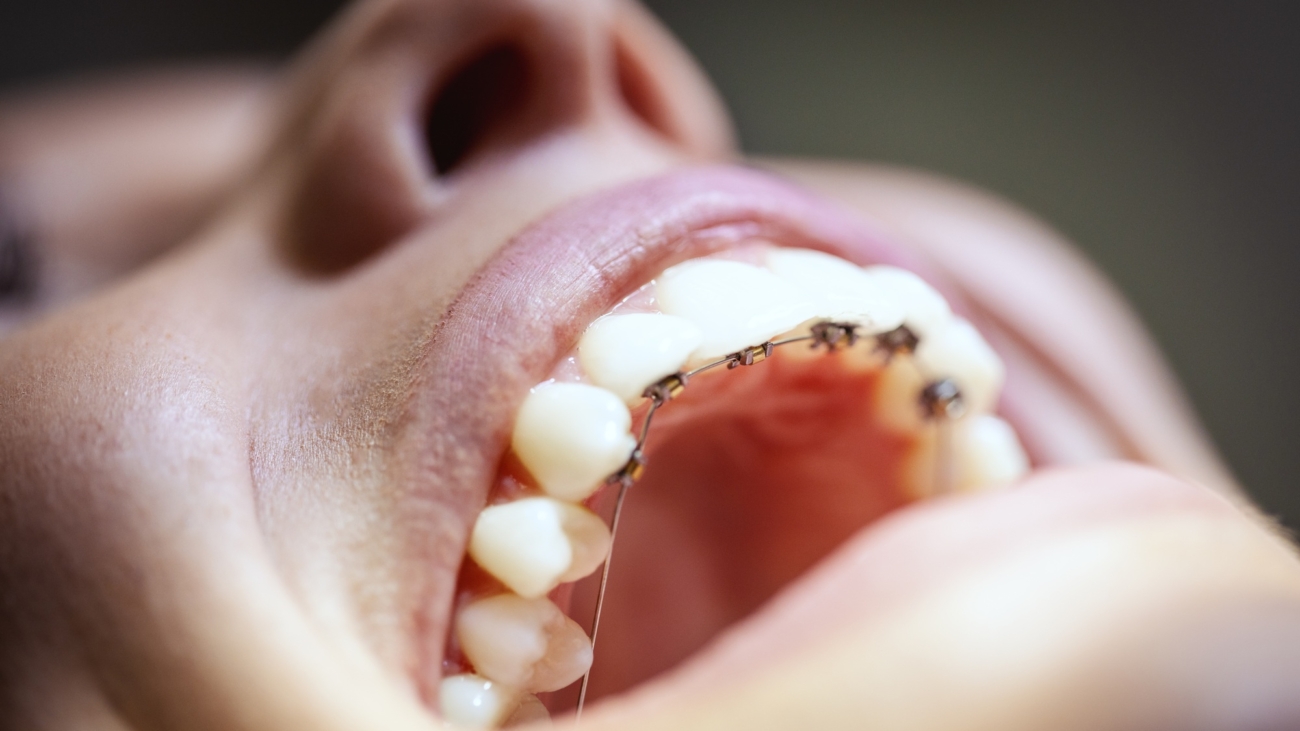
This is by far one of the most prevalent causes of morning tooth pain. Many individuals unknowingly grind or clench their teeth during sleep (sleep bruxism). This puts immense, sustained, and often unconscious pressure on your teeth, jaw muscles, and the delicate temporomandibular joints (TMJs).

  • Why it hurts in the morning: The continuous force exerted throughout the night leads to muscle fatigue and tooth sensitivity or pain that becomes evident upon waking.
  • Other symptoms: You might also notice jaw soreness, persistent headaches (especially tension headaches around the temples), neck pain, flattened or chipped tooth surfaces, or a clicking/popping sound in your jaw.
  • What to do: Your dentist at iMed can diagnose bruxism and often recommend a custom-fitted night guard to protect your teeth from excessive forces. Stress management techniques can also be beneficial, as bruxism is frequently linked to stress and anxiety.

2. Temporomandibular Joint (TMJ) Disorders (TMD)

Problems with your TMJ – the hinge connecting your jaw to your skull – can also manifest as morning tooth pain. The pain from TMD often radiates to your teeth, jaw, face, neck, and sometimes even your ears. Bruxism is a common contributing factor to TMD.

  • Why it hurts in the morning: Similar to bruxism, sustained tension or clenching overnight can strain these vital joints and surrounding muscles, leading to discomfort upon waking.
  • Other symptoms: Jaw stiffness, limited jaw movement, clicking or popping noises when opening or closing your mouth, and headaches.
  • What to do: Treatment options range from night guards and stress reduction to physical therapy for the jaw, and, in some cases, medication or other dental interventions.

3. Sinus Infections or Congestion

Your upper back teeth (molars and premolars) have roots that are situated very close to your maxillary sinuses. When these air-filled cavities become inflamed or congested due to a sinus infection, allergies, or even a common cold, the resulting pressure can be felt as a dull, aching pain in the roots of these teeth.

  • Why it hurts in the morning: Lying down for extended periods can increase sinus pressure, making the referred tooth pain more pronounced when you wake up.
  • Other symptoms: Nasal congestion, facial pressure around your cheeks and forehead, headache, and sometimes a fever or discolored nasal discharge.
  • What to do: If dental issues are ruled out, it’s advisable to consult a doctor for treatment of the underlying sinus condition. As your sinuses clear, the tooth pain should subside.

4. Tooth Decay (Cavities) or Damaged Fillings

An untreated cavity or a filling that has become loose, cracked, or damaged can expose the sensitive inner layers of your tooth (dentin or pulp) to bacteria and pressure changes.

  • Why it hurts in the morning: Changes in blood flow and pressure when lying horizontally can sometimes increase pressure within the tooth, making existing decay or an irritated nerve more painful and noticeable upon waking.
  • Other symptoms: Sharp, localized pain, sensitivity to hot, cold, or sweet foods/drinks, visible holes or dark spots on the tooth, or a persistent dull ache.
  • What to do: This requires prompt dental attention. Your dentist at iMed can assess the tooth and provide the necessary treatment, such as a new filling, crown, or root canal therapy.

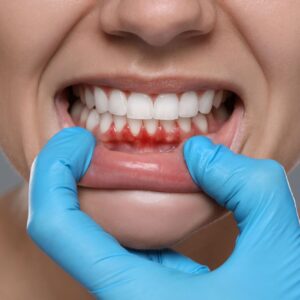
5. Gum Disease (Periodontal Disease)

Inflammation and infection of the gums and the underlying bone that supports your teeth (gum disease) can also lead to tooth pain and sensitivity.

  • Why it hurts in the morning: Inflammation can be more noticeable after a period of rest, and the discomfort can radiate to the teeth. Receding gums exposing sensitive root surfaces can also contribute.
  • Other symptoms: Red, swollen, tender, or bleeding gums; persistent bad breath; receding gums; or even loose teeth.
  • What to do: Gum disease requires professional treatment, which may include deep cleaning (scaling and root planing) to remove tartar and bacteria from below the gum line. Learn more about its signs in our “Understanding Gum Disease: iMed’s Guide for Families” [internal link to “Understanding Gum Disease: iMed’s Guide for Families” blog post].

6. Dental Abscess or Infection

A severe bacterial infection inside the tooth (periapical abscess) or in the gums (periodontal abscess) can cause excruciating, throbbing pain that can be particularly intense in the morning.

  • Why it hurts in the morning: Lying down can increase blood flow and pressure to the infected area, intensifying the pain.
  • Other symptoms: Severe, continuous throbbing pain; noticeable swelling in the face or jaw; fever; pus drainage; extreme sensitivity to hot/cold; or a foul taste in your mouth.
  • What to do: This is a dental emergency. Seek immediate care at iMed Medical Center. Abscesses will not resolve on their own and can lead to serious health complications if left untreated.

7. Other Less Common Causes:

  • Impacted Wisdom Teeth: These can cause pain and inflammation as they attempt to erupt, which might be more noticeable after a night’s rest.
  • Cracked Tooth: A tiny, often invisible, crack in a tooth might only cause pain under specific pressure, which can accumulate overnight from clenching.
  • Dietary Factors: Consuming highly acidic or sugary foods before bed can exacerbate existing tooth sensitivity.
  • Sleeping Position: In rare instances, consistently sleeping in a position that puts direct pressure on your jaw or specific teeth can contribute to discomfort.

When to Seek Professional Help at iMed Medical Center in Pretoria:

If you are consistently waking up with tooth pain, or if the pain is severe, persistent, accompanied by swelling, fever, or difficulty eating or swallowing, it’s crucial to schedule an appointment with your dentist at iMed Medical Center in Pretoria as soon as possible. As your local “Dentist Near You at iMed” [internal link to “Dentist near me iMed” blog post], we are equipped to diagnose and treat the root cause of your discomfort.

Ignoring morning tooth pain is never advisable – it’s your body’s way of telling you that something needs attention. Early diagnosis and timely treatment are key to preventing more serious problems and finding effective relief, ensuring your continued oral health as part of your overall well-being, as highlighted by the benefits of having a family doctor for comprehensive care.

Are you experiencing morning tooth pain? Don’t let discomfort disrupt your day!
Contact iMed Medical Center in Pretoria today to schedule your comprehensive dental examination. Visit our website at https://imedcentre.co.za/

tartar breaking off back of teeth treatment in Pretoria

Tartar Breaking Off Back of Teeth: What It Means for Your Smile at iMed Medical Center in Pretoria

Tartar Breaking Off Back of Teeth: What It Means for Your Smile at iMed Medical Center in Pretoria

tartar breaking off back of teeth treatment in Pretoria
African female dentist treating patient at clinic. Dental clinic concept

Have you ever felt a rough, gritty piece dislodge from one of your back teeth, perhaps while brushing or eating something hard? Noticing “tartar breaking off back of teeth” can be a startling experience. While it might offer a moment of immediate relief, it’s a clear signal that your oral health needs attention. At iMed Medical Center in Pretoria, we often see this, and understanding why it happens and what to do next is crucial for your smile.What Happens to the Gap After Tartar Removal?

Let’s delve into why your back teeth are particularly prone to tartar buildup and what it means when pieces start to break away.

Why Tartar Accumulates on the Back of Your Teeth

The molars and premolars at the back of your mouth are often prime locations for tartar (hardened plaque) accumulation for several reasons:

1. Hard-to-Reach Areas

The very back of your mouth can be challenging to reach effectively with a toothbrush and floss. This makes it easier for plaque to linger and harden into tartar, especially along the gum line and in the crevices of your molars.

2. Salivary Gland Openings

Certain areas, like the inner (lingual) surfaces of your lower front teeth and the outer (buccal) surfaces of your upper molars, are adjacent to salivary gland openings. Saliva contains minerals that contribute to the hardening of plaque into tartar.

3. Chewing Forces and Food Trapping

The constant action of chewing in these areas, combined with the complex surfaces of molars, can contribute to plaque accumulation and its subsequent hardening. Food particles are also more likely to get trapped in the deep grooves of molars.

Tartar Breaking Off Back of Teeth: What It Really Means

When a piece of tartar breaks off, whether spontaneously or during a thorough professional cleaning, you’ll likely notice several immediate changes:

1. Rough or Uneven Feeling

The tooth surface underneath the tartar may feel noticeably rough, gritty, or uneven to your tongue. This is because tartar doesn’t always form smoothly and can leave behind microscopic remnants or expose the naturally irregular tooth surface.

2. Heightened Sensitivity

If the tartar was covering an area of gum recession or exposed root surface (which is common on back teeth), its removal can lead to increased sensitivity to hot, cold, or even air. This happens because the protective layer of tartar is gone, exposing the delicate dentin underneath.

3. Visible Gaps or Discoloration

As we’ve discussed in previous articles, such as “What Happens to the Gap After Tartar Removal?” [internal link to “What happens to the gap after tartar removal?” blog post], tartar can effectively fill in spaces between teeth or mask areas of gum recession. When it breaks off, these pre-existing gaps, often appearing as “black triangles,” become visible. Additionally, the underlying tooth might appear stained or discolored, as tartar itself absorbs stains and can also trap food debris and bacteria against the tooth surface.

4. Immediate, Yet Temporary, Relief

There might be an immediate sensation of relief from the bulky, rough feeling of the tartar piece being gone. However, it’s important to understand that this is rarely a complete solution; it’s a small victory that signals a larger battle needing to be won.

The Importance of Professional Cleaning for Posterior Teeth at iMed

While it might seem convenient when tartar breaks off on its own, it’s rarely a sign that your teeth are now completely clean. Spontaneous breakage:

  • Is Incomplete: It usually means there are still significant deposits of tartar remaining on the tooth, especially below the gum line, where the most damage occurs.
  • Indicates Existing Issues: It suggests that there was substantial tartar buildup in the first place, likely pointing to ongoing plaque control issues or existing gum disease.
  • Can Expose Problems: It uncovers areas that need immediate assessment for sensitivity, decay, or gum damage. If you’ve noticed tartar breaking off back of teeth, professional intervention is critical to prevent long-term gum damage.

At iMed Medical Center in Pretoria, our dental professionals have the specialized tools, techniques, and expertise to:

  • Reach All Areas: We can effectively reach and meticulously clean the challenging surfaces of your back teeth, ensuring all tartar is removed, even from deep pockets.
  • Thoroughly Polish and Smooth: We polish tooth surfaces to make it harder for plaque to adhere again, reducing future buildup.
  • Assess and Address Underlying Problems: We’ll examine the areas where tartar broke off for any signs of cavities, gum inflammation, bone loss, or sensitivity, and provide appropriate treatment.

Maintaining a Clean Back-of-Teeth Smile in Pretoria

Preventing tartar buildup, especially on your hard-to-reach back teeth, is key. Here’s how you can help:

  • Master Your Brushing Technique: Angle your toothbrush bristles towards the gum line at a 45-degree angle, especially when reaching your molars. Ensure you’re brushing all surfaces. Our “10 Ways to Take Care of Your Teeth” [internal link to “10 ways to take care of your teeth” blog post] can guide you.
  • Don’t Skip Flossing: Flossing is crucial for removing plaque and food particles from between teeth and below the gum line, areas your toothbrush can’t reach. Consider interdental brushes or a water flosser for added effectiveness, particularly for back teeth.
  • Regular Dental Check-ups: These are your best defense! Regular professional cleanings at iMed allow us to remove tartar before it causes significant damage, helping to prevent issues like gum disease and tooth loss. This also addresses the concern of “Can teeth fall out if tartar is removed?”.Preventing tartar breaking off back of teeth starts with consistent oral hygiene and regular dental cleanings.

Your Partner in Oral Health at iMed Medical Center

Noticing tartar breaking off from your back teeth is a clear indicator that it’s time for a professional dental assessment. Don’t try to scrape off remaining tartar yourself, as this can cause damage to your enamel and gums.

Book your appointment today and take control before tartar breaking off back of teeth leads to more serious dental issues.

Learn more from the American Dental Association’s guide to tartar.


At iMed Medical Center in Pretoria, our dedicated team is ready to provide the thorough cleaning and comprehensive care your back teeth—and your entire smile—deserve. We’ll help you understand your oral health status and guide you towards maintaining a clean, healthy, and comfortable mouth.If you’ve experienced tartar breaking off the back of your teeth, it’s time to visit iMed Medical Center for expert cleaning and care

Have you noticed tartar breaking off your back teeth? Don’t wait!

Call to Action:

Schedule your comprehensive dental cleaning or consultation at iMed Medical Center in Pretoria today. Visit our website at https://imedcentre.co.za/ or call us at [Phone Number]. Let us help you ensure your entire smile is healthy.
Gap after tartar removal

Gap after tartar removal

What Happens to the Gap after tartar removal?

It can be surprising, and even a little concerning, to look in the mirror after a thorough dental cleaning, especially a deep cleaning (scaling and root planing), and notice new or more prominent gaps between your teeth. Many patients visiting iMed Medical Center in Pretoria ask us about this very phenomenon. The good news? These gaps are usually a positive sign of healing and effective treatment, not a cause for alarm. Let’s explore why these spaces appear and what you can expect as your gums heal.

The Hidden Truth: Those Gaps Were Likely Already There

When significant amounts of plaque and hardened tartar (calculus) accumulate around your teeth, particularly in cases of gum disease, they don’t just sit on the tooth surface. They can also fill the natural spaces between your teeth, or the areas where gum tissue has already receded or pulled away due to chronic infection.

Think of it like this: the tartar was essentially acting as a “filler” or “wedge,” masking the true anatomy of your teeth and the condition of your gums. When our skilled dental professionals at iMed meticulously remove this buildup, those pre-existing spaces are simply uncovered and become visible for the first time. The cleaning process doesn’t create the gaps; it reveals them.

What Happens During Gum Healing After Deep Cleaning?

After scaling and root planing, your gums begin a vital healing process. This process is what often makes those “gaps” more noticeable.

1. Reduced Inflammation and Swelling

Gum disease causes inflammation, making your gums swollen, puffy, and sometimes red or bleeding. This swelling can mask the true gum line and fill in spaces between teeth. Once the irritating tartar and bacteria are removed, the inflammation subsides. As your gums become less swollen and shrink back to their healthier, original size, the previously hidden spaces between your teeth and at the gum line become apparent.

2. Gum Reattachment

The goal of a deep cleaning is to allow your gums to heal and reattach more firmly to the cleaned root surfaces of your teeth. As this reattachment occurs, especially if periodontal pockets were present, the gums will tighten around your teeth. This healing might also subtly alter the contour of your gums, further revealing underlying anatomy.

3. Appearance of “Black Triangles”

For many individuals, particularly those with a history of gum disease and some bone loss, the most noticeable spaces are small, triangular gaps at the gumline between teeth. These are often called “black triangles” because the natural pink gum tissue no longer fills the entire space. While a little disheartening to see, their appearance indicates that the infection has been cleared, and your gums are no longer swollen or diseased, which is a significant health improvement.

Are These Gaps Permanent?

The permanence of these gaps can vary:

  • Initial Healing: In the weeks following the cleaning, as the gums continue to heal and reattach, some minor shrinkage of the visible gaps may occur. The gums will become firmer and healthier.
  • Persistent Gaps: However, if significant bone loss or severe gum recession occurred due to long-standing gum disease, the “black triangles” or larger gaps might be permanent. This is because lost gum tissue and bone do not grow back naturally on their own. As we discussed in “Do Gums Grow Back After Tartar Removal?” [internal link to “Do Gums Grow Back After Tartar Removal?” blog post], regeneration isn’t spontaneous. The good news is that the cleaning has stopped the destructive process, preventing further progression of these gaps.


Solutions and Management for Post-Cleaning Gaps at iMed

Noticing gaps is a sign that your gums are on the path to recovery from disease, but it’s natural to be concerned about aesthetics or new areas where food can get stuck. At iMed Medical Center in Pretoria, we offer guidance and solutions:

1. Continued Excellent Oral Hygiene

This is paramount! Focus on gentle, thorough brushing with a soft-bristled brush, especially around the gum line. Flossing is crucial, as is using interdental brushes or water flossers if recommended, to clean the newly visible spaces effectively. Regular and proper care is a cornerstone of the 10 ways to take care of your teeth.

2. Addressing Sensitivity

Exposed root surfaces can be sensitive. Your dentist might recommend desensitizing toothpaste, fluoride applications, or dental bonding to cover these areas.

3. Cosmetic Solutions (for Persistent Gaps)


If the gaps are a significant aesthetic concern, once your gums are stable and healthy, our iMed dental team can discuss options such as:

  • Dental Bonding: Tooth-colored resin can be artfully applied to fill small black triangles.
  • Veneers or Crowns: For more extensive changes, these can reshape teeth and close gaps.
  • Orthodontics: In some cases, orthodontics (braces or clear aligners) can gently move teeth to close spaces or improve gum contour.

4. Periodontal Maintenance and Follow-ups

Regular follow-up appointments at iMed are critical after a deep cleaning. These “periodontal maintenance” cleanings are tailored to your needs, helping us monitor your gum health, prevent new tartar buildup, and ensure long-term stability for your smile. This integrated care approach, often coordinated with your family doctor at iMed, highlights the benefits of having a family doctor for your overall well-being.

Your Partner in Oral Health in Pretoria

Noticing gaps after tartar removal can be a disconcerting experience, but it’s an indicator that your gum disease has been addressed and your gums are healing. At iMed Medical Center in Pretoria, we are dedicated to supporting your oral health journey every step of the way. We’ll explain what to expect, help you manage any post-treatment effects, and guide you toward solutions for a healthy, confident smile.

Have questions about your gum health or gaps after cleaning?

Call to Action:


Schedule a consultation or your next dental cleaning at iMed Medical Center in Pretoria today. Visit our website at https://imedcentre.co.za/ or call us at [Phone Number]. Let’s ensure your smile is as healthy as it can be.

Gap after tartar removal

Do gums grow back after tartar removal?

Do Gums Grow Back After Tartar Removal? Understanding Gum Recession and Your Options at iMed Medical Center in Pretoria

Do gums grow back after tartar removal – iMed Medical Center dental guide

It’s a question many patients ask when dealing with gum inflammation or receding gum lines: “Do gums grow back after tartar removal?” It’s a hopeful thought, as healthy gums are fundamental to a healthy smile. At iMed Medical Center in Pretoria, we believe in providing clear, accurate information to empower you about your oral health. While regular cleanings are vital, the answer to whether gums naturally regenerate is a bit more nuanced.

Let’s delve into the role of tartar, the impact of gum disease, and what truly happens to your gum tissue.

What is Tartar (Calculus) and Why is its Removal Critical?

Before addressing gum regrowth, it’s essential to understand tartar. Tartar, or calculus, is hardened dental plaque – a sticky film of bacteria, food particles, and saliva that constantly forms on your teeth. If plaque isn’t removed daily through brushing and flossing, it mineralizes and hardens into tartar.

Why Tartar Removal (Scaling and Root Planing) is So Important:

  • Irritation and Inflammation: Tartar creates a rough surface that attracts more plaque and irritates the gum tissue, leading to inflammation (gingivitis).
  • Gum Disease Progression: If left unchecked, this inflammation can progress to periodontitis, a more severe form of gum disease where the gums pull away from the teeth, forming pockets that become infected. This leads to the destruction of the bone and tissues supporting your teeth.
  • Deep Cleaning (Scaling and Root Planing): This professional procedure meticulously removes plaque and tartar from above and below the gum line. This cleaning is crucial because it eliminates the source of infection and inflammation, allowing your gum tissue to heal and reattach more firmly to your tooth roots. After tartar is professionally removed, some wonder, do gums grow back after tartar removal, or is further treatment needed?

The Truth About Gum Regrowth: Why They Don’t Grow Back Naturally

So, do gums grow back after tartar removal? Unfortunately, no, gum tissue that has been lost due to recession or the destruction caused by periodontitis does not regenerate naturally on its own.

When swelling from inflammation subsides after a deep cleaning, your gums might appear healthier and tighter around your teeth. This often gives the impression of regrowth, but it’s actually existing gum tissue healing and re-establishing its connection, along with a reduction in the previous swelling. The actual physical tissue that has receded or been lost due to disease won’t spontaneously return.

The same principle applies to the bone that supports your teeth; once it’s lost due to advanced gum disease, it typically doesn’t grow back naturally without intervention.

Options for Addressing Receding Gums at iMed Medical Center in Pretoria

While your gums won’t grow back on their own, there are effective dental procedures available at iMed Medical Center to address significant gum recession, protecting your teeth and improving your smile:

1. Gum Grafting Surgery

This is the most common and predictable solution for moderate to severe gum recession. A periodontist (gum specialist) can take a small amount of healthy gum tissue from another area of your mouth (often the roof) or use a sterilized donor tissue. This tissue is then carefully attached to the area where the gum has receded, covering the exposed tooth roots. This procedure helps:

  • Reduce tooth sensitivity.
  • Prevent further recession and root decay.
  • Improve the aesthetics of your smile.

2. Regenerative Procedures

In cases where gum disease has led to significant bone loss around the teeth, regenerative procedures might be recommended. Techniques like Guided Tissue Regeneration (GTR) involve placing a special membrane over the bone defect to encourage the natural growth of bone and gum tissue.

3. Other Approaches (e.g., Pinhole Surgical Technique, Bonding)

  • Pinhole Surgical Technique (PST): A less invasive alternative for certain types of recession, involving a small pinhole in the gum through which instruments gently move existing gum tissue to cover the exposed root.
  • Dental Bonding: For very minor recession, your dentist might use tooth-colored composite resin to cover the exposed root surface, which can help with sensitivity and improve the tooth’s appearance cosmetically.

Prevention is Key: Protecting Your Gums in Pretoria

The best way to address gum recession is to prevent it in the first place or to catch it early. Here are crucial steps you can take for healthy gums:

  • Practice Excellent Oral Hygiene: Brush your teeth twice a day with a soft-bristled toothbrush, using gentle, circular motions. Floss daily to remove plaque from between your teeth and along the gum line. For more tips, revisit our 10 ways to take care of your teeth guide.
  • Regular Dental Check-ups and Cleanings: These are vital! Professional cleanings remove tartar buildup, and our dentists can detect early signs of gum problems before they become severe. This is why family dental checkups are so important for comprehensive health.
  • Avoid Aggressive Brushing: Brushing too hard can actually cause gum recession over time.
  • Quit Tobacco Products: Smoking and chewing tobacco are major risk factors for severe gum disease.
  • Manage Systemic Health Conditions: Conditions like diabetes can impact gum health. Our integrated approach at iMed, benefiting from the benefits of having a family doctor, ensures comprehensive care.

Your Partner in Gum Health: iMed Medical Center in Pretoria

While gums do not naturally grow back after tartar removal, advanced treatments and diligent preventative care can help manage recession and maintain your oral health. If you are concerned about your gums or suspect recession, don’t hesitate to seek professional advice.

At iMed Medical Center in Pretoria, our experienced dental team is here to assess your gum health, answer your questions, and provide personalized treatment plans. We are committed to helping you achieve and maintain a healthy, beautiful smile for life.

Ready to take control of your gum health? If you’re still asking yourself ‘do gums grow back after tartar removal,’ our expert dental team at iMed Medical Center is ready to provide answers and guidance.

Contact Us

Contact iMed Medical Center in Pretoria today to schedule a comprehensive dental consultation. Visit our website at https://imedcentre.co.za/ Let us help you protect your gums and preserve your smile.
tartar breaking off back of teeth treatment in Pretoria

Searching for Laser dentistry near me in Pretoria?

Laser dentistry near You: Advanced, Comfortable Care at iMed Medical Center in Pretoria

African american female dentist treating patient at clinic. Dental clinic concept

When you’re searching for “laser dentistry near me,” you’re likely seeking the most advanced, comfortable, and efficient dental treatments available. Modern dentistry has evolved significantly, and at the forefront of this evolution is laser technology. At iMed Medical Center in Pretoria, we are proud to offer state-of-the-art laser dentistry, providing our community with minimally invasive solutions for a wide range of dental concerns.

If you’re looking for a cutting-edge approach to your dental health right here in Pretoria, let us explain the benefits and applications of laser dentistry.

What is Laser Dentistry? The Future of Dental Care

Laser dentistry involves the use of highly focused light beams to perform various dental procedures. Unlike traditional drills or scalpels, dental lasers offer incredible precision, often leading to a more comfortable and faster experience for the patient.

Key Benefits of Laser Dentistry:

  • Minimally Invasive: Lasers often allow for less drilling and less removal of healthy tooth structure.
  • Reduced Pain and Discomfort: Many laser procedures require little to no anesthesia, as the laser can seal nerve endings.
  • Less Bleeding and Swelling: Lasers can cauterize as they cut, minimizing blood loss and post-operative swelling.
  • Faster Healing Times: The precision and reduced trauma often lead to quicker recovery.
  • Reduced Risk of Infection: The high-energy light sterilizes the area, lowering the chance of bacterial infection.
  • Quieter and More Relaxing: No dreaded drill sounds!

Common Applications of Laser Dentistry at iMed Medical Center

At iMed Medical Center in Pretoria, our trained dental professionals utilize laser technology for a variety of procedures, enhancing patient comfort and treatment efficacy:

1. Precision Cavity Treatment

Dental lasers can precisely remove decay from a tooth, often without the need for a drill or local anesthetic. This is ideal for small to medium-sized cavities and is a far more comfortable experience for many patients.

2. Advanced Gum Disease Treatment

Lasers are incredibly effective for treating gum (periodontal) disease. They can precisely remove infected gum tissue and bacteria from periodontal pockets, promoting faster healing and regeneration. This modern approach complements our comprehensive understanding of gum disease management and is a key part of our commitment to your oral health.

3. Gum Reshaping and Aesthetic Procedures

For those concerned about a “gummy smile,” lasers can precisely reshape gum tissue, revealing more of the tooth structure for a more balanced and aesthetic smile. Lasers can also be used for the gentle removal of soft tissue folds or lesions in the mouth.

4. Teeth Whitening Acceleration

Certain dental lasers can accelerate the chemical reaction of teeth whitening solutions, providing faster and more dramatic whitening results in a single visit compared to traditional methods.

5. Managing Oral Lesions and Cold Sores

Lasers can quickly and effectively treat painful canker sores and cold sores, often providing immediate pain relief and promoting faster healing by reducing viral load.

Why Choose iMed Medical Center for Laser Dentistry Near You in Pretoria?

When you search for “laser dentistry near me,” you’re seeking not just the technology, but also the expertise and patient-centred care to go with it.

  • Experienced Professionals: Our dentists are highly trained in the safe and effective use of dental lasers, ensuring optimal outcomes.
  • State-of-the-Art Technology: We invest in the latest dental laser equipment to provide you with the best possible treatment options.
  • Patient-Centred Comfort: We prioritize your comfort and strive to make every visit as stress-free as possible, especially benefiting those with dental anxiety.
  • Integrated Care Model: As a multi-disciplinary medical center, your dental care at iMed is seamlessly integrated with your overall health. This aligns with the benefits of having a family doctor who can coordinate all aspects of your well-being.
  • Your Local Pretoria Choice: We are conveniently located in Pretoria, making advanced dental care accessible to you and your family. We are committed to helping our local community maintain healthy smiles, complementing the general guidance found in our 10 ways to take care of your teeth article.

Experience the Future of Dentistry at iMed Medical Center

Laser dentistry offers a more precise, comfortable, and often faster alternative to many traditional dental procedures. If you’re curious about how laser dentistry can benefit your oral health, or if you’re experiencing dental discomfort and seeking advanced solutions, we invite you to consult with our team.

Are you ready to explore the advantages of laser dentistry near you in Pretoria?

Contact Us

Contact iMed Medical Center today to schedule a consultation for laser dentistry. Visit our website at https://imedcentre.co.za/ Let us help you achieve a healthier, more comfortable smile with cutting-edge dental technology.


Dentist near me

Searching for a Dentist near me in Pretoria?

Searching for a Dentist near me in Pretoria?

Common eye problems with age

When you’re experiencing a toothache, need a routine check-up, or are looking for long-term dental care for your family, the first thought often is: “Dentist near me?” Finding a reliable, accessible, and trustworthy dental practice close to home is paramount. At iMed Medical Center in Pretoria, we understand this need perfectly, offering exceptional dental services right in your community, ensuring quality care is always within reach.

We aim to be more than just a dental clinic; we are your local health partner, providing integrated medical solutions that prioritize your convenience and well-being.

Why Choose a “Dentist Near Me” Like iMed Medical Center in Pretoria?

The search for a “Dentist near me” isn’t just about geographical proximity; it’s about finding a practice that offers convenience, trust, and comprehensive care. Here’s why choosing your local iMed dentist in Pretoria is a smart decision:

1. Unmatched Convenience and Accessibility in Pretoria

Having a dentist close to your home or work in Pretoria significantly simplifies dental care.

  • Reduced Travel Time: Less time spent commuting means more time for your busy schedule.
  • Easy Emergency Access: In dental emergencies, every minute counts. A local dentist can offer quicker response times.
  • Familiarity: Being familiar with your local area in Pretoria can make visits less stressful.

2. Integrated Healthcare Under One Roof

One of the stand-out benefits of having a family doctor at iMed [internal link to “The Benefits of Having a Family Doctor at iMed” blog post] extends directly to your dental health. Our unique model allows for seamless coordination between your dental and medical teams. This means:

  • Holistic View of Your Health: Your dentist and doctor can easily share relevant health information (with your consent), leading to better-informed diagnoses and treatment plans.
  • Streamlined Referrals: If your dental condition is linked to a systemic health issue (like diabetes or heart disease, as discussed in “Can gum disease make you sick?” [internal link to “Can gum disease make you sick?” blog post]), coordination is effortless.
  • Comprehensive Family Care: Your entire family’s dental, medical, and optical needs can often be met at a single, trusted location in Pretoria.

3. Building Trust and Lasting Relationships in Your Community

When you search for a “Dentist near me iMed,” you’re looking for more than just a service provider; you’re looking for a healthcare partner. Our iMed dentists are committed to building long-term relationships with our patients in Pretoria. We get to know your oral health history, your concerns, and your comfort levels, fostering an environment of trust and open communication.

What Dental Services Can You Expect from Your Local iMed Dentist in Pretoria?

Our iMed dental services Pretoria are designed to cover all aspects of your family’s oral health. Whether you need routine preventative care or more advanced treatments, our experienced team is equipped to help.

  • Routine Check-ups and Cleanings: Essential for preventing cavities and gum disease. Our professional cleanings remove plaque and tartar buildup that at-home brushing and flossing can miss. This is a core part of the 10 ways to take care of your teeth.
  • Preventative Dentistry: Including fluoride treatments, sealants, and personalized oral hygiene education to keep your teeth strong and healthy.
  • Restorative Dentistry: Expert fillings for cavities, crowns, bridges, and root canal treatments to restore damaged teeth.
  • Gum Disease Management: From early diagnosis of gingivitis to advanced management of periodontitis. Understanding and treating gum disease is vital, as discussed in our “Understanding Gum Disease: iMed’s Guide for Families”.
  • Paediatric Dentistry: Gentle and effective dental care for children, focusing on establishing good oral habits from a young age. This aligns with the importance of family dental checkups.
  • Emergency Dental Care: Prompt attention for sudden toothaches, broken teeth, or other dental emergencies.

Beyond Just Location: The iMed Dental Advantage in Pretoria

While being a convenient “Dentist near me” is a significant advantage, iMed Medical Center offers a unique value proposition. Our commitment to high-quality, patient-centered care is paramount. We utilize modern technology and adhere to best practices to ensure comfortable and effective treatments. Our compassionate team understands dental anxiety and strives to create a welcoming and reassuring environment for every patient in Pretoria.

Choosing iMed means choosing a dental team that is not only conveniently located but also deeply invested in your long-term oral and overall health.

Are you looking for a trusted “Dentist near me iMed” in Pretoria? Your search ends here.

Contact Us

Experience the convenience and comprehensive care of your local iMed Medical Center dentist in Pretoria. Schedule your appointment today! Visit our website at https://imedcentre.co.za/ or call us at [Phone Number]. We look forward to welcoming you and your family to our practice.

Benefits of Having a Family Doctor

Benefits of Having a Family Doctor

The Benefits of Having a Family Doctor at iMed Medical Center

Can gum disease make you sick

In today’s complex healthcare landscape, navigating appointments, specialists, and medical records can feel overwhelming. This is precisely why understanding the profound benefits of having a family doctor – a dedicated general practitioner – is more important than ever. At iMed Medical Center in Pretoria, our family doctors are the cornerstone of comprehensive, personalized care for individuals and families alike, serving as your primary point of contact for all health needs.

Choosing a family doctor at iMed isn’t just about convenience; it’s about building a lasting relationship that supports your family’s health journey through every stage of life.

Why Experience the Benefits of Having a Family Doctor?

A family doctor is not just a general practitioner; they are a specialist in comprehensive care for people of all ages, from infants to seniors. They are trained to understand the full spectrum of health and disease, integrating physical, psychological, and social factors into your care. Here’s a closer look at the key benefits of having a family doctor at iMed:

1. Holistic and Comprehensive Care

One of the primary benefits of having a family doctor is their ability to provide holistic care. They don’t just treat symptoms; they look at the whole person, considering your medical history, lifestyle, emotional well-being, and even family dynamics. They offer a wide range of services, including:

  • Preventative care and health screenings
  • Diagnosis and treatment of acute illnesses (like the 5 common childhood illnesses [internal link to “5 Common Childhood Illnesses” blog post])
  • Management of chronic conditions (e.g., diabetes, hypertension)
  • Routine physicals and check-ups (such as regular check-ups for your family’s health [internal link to “The Importance of Regular Check-ups for Your Family’s Health” blog post])
  • Minor procedures
  • Vaccinations and immunizations

2. Continuity of Care

Regular Check-ups for Your Family's Health

Having a consistent family doctor means they get to know you and your family over time. They are familiar with your medical history, your family’s health trends, and even your personal preferences. This continuity ensures that your care is coordinated, consistent, and tailored to your evolving needs, leading to better health outcomes and a more seamless healthcare experience. You won’t have to explain your entire history at every visit.

3. Early Detection and Prevention

Family doctors are experts in preventative medicine. Through regular check-ups and screenings, they can identify potential health risks early, before they become serious problems. They monitor your health trends, recommend appropriate vaccinations, and offer lifestyle counseling, empowering you to take proactive steps to maintain your well-being. This proactive approach can significantly reduce the risk of future illnesses.

4. Coordinated Care and Referrals

When you need to see a specialist, your family doctor acts as your primary point of contact and care coordinator. They understand your complete medical history and can make informed referrals to the most appropriate specialists within or outside the iMed Medical Center network. This ensures that your care is integrated and that all specialists are working together for your benefit.

5. Personalized and Trusting Relationship

Over time, you build a strong, trusting relationship with your family doctor. This personal connection encourages open communication, allowing you to feel comfortable discussing sensitive health concerns. Your doctor becomes a trusted advisor who understands your unique health goals and challenges, providing a level of care that goes beyond just medical treatment.

6. Chronic Disease Management

For family members living with chronic conditions like diabetes, asthma, or hypertension, a family doctor is invaluable. They provide ongoing management, monitor your condition, adjust medications as needed, and help you understand how to manage your illness effectively in your daily life, ensuring stable health and preventing complications.

7. Cost-Effectiveness

Regular visits to a family doctor for preventative care can actually save you money in the long run. By catching problems early and managing chronic conditions effectively, you can avoid costly emergency room visits, specialist fees for advanced diseases, and hospitalizations. Preventative care is often more affordable than reactive treatment.

8. Convenience for the Whole Family

At iMed Medical Center, having a family doctor means that every member of your household can receive care under one roof, often from the same doctor or a closely collaborating team. This simplifies scheduling and centralizes medical records, making healthcare management much more convenient for busy families. This extends to things like family dental checkups [internal link to “Family Dental Checkups: 10 Essential Benefits” blog post] and eye care, streamlining your family’s health management.

9. Health Education and Guidance

Your family doctor is a reliable source of health information and advice. They can answer your questions, dispel myths, and provide guidance on healthy lifestyle choices, nutrition, exercise, and managing stress. They empower you to make informed decisions about your and your family’s health.

10. Advocacy for Your Health

In a complex healthcare system, your family doctor acts as your advocate. They ensure you receive the care you need, help you understand your options, and support you in navigating the healthcare journey, whether it’s understanding a diagnosis or finding the right resources.

Experience the iMed Difference: Your Family’s Health Partner

The benefits of having a family doctor are clear: it’s about receiving personalized, continuous, and comprehensive care that truly puts your family’s health first. At iMed Medical Center in Pretoria, our compassionate team of family doctors is ready to build that lasting relationship with you and your loved ones. We are committed to being your central point of care, integrating all aspects of your health under one trusted roof.

Invest in the health of your family today by choosing an iMed family doctor.

Contact Us

Ready to experience the immense benefits of having a family doctor? Contact iMed Medical Center in Pretoria today to schedule an appointment or learn more about our family medicine services. Visit our website at https://imedcentre.co.za/ .We look forward to partnering with your family for a healthier future.
5 Common Childhood Illnesses

5 Common Childhood Illnesses

5 Common Childhood Illnesses: A Parent’s Guide from iMed Medical Center

Being a parent means navigating the inevitable bumps and sniffles of childhood. While no one wants their child to be sick, understanding 5 common childhood illnesses can empower you to recognize symptoms, provide appropriate care, and know when to seek professional medical attention. At iMed Medical Center in Pretoria, we are dedicated to supporting families through every stage of their child’s health journey, providing expert pediatric care and compassionate guidance.

This guide will walk you through some of the most frequent ailments that affect children, helping you feel more confident when your little ones aren’t feeling their best.

Why Understanding Common Childhood Illnesses Matters

Knowing about 5 common childhood illnesses helps parents stay calm and act effectively when their child falls ill. Early recognition of symptoms can lead to quicker relief, prevent complications, and ensure your child receives the right care at the right time. It also equips you to provide the best possible comfort and support to your child during their recovery.

The Top 5 Common Childhood Illnesses

Here are five of the most frequently encountered illnesses in children:

1. The Common Cold

The common cold is a viral infection of the nose and throat, caused by hundreds of different viruses. It’s incredibly common in children, especially those attending daycare or school, as viruses spread easily.

Symptoms:

  • Runny or stuffy nose (clear, then thicker and often yellowish or greenish)
  • Sore throat
  • Cough
  • Sneezing
  • Mild fever (more common in younger children)
  • Headache
  • Mild body aches

Management: There’s no cure for the common cold, but symptoms can be managed.

  • Rest: Encourage plenty of rest.
  • Fluids: Offer lots of fluids to prevent dehydration.
  • Symptom Relief: Over-the-counter pain relievers and fever reducers (like paracetamol or ibuprofen, dosed correctly for age and weight) can help. Saline nasal drops/spray can ease congestion.
  • When to seek help: If symptoms worsen, a high fever develops, breathing becomes difficult, or the child seems unusually lethargic.

2. Influenza (The Flu)

Influenza is a viral infection that attacks the respiratory system (nose, throat, and lungs). It’s more serious than the common cold and can lead to severe complications, especially in young children.

Symptoms:

  • Sudden onset of fever (often high)
  • Body aches and muscle pain
  • Chills
  • Fatigue
  • Cough (often dry)
  • Sore throat
  • Headache
  • Sometimes vomiting and diarrhea (more common in children than adults)

Management:

  • Rest and Fluids: Crucial for recovery.
  • Antiviral Medication: May be prescribed by a doctor if caught early (within 48 hours of symptom onset) to shorten the duration and severity of the illness.
  • Vaccination: The annual flu vaccine is the best way to prevent the flu and its complications. iMed Medical Center encourages vaccinations [internal link to a vaccination-related blog post or general medical services page, if applicable] as a key part of preventative care for your family.
  • When to seek help: Immediately if your child has difficulty breathing, bluish lips, severe dehydration, extreme irritability, or seizures.

3. Hand, Foot, and Mouth Disease (HFMD)

HFMD is a common, contagious viral infection that typically affects infants and children under 5 years old. It’s characterized by sores in the mouth and a rash on the hands and feet.

Symptoms:

  • Fever
  • Sore throat
  • Loss of appetite
  • Painful, red, blister-like lesions on the tongue, gums, and inside of the cheeks
  • A red rash, sometimes with blistering, on the palms of the hands and soles of the feet. It can also appear on the buttocks.

Management: There is no specific treatment for HFMD. Care focuses on symptom relief.

  • Pain Relief: Over-the-counter pain relievers (paracetamol, ibuprofen) to manage fever and discomfort from mouth sores.
  • Fluids: Ensure adequate hydration, especially with cold liquids or soft foods, due to painful mouth sores. Avoid acidic or spicy foods.
  • Hygiene: Good hand hygiene is essential to prevent spread.
  • When to seek help: If your child has a high fever, signs of dehydration, or severe mouth pain preventing them from drinking.

4. Ear Infections (Otitis Media)

Ear infections are very common in infants and young children, often occurring after a cold or flu. They happen when bacteria or viruses infect the middle ear, leading to inflammation and fluid buildup behind the eardrum.

Symptoms:

  • Ear pain (tugging or pulling at the ear in infants)
  • Fever
  • Irritability
  • Difficulty sleeping
  • Fluid draining from the ear (sign of a ruptured eardrum)
  • Temporary hearing loss

Management:

  • Pain Relief: Over-the-counter pain relievers can manage discomfort and fever.
  • Observation: In some cases, especially for older children, doctors may recommend a “wait-and-see” approach as many ear infections clear on their own.
  • Antibiotics: May be prescribed by a doctor if the infection is bacterial or severe.
  • When to seek help: If symptoms don’t improve after a few days, severe pain is present, or fluid is draining from the ear.

5. Gastroenteritis (Stomach Flu)

Gastroenteritis, commonly known as the “stomach flu,” is an inflammation of the stomach and intestines, usually caused by a viral infection (though bacteria can also be responsible). It leads to vomiting and diarrhea.

Symptoms:

  • Nausea and vomiting
  • Diarrhea (often watery)
  • Abdominal cramps and pain
  • Mild fever
  • Headache
  • Body aches

Management: The biggest concern with gastroenteritis is dehydration.

  • Rehydration: Offer small, frequent sips of oral rehydration solutions (ORS) or clear fluids. Avoid sugary drinks.
  • Rest: Allow the child to rest as much as possible.
  • Gradual Diet: Once vomiting subsides, gradually reintroduce bland foods (e.g., toast, bananas, rice, applesauce).
  • When to seek help: If there are signs of severe dehydration (no tears, dry mouth, infrequent urination, lethargy), persistent vomiting, bloody diarrhea, or a very high fever. Our pediatric services at iMed Medical Center are equipped to handle such concerns [internal link to pediatric services or general family medicine page, if available].

iMed Medical Center: Your Partner in Children’s Health

Navigating 5 common childhood illnesses can be challenging for any parent, but you don’t have to do it alone. At iMed Medical Center in Pretoria, our compassionate and experienced doctors are here to provide expert pediatric care, diagnose illnesses, and offer guidance on management and prevention. We believe that regular check-ups for your family’s health [internal link to “The Importance of Regular Check-ups for Your Family’s Health” blog post] are essential for catching issues early and promoting overall wellness.

We are committed to being your reliable family’s health partner in offering comprehensive medical solutions under one roof. When your child is unwell, trust the team at iMed to provide the care and reassurance you need.

Contact Us

Concerned about your child’s health? Schedule a consultation with our friendly team at iMed Medical Center today! Visit our website at https://imedcentre.co.za/

10 ways to take care of your teeth

10 ways to take care of your teeth

10 Ways to Take Care of Your Teeth for a Lifetime of Healthy Smiles

10 ways to take care of your teeth

A brilliant smile isn’t just about aesthetics; it’s a window into your overall health. Taking care of your teeth is crucial for preventing cavities, gum disease, and even systemic health issues. While daily brushing is a good start, true oral hygiene is a comprehensive effort. At iMed Medical Center in Pretoria, we believe in empowering our community with the knowledge and tools to maintain optimal dental health.

So, beyond the basics, what are the most effective 10 ways to take care of your teeth and ensure your smile lasts a lifetime? Let’s dive in!

Essential Strategies: The 10 Ways to Take Care of Your Teeth

Implementing these habits into your daily routine can make a significant difference in your oral well-being and reduce your risk of common dental problems.

1. Brush Your Teeth Twice a Day, Every Day

This is the golden rule for a reason. Brushing effectively removes plaque, a sticky film of bacteria that leads to cavities and gum disease. Use a soft-bristled brush and fluoride toothpaste.

  • How to do it: Brush for at least two minutes, covering all surfaces of your teeth – outer, inner, and chewing surfaces. Don’t forget your tongue to remove bacteria and freshen breath.
  • iMed Tip: Consider an electric toothbrush for more effective plaque removal. Replace your toothbrush every 3-4 months, or sooner if the bristles are frayed.

2. Don’t Forget to Floss Daily

Brushing alone only cleans about 60% of your tooth surfaces. Flossing is essential for removing food particles and plaque from between your teeth and under the gumline, areas your toothbrush can’t reach.

  • How to do it: Use about 18 inches of floss, winding most around your middle fingers. Guide the floss between your teeth, curving it against each tooth in a “C” shape, and gently slide it up and down.
  • iMed Tip: If traditional floss is challenging, try interdental brushes or a water flosser.

3. Use Fluoride Toothpaste

Fluoride is a natural mineral that strengthens tooth enamel, making it more resistant to acid attacks from bacteria and sugars. It’s a key ingredient in preventing cavities.

  • How to do it: Ensure your toothpaste contains fluoride. For children, use a small, pea-sized amount to prevent accidental swallowing.
  • iMed Tip: Your dentist might recommend a fluoride mouthwash or professional fluoride treatments if you’re at high risk for cavities.

4. Limit Sugary and Acidic Foods & Drinks

Sugars feed the harmful bacteria in your mouth, leading to acid production that erodes tooth enamel. Acidic foods and drinks (like sodas, citrus, sports drinks) directly attack enamel.

  • How to do it: Reduce consumption of sugary snacks, candies, sodas, and fruit juices. If you do consume them, try to do so with meals to minimize acid exposure, and rinse your mouth with water afterward.
  • iMed Tip: Opt for water over sugary beverages. If you crave something sweet, fresh fruits are a healthier choice.

5. Eat a Tooth-Friendly Diet

A balanced diet rich in vitamins and minerals supports overall oral health. Calcium (from dairy, leafy greens) strengthens teeth and bones, while vitamins A and C promote healthy gums.

  • How to do it: Include plenty of fruits, vegetables, lean proteins, and dairy products in your daily meals.
  • iMed Tip: Crunchy fruits and vegetables like apples and carrots can help clean your teeth naturally by stimulating saliva production.

6. Avoid Tobacco Products

Smoking and chewing tobacco are major risk factors for gum disease, oral cancer, and bad breath. They also stain teeth and can hinder the healing process.

  • How to do it: The best way to take care of your teeth and overall health is to avoid all forms of tobacco.
  • iMed Tip: If you’re struggling to quit, speak to your iMed Medical Center doctor for support and resources.

7. Stay Hydrated with Water

Common eye problems with age

Drinking plenty of water, especially fluoridated water, helps rinse away food particles and bacteria, keeping your mouth moist. Saliva is your mouth’s natural defense against decay.

  • How to do it: Make water your primary beverage throughout the day.
  • iMed Tip: Swish water around your mouth after eating if you can’t brush immediately.

8. Protect Your Teeth from Injury

If you play sports, especially contact sports, wear a mouthguard to protect your teeth from potential trauma. If you grind your teeth at night (bruxism), a nightguard can prevent excessive wear and tear.

  • How to do it: Consult with our dentists at iMed Medical Center about custom-fitted mouthguards or nightguards.
  • iMed Tip: Avoid using your teeth as tools to open bottles or tear packages, as this can lead to chips or cracks.

9. Don’t Ignore Dental Pain or Sensitivity

Tooth pain or sensitivity can be a sign of an underlying problem, such as a cavity, gum disease, or a cracked tooth. Ignoring these symptoms can lead to more serious issues.

  • How to do it: Contact iMed Medical Center immediately if you experience persistent pain, sensitivity, or swelling. Early intervention often prevents more complex treatments.
  • iMed Tip: Even minor discomfort warrants a check-up to rule out serious issues.

10. Schedule Regular Dental Check-ups and Cleanings

This is perhaps the most crucial of the 10 ways to take care of your teeth. Professional cleanings remove hardened plaque (tartar) that you can’t remove at home, and regular check-ups allow our dentists to detect and address problems early.

  • How to do it: Visit iMed Medical Center for a comprehensive dental check-up and cleaning at least twice a year, or as recommended by your dentist.
  • iMed Tip: These visits are vital for the whole family! Learn about the 10 essential benefits of family dental checkups [internal link to “Family Dental Checkups: 10 Essential Benefits” blog post] and how they contribute to overall health. Our article on understanding gum disease [internal link to “Understanding Gum Disease: iMed’s Guide for Families” blog post] also highlights why professional check-ups are key to preventing serious issues like periodontitis.

Your Partner in Oral Health: iMed Medical Center

By consistently applying these 10 ways to take care of your teeth, you can significantly improve your oral health and contribute to your overall well-being. At iMed Medical Center in Pretoria, our dedicated dental services team is here to support you every step of the way. From routine cleanings to advanced dental care, we provide personalized attention to help you achieve and maintain a healthy, beautiful smile.

Don’t underestimate the power of a healthy mouth!

Contact Us

Ready to take better care of your teeth? Schedule your next dental appointment at iMed Medical Center today! Visit our website at https://imedcentre.co.za/ to book your consultation.

Most common eye diseases in older adults

Most common eye diseases in older adults

Most common eye diseases in older adults

As we age, our bodies naturally undergo changes, and our eyes are no exception. While some vision shifts, like needing reading glasses, are a normal part of getting older, there are specific most common eye diseases in older adults that can significantly impact vision and quality of life if left unaddressed. Recognizing the signs and understanding the risks associated with these conditions is crucial for maintaining independence and enjoying clear sight well into your golden years.

At iMed Medical Center in Pretoria, we are dedicated to providing comprehensive eye care for all ages, with a particular focus on the unique vision needs of our senior community. Our goal is to empower you with knowledge and provide expert care to preserve your precious eyesight.

Understanding the Landscape of Senior Eye Health

Beyond the almost universal development of presbyopia (the need for reading glasses), several diseases become increasingly prevalent and impactful as we age. These are often considered the most common eye diseases in older adults that can lead to severe vision impairment or blindness if not managed effectively.

1. Cataracts: The Leading Cause of Treatable Blindness

Cataracts are often cited as the most common eye disease in older adults globally, and they are the leading cause of reversible blindness. A cataract occurs when the natural lens inside your eye, which is normally clear, becomes cloudy and opaque. Imagine looking through a frosted window or a waterfall – this can give you an idea of how vision might be affected.

Symptoms include:

  • Blurred, hazy, or dim vision
  • Increased sensitivity to light and glare (especially at night from headlights)
  • Difficulty with night vision
  • Fading or yellowing of colors
  • Frequent changes in eyeglass prescription

Why it’s common: The vast majority of cataracts are age-related, caused by the natural breakdown of proteins in the eye’s lens over time. Treatment: The excellent news is that cataracts are highly treatable. Cataract surgery is a safe and common procedure where the cloudy lens is removed and replaced with a clear artificial intraocular lens (IOL), often restoring remarkably clear vision.

2. Age-Related Macular Degeneration (AMD): Central Vision at Risk

AMD is a leading cause of severe, irreversible central vision loss in people over 50. It affects the macula, the small, central part of the retina responsible for sharp, detailed vision needed for tasks like reading, driving, and recognizing faces. Peripheral (side) vision is typically not affected.

Types of AMD:

  • Dry AMD: The more common form, characterized by the presence of small yellow deposits (drusen) under the macula. Vision loss is usually gradual.
  • Wet AMD: Less common but more severe. Abnormal blood vessels grow under the macula and leak fluid or blood, causing rapid and significant central vision loss.

Symptoms include:

  • Blurred central vision
  • Visual distortions (e.g., straight lines appearing wavy or bent)
  • Difficulty recognizing faces
  • A dark or empty spot in central vision

Why it’s common: It is directly linked to the aging process, genetics, and lifestyle factors like smoking. Treatment: While there is no cure for AMD, nutritional supplements (for dry AMD), and injections or laser therapy (for wet AMD) can help slow its progression and preserve remaining vision.


3. Diabetic Retinopathy: A Complication of Diabetes

Family's Health Partner in Pretoria

For the increasing number of older adults living with diabetes, diabetic retinopathy is a very serious concern. This condition occurs when high blood sugar levels damage the tiny blood vessels in the retina, leading to leakage, swelling, or the growth of abnormal new blood vessels. It is a leading cause of blindness among working-age adults but significantly impacts older diabetics.

Symptoms include:

  • Blurred or fluctuating vision
  • Floaters (dark spots or strings)
  • Dark or empty areas in your vision
  • Poor night vision
  • Sudden vision loss

Why it’s common: Its prevalence is directly linked to the rising rates of diabetes. Treatment: Strict management of blood sugar, blood pressure, and cholesterol is crucial. Treatments include laser surgery, injections, or vitrectomy, depending on the severity. Regular dilated eye exams are essential for all individuals with diabetes, as part of their comprehensive family health check-ups

10 essential benefits of family dental checkups

understanding gum disease

The Power of Prevention and Early Detection

While these are the most common eye diseases in older adults, their impact can often be mitigated or managed with proactive care. The single most important step you can take is to schedule and attend regular comprehensive eye exams. Many of these conditions develop silently, and only an eye care professional can detect them early.

Our optometrists at iMed Medical Center are equipped with advanced diagnostic tools to meticulously examine your eyes, measure pressure, assess the health of your optic nerve and retina, and screen for early signs of these diseases. Don’t wait for symptoms; regular screening is your best defense.

Your Trusted Partner for Senior Eye Health: iMed Medical Center

At iMed Medical Center in Pretoria, our dedicated optical services teams committed to providing expert, compassionate care tailored to the unique needs of older adults. We understand the anxieties that can come with age-related vision changes and are here to offer guidance, accurate diagnoses, and effective treatment strategies to help you preserve your independence and vibrant sight.

Investing in your eye health is investing in your quality of life.

Contact Us

Protect your vision as you age! Schedule your comprehensive eye exam at iMed Medical Center today. Visit our website at https://imedcentre.co.za/  to book your appointment. Our team is here to support your senior eye health journey.