Originally published 2025-06-06. Rewritten October 2026.
The best way to take care of your teeth is a simple routine done consistently. Brush twice a day with fluoride toothpaste, clean between your teeth once a day, limit how often you have sugary or acidic food and drinks, avoid tobacco, and see a dentist for a check-up and professional clean about every six months. Those habits prevent most cavities and gum disease. The other five tips below make them work better.
Key points – Twice-daily brushing with fluoride toothpaste is the foundation. – Cleaning between your teeth reaches the surfaces a brush can’t. – How often you eat sugar matters more than how much at once. – Pain, bleeding gums or sensitivity are signals to book a visit, not to wait. – A professional scale and polish removes tartar that home care can’t.
What are the 10 ways to take care of your teeth?
1. How should I brush, and for how long?
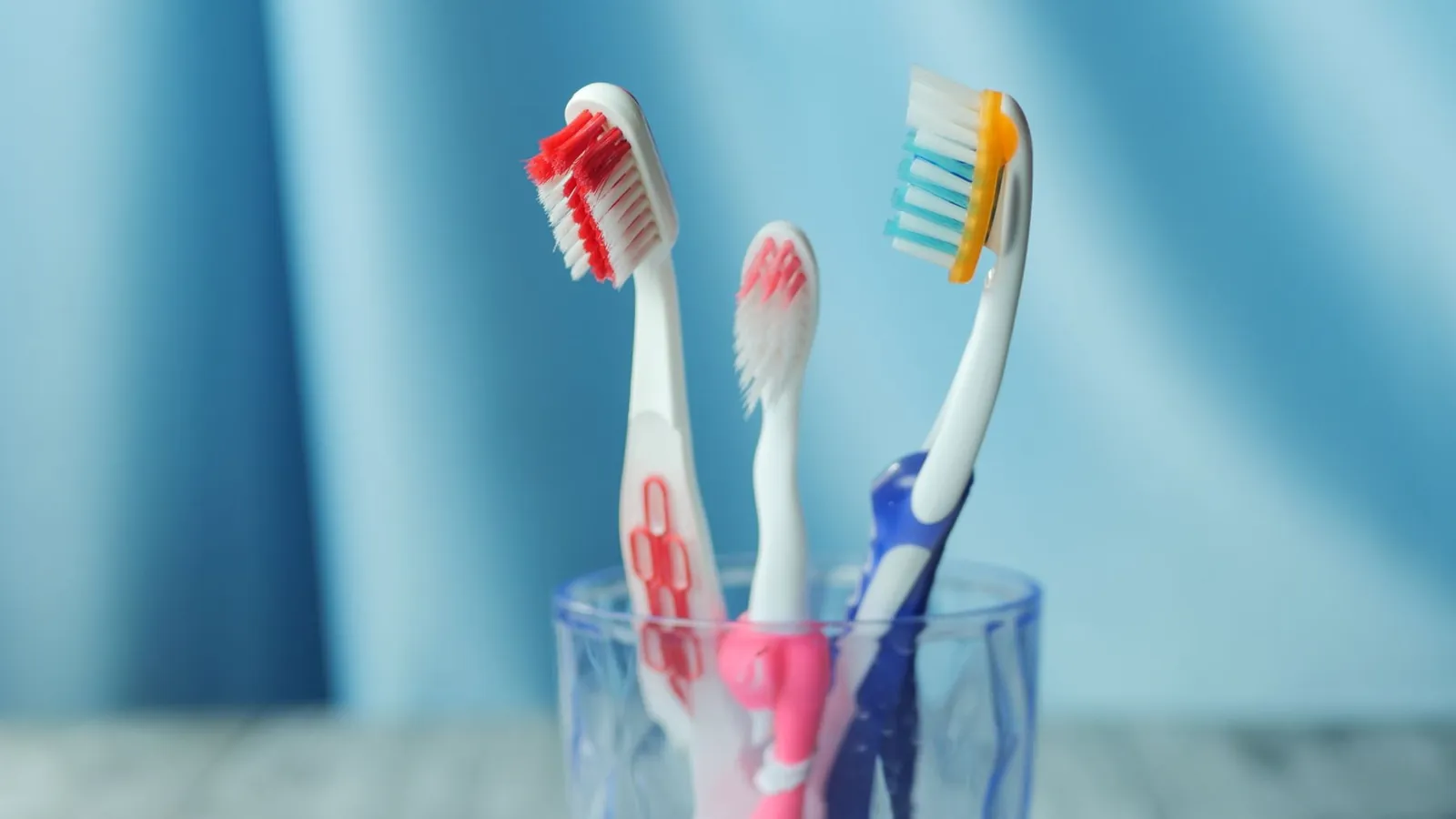
Brush for about two minutes, morning and night, using a soft-bristled brush held at a gentle angle to the gumline. Small circular movements clean better than hard scrubbing, which can wear enamel and push gums back. Brush the outer, inner and chewing surfaces, then your tongue. Replace your brush every three to four months, or sooner if the bristles splay. Our guide to choosing the right toothpaste and toothbrush covers manual versus electric.
2. Do I really need to floss?
Yes. A toothbrush can’t reach the tight contacts between teeth, and that’s where many cavities and most gum inflammation begin. Floss, interdental brushes and water flossers all work. The best one is the one you’ll use every day. If your gums bleed when you start, it usually settles within a week or two of regular cleaning. If it doesn’t, have your gums checked.
3. Why is fluoride toothpaste important?
Fluoride helps strengthen enamel and makes it more resistant to acid. Use a toothpaste containing fluoride, spit out the excess after brushing and avoid rinsing straight away, so some fluoride stays on your teeth. Children need a smaller, age-appropriate amount. Ask the dentist what suits your child.
4. Which foods and drinks damage teeth?
Sugary snacks, sweets, fizzy drinks, energy drinks, fruit juice and frequent sipping of sweetened tea or coffee feed the bacteria that make acid. Acidic drinks can also soften enamel directly. If you have them, keep them to mealtimes rather than grazing all day, and drink water afterwards.
5. What is a tooth-friendly diet?
Meals built around vegetables, fruit, whole grains, protein and dairy or other calcium sources support healthy teeth and gums. Crunchy vegetables encourage saliva, your mouth’s natural rinse. If you’d like structured help with eating habits, our Registered Dietitian works at the same Hatfield centre.
6. How does smoking affect teeth?
Tobacco, whether smoked or chewed, stains teeth, causes bad breath, slows healing and is a major risk factor for gum disease and oral cancer. If you want help quitting, speak to one of our doctors.
7. Does drinking water help my teeth?
Water rinses away food and keeps your mouth moist. A dry mouth raises the risk of decay. Make water your main drink, and rinse with it after meals or snacks when you can’t brush.
8. How can I protect my teeth from injury?
Wear a mouthguard for contact sports such as rugby, hockey or martial arts, which are popular with students around Hatfield. If you clench or grind at night, a dentist can assess whether a night guard would help. Don’t use your teeth to open bottles or tear packaging. That’s a common cause of chips.
9. When is tooth pain a reason to see a dentist?
Any pain, sensitivity that lingers, swelling or a broken tooth deserves a check. Small problems are usually simpler to fix early. Sudden severe pain or swelling is a reason to call us the same day. See our emergency dentist page.
10. How often should I have a dental check-up and clean?
For most people, about every six months, though your dentist may suggest a different interval. A check-up picks up early decay and gum problems, and a professional clean removes hardened tartar. Read more in regular dental check-ups.
What does a good daily routine look like?
| When | What to do |
|---|---|
| Morning | Brush for two minutes with fluoride toothpaste |
| After meals | Rinse with water, especially after sugary or acidic food |
| Evening | Clean between your teeth, then brush for two minutes |
| Every 3–4 months | Replace your toothbrush |
| About every 6 months | Dental check-up and scale and polish |
Getting dental care in Hatfield and Pretoria
iMed’s dental practice is inside our centre at The Fields, 1066 Burnett Street, Hatfield, within walking distance for many University of Pretoria students and close to Arcadia, Brooklyn and Sunnyside. Dr Makoma Nandi Khumalo offers check-ups, cleaning, fillings and more, and we accept all major medical aids. We’re open until 21:00 on weekdays and on weekends. Patients in Soshanguve can call our branch there on 061 506 3023 to ask about services. To book in Hatfield, call or WhatsApp 064 507 7048, or see all our dental services.
Frequently asked questions
Is it better to brush before or after breakfast?
Either can work. If you’ve had something acidic, such as fruit juice, waiting a while before brushing is often suggested. Ask your dentist what fits your routine.
Is an electric toothbrush better than a manual one?
Many people find an electric brush makes thorough cleaning easier, but a manual brush used well for two minutes also cleans effectively.
Should I use mouthwash every day?
Mouthwash can complement brushing and cleaning between teeth, but it doesn’t replace them. Your dentist can suggest whether one would help you.
Why do my gums bleed when I floss?
Bleeding is often a sign of gum inflammation. It usually improves with consistent cleaning. If it continues for more than a couple of weeks, book a check-up.
How often should children see the dentist?
Children benefit from regular check-ups too. The dentist will recommend an interval based on your child’s teeth.
Can I get a check-up and clean on a Saturday in Hatfield?
iMed is open on Saturdays from 09:00 to 16:00. Call 064 507 7048 to confirm dentist availability.
This page is general health information and does not replace a consultation with a qualified healthcare professional. If you have an emergency, call 064 507 7048 or go to your nearest emergency unit.