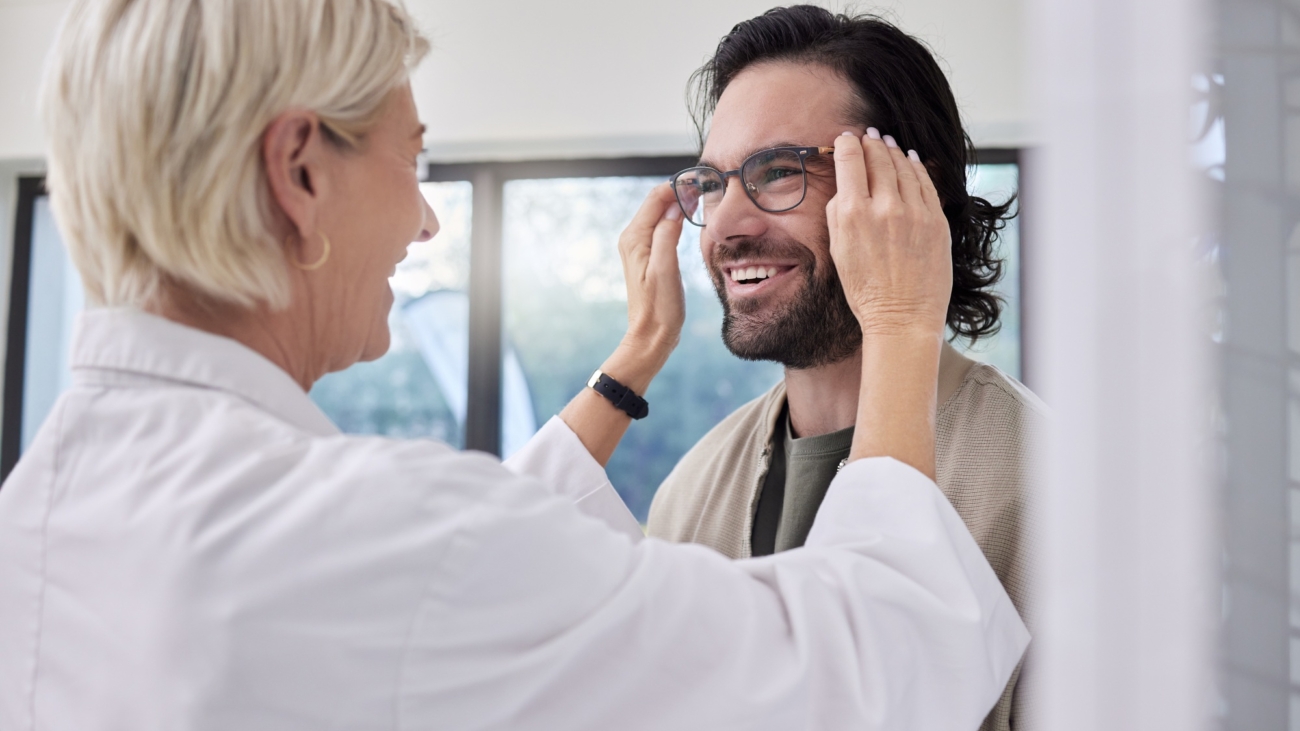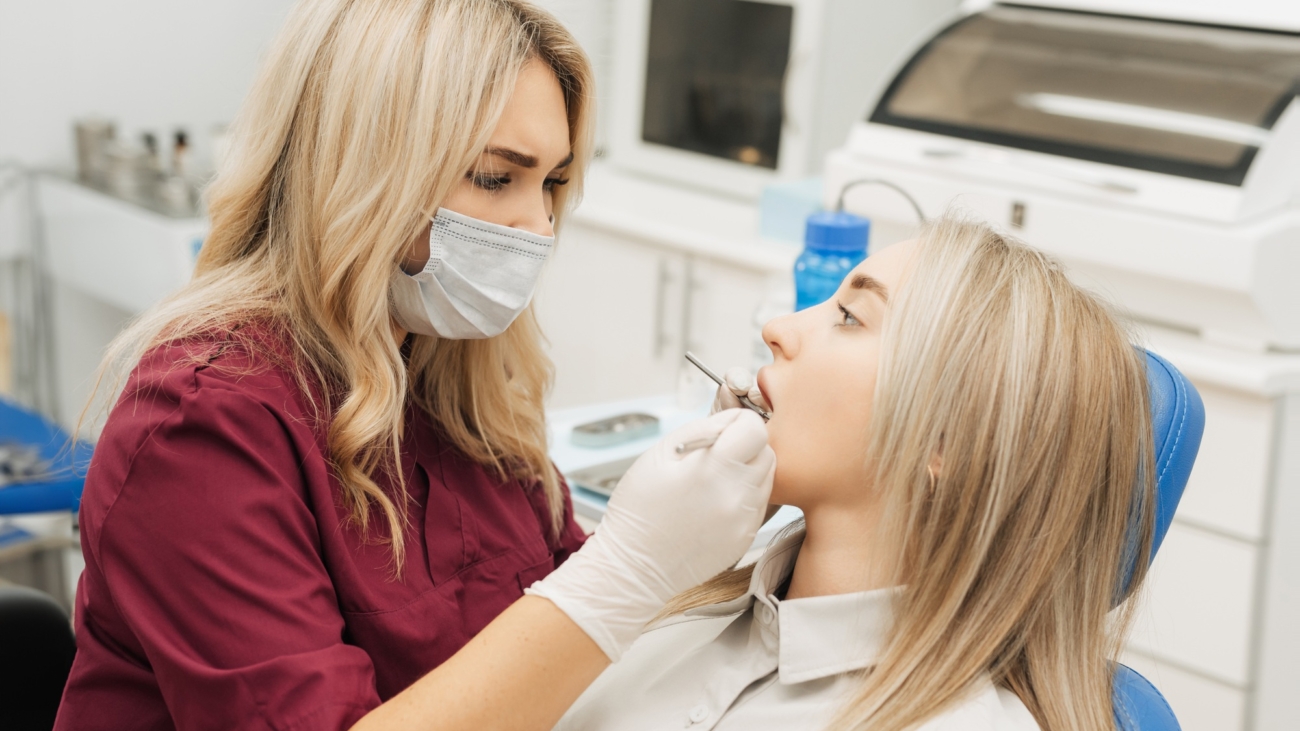
Comprehensive eye exam in Hatfield

Comprehensive eye exam in Hatfield

Comprehensive Eye Exam in Hatfield: Your Path to Clearer Vision at iMed Medical Centre
Optometrist near me

When it comes to your vision, a simple check-up is not enough. To truly understand the health of your eyes and get the most accurate prescription, a comprehensive eye exam is essential. If you’re in Hatfield, Pretoria, and searching for this level of detailed care, iMed Medical Centre is your go-to destination.

At iMed, we believe that a thorough eye exam is the foundation of long-term vision health. It’s a proactive step that can protect your sight for years to come.

What is a Comprehensive Eye Exam?

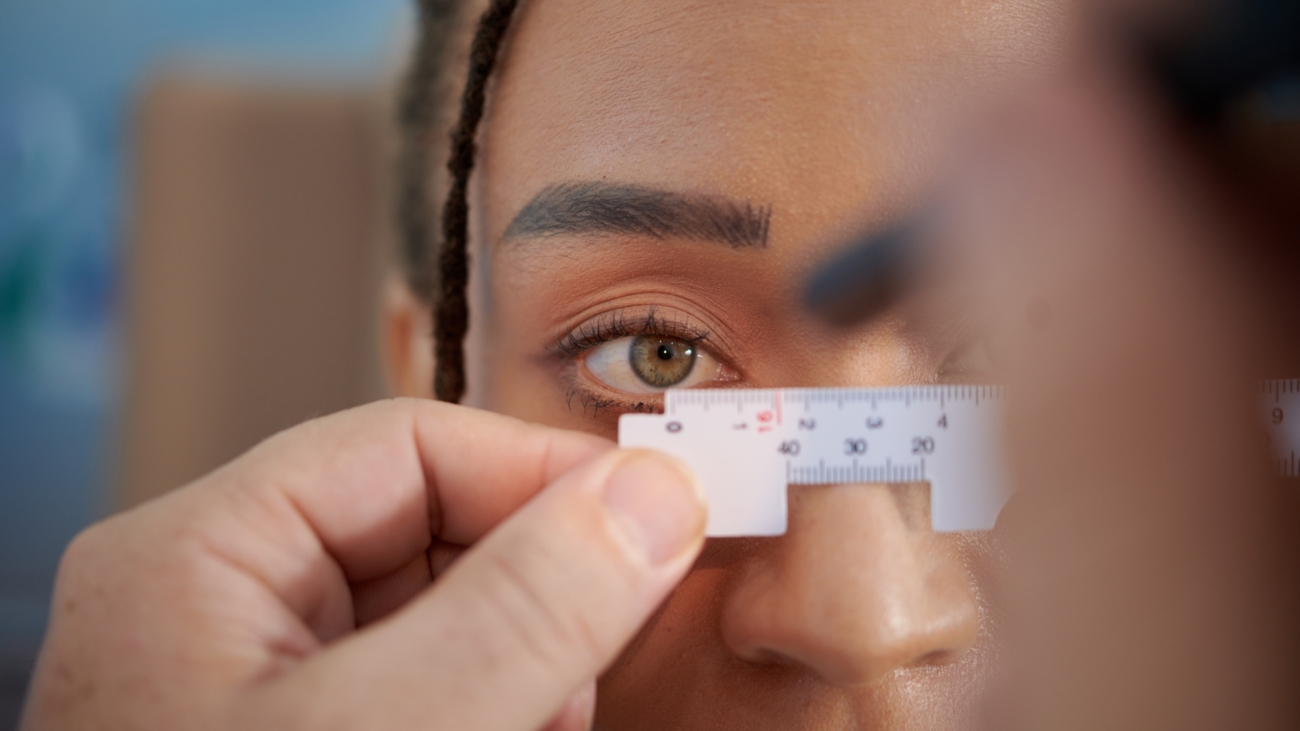
A comprehensive eye exam is a detailed and systematic evaluation of your vision and eye health. Unlike a quick screening, it goes beyond just checking if you need glasses. Our skilled optometrists at the iMed Medical Centre in Hatfield, Pretoria perform a series of tests to get a complete picture of your eyes’ condition.

Key Components of Your Exam at Our Hatfield Branch:

  1. Patient History: We start by discussing your personal and family medical history, as well as any current vision problems or symptoms you might be experiencing.
  2. Visual Acuity Test: This is the classic eye chart test that measures how clearly you see at various distances.
  3. Refractive Error Measurement: Using advanced equipment, we determine the exact prescription you need for glasses or contact lenses to correct any nearsightedness (myopia), farsightedness (hyperopia), or astigmatism.
  4. Eye Health Evaluation: This is a crucial part of the exam. Our optometrists will use specialized tools to:
    • Examine the Front of the Eye: A slit lamp is used to check for conditions like dry eye, allergies, and cataracts.
    • Check for Glaucoma: We measure the pressure inside your eye, as high pressure is the primary risk factor for this silent and sight-threatening disease.
    • Inspect the Retina and Optic Nerve: We look for signs of other diseases like diabetic retinopathy and macular degeneration, which can affect your vision without you even noticing early on.

Why is it Important to Get a Comprehensive Eye Exam in Hatfield?

Regular, comprehensive eye exams are vital for several reasons:

  • Early Detection of Eye Diseases: Many serious eye conditions, like glaucoma, often have no early symptoms. An exam can detect them at a stage where treatment is most effective.
  • Preventative Health: Your eyes can be a window into your overall health. An eye exam can reveal signs of other systemic conditions, such as diabetes or high blood pressure, allowing for earlier management.
  • Accurate Prescription: An outdated or incorrect prescription can lead to constant eye strain, headaches, and overall discomfort. A comprehensive exam ensures your prescription is precise for your needs.

Your Partner in Vision Care in Pretoria
When you search for a “comprehensive eye exam in Hatfield,” you’re looking for more than a service—you’re looking for a trusted healthcare partner. At iMed Medical Centre, our dedicated team, modern equipment, and convenient Pretoria location make us the ideal choice for you and your family’s vision care needs.

We are committed to helping you maintain excellent eye health and enjoy the world with the clearest vision possible.

Ready to see the world more clearly?

Contact US

Schedule your comprehensive eye exam at iMed Medical Centre’s Hatfield branch today! Visit our website: https://imedcentre.co.za/

Optometrist near me

Optometrist Near Me? Find Expert Eye Care in Pretoria at iMed Medical Centre

Optometrist Near Me? Find Expert Eye Care in Pretoria at iMed Medical Centre

When you need an eye check-up, the first thing you likely search for is “optometrist near me.” Your vision is too important to wait, and finding a convenient, trustworthy, and professional eye care provider is essential.

For residents across Pretoria, your search for an “optometrist near me” ends at iMed Medical Centre. We are dedicated to making high-quality eye care accessible and convenient, with multiple branches that ensure you’re never far from expert assistance.

Why Finding a Local Optometrist Matters

Having a local optometrist simplifies your life. It means:

  • Convenience: Easy access for routine annual check-ups, which are crucial for maintaining long-term eye health.
  • Accessibility: Quick help for urgent eye concerns or for when you lose or break your glasses.
  • Building a Relationship: A local optometrist can become a long-term partner in your family’s health, tracking changes in your vision and providing personalized advice over time.

What to Expect from Your Optometrist at iMed Medical Centre in Pretoria

At iMed Medical Centre, our team of skilled optometrists provides a full range of services designed to meet all your vision needs. When you search for “optometrist near me” and choose us, you can expect:

  1. Comprehensive Eye Examinations:

Our eye exams go far beyond simply testing your vision. We perform a thorough health check of your eyes, which includes:

  • Assessing Visual Acuity: Determining the sharpness of your vision at various distances.
  • Refractive Error Testing: Accurately measuring for nearsightedness, farsightedness, or astigmatism.
  • Eye Health Evaluation: Screening for common and serious eye conditions like glaucoma, cataracts, and macular degeneration, as well as checking for signs of other health issues like diabetes and high blood pressure.
  1. Personalized Vision Solutions:

Based on the results of your exam, our optometrists will guide you through the best corrective options for your lifestyle:

  • Prescription Glasses: We offer a wide selection of modern frames and lenses with various coatings for protection and comfort.
  • Contact Lenses: Our team can fit you with the right type of contact lenses for your needs, whether you’re looking for daily, weekly, monthly, or specialized lenses.
  1. Integrated Healthcare Approach:

As a medical centre, iMed offers a significant advantage. Our optometrists work in a coordinated environment with other healthcare professionals. This integrated approach ensures that your eye health is viewed as a vital part of your overall well-being, providing a more holistic and effective care plan.

The iMed Advantage for Pretoria Residents

When you’re searching for an “optometrist near me,” you’re looking for a combination of expertise, convenience, and a high standard of care. At iMed Medical Centre in Pretoria, we offer all three. Our professional team, modern equipment, and patient-focused approach ensure that every visit is a positive and productive experience.

Don’t let distance or inconvenience be a barrier to your eye health. Whether you’re in Hatfield, the city centre, or any other part of Pretoria, iMed Medical Centre is ready to be your local partner in vision care.

External links:

  • American Optometric Association – Eye Health Information
    https://www.aoa.org/healthy-eyes
    (Covers eye conditions, preventive care, and vision tips.)

  • South African Optometric Association
    https://www.saoa.co.za
    (Local authority for optometrists and vision care in South Africa.)

Ready to protect your vision with a trusted local expert?

Call to Action:

Schedule your comprehensive eye exam at a convenient iMed Medical Centre branch in Pretoria today! Visit our website: https://imedcentre.co.za/ Or Call Us: +27 64 507 7048
FAQ: Optometrist Near Me – iMed Medical Centre

Q1: How often should I visit an optometrist?
Most adults should have a comprehensive eye exam every 1–2 years. However, if you have vision problems, wear glasses/contact lenses, or have a health condition like diabetes, annual visits are recommended.

Q2: Do you offer same-day appointments for urgent eye problems?
Yes, iMed Medical Centre strives to accommodate urgent eye care needs. Call ahead to confirm availability and secure your spot.

Q3: Can I get both an eye exam and new glasses on the same day?
In most cases, yes. Our on-site optical service allows you to choose frames and lenses immediately after your exam.

Q4: Do you accept medical aid?
Yes, we work with most major medical aid providers. Our reception team can verify your benefits before your appointment.

Q5: Where are your Pretoria branches located?
We have multiple branches across Pretoria for your convenience. Visit our official website for the nearest location.

Hatfield optometrist Pretoria

Hatfield optometrist Pretoria

Your Trusted Hatfield optometrist Pretoria

Optical services in Pretoria

When it comes to your precious eyesight, having a reliable and accessible optometrist is non-negotiable. If you’re in Hatfield, Pretoria, and looking for expert vision care, you’ll be pleased to know that comprehensive optical services are readily available at your local iMed Medical Centre.

At iMed, we understand the importance of clear vision and healthy eyes for your overall well-being. Our Hatfield branch is equipped to serve the community’s eye care needs, providing professional and compassionate service right in your neighborhood.

Why Choose an Optometrist in Hatfield?

Choosing a local optometrist offers immense convenience, especially for routine check-ups and follow-up appointments. For residents and professionals in Hatfield, Pretoria, having an iMed Medical Centre nearby means less travel time and easier access to essential eye care. Regular eye exams are crucial not just for correcting vision problems, but also for detecting potential eye diseases early, often before you even notice symptoms.

What to Expect from an Optometrist at iMed Medical Centre Hatfield:

Our eye care professionals at iMed Medical Centre’s Hatfield branch are committed to providing thorough and personalized vision services.

  1. Comprehensive Eye Examinations:

A visit to our optometrist involves more than just reading an eye chart. A full eye examination at iMed in Hatfield includes:

  • Visual Acuity Testing: To measure how clearly you see at various distances.
  • Refractive Error Assessment: Determining if you have nearsightedness, farsightedness, or astigmatism, which require corrective lenses.
  • Eye Health Evaluation: Thorough checks for common eye conditions such as glaucoma, cataracts, and macular degeneration. We also look for signs of systemic health issues like diabetes and high blood pressure, which can affect your eyes.
  1. Personalized Vision Solutions:

Based on your examination results, our specialists will recommend the best solutions for your vision needs. This can include:

  • Precise prescriptions for glasses.
  • Fitting and guidance for contact lenses.
  • Referrals to ophthalmologists for specialized medical or surgical treatment if necessary.
  1. Early Detection and Management of Eye Conditions:

Many serious eye conditions develop silently, often without pain or obvious symptoms until they are advanced. Regular visits to an optometrist in Hatfield allow for early detection and timely management, which can significantly impact the outcome and preserve your vision.

  1. Integrated Healthcare Approach:

As part of the iMed Medical Centre, our eye care services benefit from an integrated approach to your health. Your optometrist can easily communicate with other healthcare professionals within our centre, ensuring a holistic understanding of your well-being.

The iMed Advantage in Hatfield, Pretoria:

When searching for a “Hatfield optometrist in Pretoria,” you’re looking for expertise, trust, and convenience. At iMed Medical Centre, our Hatfield branch offers:

  • Experienced Optometrists: Our team comprises skilled and compassionate professionals dedicated to your eye health.
  • Modern Equipment: We utilize up-to-date diagnostic tools to ensure accurate assessments.
  • Convenient Location: Our Hatfield branch makes accessing quality eye care straightforward for the local community.
  • Patient-Centred Care: Your comfort and understanding are our priority throughout your visit.

Don’t compromise on your vision. Whether you need a routine check-up, are experiencing changes in your sight, or require a new prescription, our optometrists at iMed Medical Centre in Hatfield are ready to provide the excellent care you deserve.

Ready to gain clarity and protect your precious sight?

Contact Us

Schedule your comprehensive eye exam at iMed Medical Centre Hatfield Branch today!

Optical services in Pretoria

Optical services in Pretoria

Your Guide to Optical Services in Pretoria: Quality Vision Care at iMed Medical Centre

When it comes to your eyesight, finding professional and reliable optical services in Pretoria is a top priority. Whether you need a routine eye check-up, an updated prescription for your glasses, or a consultation for a specific eye concern, having a trusted partner in vision care is essential.

At iMed Medical Centre, we are dedicated to providing a full spectrum of optical services right here in Pretoria, ensuring that residents have access to the highest standard of care without having to travel far.

What Are Optical Services? A Comprehensive Overview

“Optical services” encompass a wide range of professional care dedicated to the health and correction of your vision. It’s more than just a quick vision test; it’s a proactive approach to maintaining the health of your eyes for a lifetime.

At iMed Medical Centre in Pretoria, our optical services include:

  1. Comprehensive Eye Examinations:

This is the foundation of good eye health. A comprehensive eye exam goes beyond a simple vision screening and includes:

  • Visual Acuity Tests: To determine if you have a refractive error such as nearsightedness, farsightedness, or astigmatism.
  • Eye Health Screening: Our optometrists use advanced tools to examine the internal and external structures of your eye. This is crucial for the early detection of silent diseases like glaucoma and cataracts, as well as for identifying signs of systemic conditions like diabetes and high blood pressure.
  1. Prescriptions for Glasses and Contact Lenses:

Based on your exam, we provide precise and accurate prescriptions for corrective lenses. Our team can help you select the best solution for your lifestyle:

  • Prescription Glasses: We offer a wide range of stylish frames and lenses, including single vision, bifocals, and progressive lenses. We can also provide lens coatings for UV protection, anti-glare, and blue light filtering.
  • Contact Lenses: For those who prefer a life without frames, we provide contact lens fittings, a variety of lens types, and all the guidance you need on proper wear and care.
  1. Management of Common Eye Conditions:

Our optical specialists in Pretoria are equipped to diagnose and manage a variety of common eye conditions, including:

  • Dry Eye Syndrome: Providing solutions and advice to alleviate discomfort and improve eye health.
  • Allergies and Infections: Diagnosing and recommending treatments for eye irritation and conjunctivitis.
  • Digital Eye Strain: Offering expert advice and lens solutions to reduce the symptoms of computer vision syndrome.
  1. Integrated Healthcare for Your Convenience:

A major advantage of choosing iMed Medical Centre for your optical services in Pretoria is our integrated healthcare model. Our optometrists can work closely with other medical professionals within our centre, ensuring a holistic and coordinated approach to your health. This is particularly beneficial for patients with conditions like diabetes, where managing eye health is a critical component of overall care.

Why Choose iMed Medical Centre in Pretoria?

When you search for “optical services in Pretoria,” you’re looking for a combination of expertise, convenience, and trust. At iMed Medical Centre, we pride ourselves on:

  • Experienced Professionals: Our team of skilled optometrists is dedicated to providing high-quality care.
  • Modern Technology: We use state-of-the-art diagnostic equipment to ensure the most accurate results.
  • Patient-Centred Service: Your comfort and clear understanding of your vision and eye health are our top priorities.

Don’t wait until a problem arises. Proactive eye care is the best way to protect your vision. Whether you’re in the city centre or the surrounding areas, iMed Medical Centre is your local partner for all your optical needs.

For more information about national eye care standards, visit the South African Optometric Association.

Ready to see clearly and protect your eye health?

Contact Us

Schedule your comprehensive eye exam at iMed Medical Centre today and experience our expert optical services in Pretoria. Visit our website: https://imedcentre.co.za/

Eye Doctor in Hatfield Pretoria

Eye Doctor in Hatfield Pretoria

Your Trusted Eye Doctor in Hatfield Pretoria: Comprehensive Vision Care at iMed Medical Centre

When it comes to your precious eyesight, having a reliable and accessible eye doctor is non-negotiable. If you’re in Hatfield, Pretoria, and looking for expert vision care, you’ll be pleased to know that comprehensive optical services are readily available at your local iMed Medical Centre.

At iMed, we understand the importance of clear vision and healthy eyes for your overall well-being. Our Hatfield branch is equipped to serve the community’s eye care needs, providing professional and compassionate service right in your neighborhood.

Why Choose an Eye Doctor in Hatfield?

Choosing a local eye doctor offers immense convenience, especially for routine check-ups and follow-up appointments. For residents and professionals in Hatfield, Pretoria, having an iMed Medical Centre nearby means less travel time and easier access to essential eye care. Regular eye exams are crucial not just for correcting vision problems, but also for detecting potential eye diseases early, often before you even notice symptoms.

What to Expect from an Eye Doctor in Hatfield Pretoria:

Our eye care professionals at iMed Medical Centre’s Hatfield branch are committed to providing thorough and personalized vision services.

  1. Comprehensive Eye Examinations:

A visit to our eye doctor involves more than just reading an eye chart. A full eye examination at iMed in Hatfield includes:

  • Visual Acuity Testing: To measure how clearly you see at various distances.
  • Refractive Error Assessment: Determining if you have nearsightedness, farsightedness, or astigmatism, which require corrective lenses.
  • Eye Health Evaluation: Thorough checks for common eye conditions such as glaucoma, cataracts, and macular degeneration. We also look for signs of systemic health issues like diabetes and high blood pressure, which can affect your eyes.
  1. Personalized Vision Solutions:

Based on your examination results, our specialists will recommend the best solutions for your vision needs. This can include:

  • Precise prescriptions for glasses.
  • Fitting and guidance for contact lenses.
  • Referrals to ophthalmologists for specialized medical or surgical treatment if necessary.
  1. Early Detection and Management of Eye Conditions:

Many serious eye conditions develop silently, often without pain or obvious symptoms until they are advanced. Regular visits to an eye doctor in Hatfield allow for early detection and timely management, which can significantly impact the outcome and preserve your vision.

  1. Integrated Healthcare Approach:

As part of the iMed Medical Centre, our eye care services benefit from an integrated approach to your health. Your eye doctor can easily communicate with other healthcare professionals within our centre, ensuring a holistic understanding of your well-being.

The iMed Advantage in Hatfield, Pretoria:

When searching for an “eye doctor in Hatfield Pretoria,” you’re looking for expertise, trust, and convenience. At iMed Medical Centre, our Hatfield branch offers:

  • Experienced Optometrists: Our team comprises skilled and compassionate professionals dedicated to your eye health.
  • Modern Equipment: We utilize up-to-date diagnostic tools to ensure accurate assessments.
  • Convenient Location: Our Hatfield branch makes accessing quality eye care straightforward for the local community.
  • Patient-Centred Care: Your comfort and understanding are our priority throughout your visit.

Don’t compromise on your vision. Whether you need a routine check-up, are experiencing changes in your sight, or require a new prescription, our eye doctors at iMed Medical Centre in Hatfield are ready to provide the excellent care you deserve.

Ready to gain clarity and protect your precious sight?

Frequently Asked Questions

Q: How often should I see an eye doctor in Hatfield Pretoria?
A: It’s recommended to have an eye exam every 1–2 years, or more frequently if you have existing vision problems or health conditions.

Q: Do I need a referral to see an eye doctor at iMed Medical Centre?
A: No referral is needed. You can book an appointment directly with our Hatfield branch.

Q: Does iMed Hatfield accept medical aid for eye exams?
A: Yes, we accept most major medical aids. Contact us for verification.

Contact Us

Schedule your comprehensive eye exam at iMed Medical Centre Hatfield Branch today!

Can poor eyesight improve itself

Can poor eyesight improve itself

Can Poor Eyesight Improve Itself? Understanding Vision Changes at iMed Medical Center in Pretoria

It’s a common hope: can blurry or “poor” eyesight simply get better on its own? While the idea of your vision magically correcting itself is appealing, for most adults, common refractive errors (like nearsightedness, farsightedness, or astigmatism) typically do not improve without intervention. However, there are nuances to consider, especially concerning specific conditions or age groups.

At iMed Medical Center in Pretoria, we’re dedicated to providing clarity on eye health, helping you understand how your vision works and when professional care is essential.

Can Poor Eyesight Improve in Adults?

For the majority of adults, refractive errors are largely due to the fixed shape of your eyeball and the way light focuses onto your retina. These structural elements don’t spontaneously change back to a perfect shape. Once these conditions develop, they usually require corrective lenses (glasses or contact lenses) or refractive surgery to achieve clear vision.

Temporary Fluctuations That Can Be Mistaken for Improvement:

While your prescription won’t disappear on its own, your vision can sometimes fluctuate temporarily due to various factors. These aren’t true improvements in your underlying eyesight but can sometimes lead to periods of clearer vision:

  • Eye Strain/Fatigue Prolonged close-up work, especially on digital screens, can cause your eye muscles to spasm, leading to temporary nearsightedness (pseudomyopia). Resting your eyes can resolve this, making it seem like your vision improved.
  • Dry Eyes: A dry or unstable tear film on the surface of your eye can cause blurry or inconsistent vision. Using artificial tears or managing dry eye symptoms can restore clarity.
  • Blood Sugar Levels (for Diabetics): For individuals with diabetes, significant fluctuations in blood sugar levels can temporarily affect the lens of the eye, causing blurred vision. Stabilizing blood sugar can sometimes lead to vision returning to its previous state.
  • Medications: Certain medications can have temporary side effects that impact your vision, which resolve once the medication is stopped or adjusted.
  • Cataracts: As cataracts (clouding of the eye’s natural lens) develop, they can cause progressive blurriness. While this worsens over time, vision can be significantly restored after surgical removal of the cataract. This is an improvement after surgical intervention, not spontaneous self-correction.

Can poor eyesight improve itself : A Critical Period for Intervention

The situation is distinctly different and critically important for children. A child’s visual system is still developing, particularly during their crucial early years (up to around ages 8-10). If a child has a significant refractive error or another vision problem that prevents clear images from reaching the brain, it can lead to long-term issues if not addressed. In these cases, early intervention can indeed lead to significant improvement:

Conditions Where Intervention Leads to Improvement:

  • Amblyopia (Lazy Eye): This is a condition where the brain doesn’t develop proper vision in one eye because it’s not receiving clear images (often due to a large difference in prescription between the eyes or a misalignment). With timely treatment, such as patching the stronger eye or using atropine drops to blur it, the vision in the weaker eye can often improve dramatically.
  • Myopia Progression: While myopia (nearsightedness) often worsens during childhood and adolescence, specialized treatments like certain types of contact lenses or eye drops can help to slow down this progression. This isn’t a “cure” but a way to manage and limit the extent of worsening.
  • Strabismus (Crossed Eyes): If uncorrected vision contributes to eye misalignment, glasses can sometimes help correct the strabismus and allow the eyes to work together properly, improving binocular vision.

Why Professional Eye Care is Essential at iMed Pretoria:

Regardless of age, any significant or persistent change in your vision, or the hope of improvement, warrants a professional eye exam. An optometrist or ophthalmologist can:

  • Accurately Diagnose: Determine the precise cause of your “poor eyesight”—whether it’s a stable refractive error, a temporary fluctuation, or an underlying eye condition or systemic health issue.
  • Prescribe Corrective Lenses: If a refractive error is present, they can provide the exact prescription for glasses or contact lenses to ensure you achieve clear, comfortable vision.
  • Identify and Treat Diseases: Many serious eye conditions like glaucoma, cataracts, diabetic retinopathy, or macular degeneration show no early symptoms. Regular exams allow for early detection and timely treatment, which can prevent irreversible vision loss.
  • Manage Childhood Conditions: For children, early diagnosis and treatment of conditions like amblyopia are vital for ensuring proper visual development and preserving long-term vision.

In summary, while your adult eyes typically won’t correct a refractive error on their own, maintaining good overall health and seeking regular professional eye care are the best ways to ensure your eyes remain “okay” and to address any changes promptly. If you’re in Pretoria, and have questions or concerns about your vision, consider scheduling an eye exam at iMed Medical Center to get a professional assessment of your vision and eye health.

External link: Mayo Clinic – Eye Diseases

Wondering about your vision? Don’t leave it to chance!

Call to Action:

Schedule your comprehensive eye exam with our dedicated eye care professionals at iMed Medical Center in Pretoria today. Visit our website at https://imedcentre.co.za/

Not wearing glasses effects on eyesight explained by iMed Medical Pretoria

Not Wearing Glasses Effects: What Happens to Your Eyesight? | iMed Medical Pretoria

Not Wearing Glasses Effects: What Happens to Your Eyesight?

At iMed Medical Center in Pretoria, many patients ask about the not wearing glasses effects—does skipping your glasses actually harm your eyesight? The answer depends on whether you’re an adult or a child. This article explores the facts behind these effects and explains why wearing your prescribed glasses matters.


Not Wearing Glasses Effects on Adults

For most adults, not wearing glasses will not cause permanent damage or worsen your eyesight. Your vision problems usually stem from the physical shape of your eye, genetics, and aging—not how often you wear your glasses.

However, the not wearing glasses effects can include:

  • Eye strain and headaches caused by forcing your eyes to focus without correction.

  • Blurry vision and squinting, which reduce productivity and comfort.

  • The false perception of becoming “dependent” on glasses, which is actually your brain adjusting to clear vision when wearing them.

Wearing glasses improves your visual comfort and quality of life but skipping them generally won’t worsen your eye health permanently.


Not Wearing Glasses Effects on Children

For children, the not wearing glasses effects can be serious. Children’s eyes are still developing, and not wearing prescribed glasses can cause:

  • Amblyopia (lazy eye), where the brain favors one eye and vision in the weaker eye diminishes.

  • Strabismus (crossed eyes) caused by uncorrected vision problems.

  • Faster progression of myopia (nearsightedness) due to constant eye strain.

  • Learning difficulties related to poor vision.

Because of these risks, children should always wear their prescribed glasses to ensure proper eye development and avoid long-term damage.

According to the American Optometric Association, early eye exams play a key role in detecting vision issues in children and preventing long-term developmental problems


Why Wearing Glasses Matters

Wearing your glasses as prescribed helps prevent uncomfortable not wearing glasses effects like eye strain, headaches, and blurry vision. For children, glasses are essential for healthy vision development.

At iMed Medical Center in Pretoria, we offer comprehensive eye exams and expert advice on the best vision correction for you and your family.


Need More Information About Not Wearing Glasses Effects?

If you want to learn more about eye health and vision correction, visit the American Optometric Association’s guide on Common Eye and Vision Conditions.


Call to Action

Experiencing eye discomfort or worried about your vision? Schedule a thorough eye exam with our caring optometrists at iMed Medical Center in Pretoria. Let us help you maintain clear, comfortable eyesight at any age.

Visit: https://imedcentre.co.za/

How do I check if my eyes are ok – eye exam at iMed Medical Center in Pretoria

How Do I Check If My Eyes Are OK? A Guide to Eye Health at iMed Medical Center in Pretoria

How Do I Check If My Eyes Are OK? A Guide to Eye Health at iMed Medical Center in Pretoria

How do I check if my eyes are ok – eye exam at iMed Medical Center in Pretoria

“Are my eyes okay?” It’s a question many of us ponder, especially if we notice even subtle changes in our vision or experience discomfort. But “being okay” goes beyond just seeing clearly; it encompasses the overall health of your eyes, including the detection of potential issues that might not even affect your vision in their early stages. At iMed Medical Center in Pretoria, we believe in empowering you with the knowledge to safeguard your sight. So, how do I check if my eyes are ok? Start by watching for subtle signs — and when in doubt, book an expert evaluation at iMed Medical Center in Pretoria.

Here’s how you can monitor your eye health and why regular professional check-ups are the most reliable way to ensure your eyes truly are “okay.”

If you’ve ever wondered, how do I check if my eyes are ok, here are key symptoms and changes to monitor.

Pay Attention to Your Vision and Symptoms:

Your eyes are incredibly resilient, but they’re also excellent communicators. Being aware of changes and symptoms is your first line of defense:

1. Changes in Vision

  • Blurriness or Fuzziness: Any new or worsening blurriness at any distance (reading, driving, computer screens).
  • Distortion: Straight lines appearing wavy or distorted.
  • Dimming or Loss of Field: Patches of missing vision, a general dimming of light, or a “curtain” coming across your vision.
  • Difficulty in Low Light or at Night: Struggling to see in dim rooms, or experiencing increased glare and halos during night driving.

2. Eye Discomfort

  • Frequent Eye Strain or Headaches: Especially after reading, computer work, or other visually demanding tasks.
  • Dryness, Itchiness, or Grittiness: A persistent feeling of irritation in your eyes.
  • Redness: Redness in the white part of your eye (sclera) that doesn’t resolve.
  • Sensitivity to Light (Photophobia): Unusual discomfort or pain from bright lights.

3. Visual Disturbances

  • New Floaters: An increase in small specks, spots, or “cobwebs” that drift across your vision. While some are normal, a sudden increase can be a sign of a more serious issue.
  • Flashes of Light: Sudden, brief streaks or flashes of light, particularly in your peripheral vision. These can be serious and require immediate attention.
  • Double Vision (Diplopia): Seeing two distinct images of a single object.

4. Changes in Appearance

  • Any noticeable swelling around the eye, changes in pupil size or shape, or persistent discharge.

If you experience any of these symptoms, particularly sudden onset visual disturbances, it’s a strong indicator that you should seek professional eye care promptly.

How Do I Check If My Eyes Are OK? Get a Comprehensive Eye Exam at iMed Pretoria

The most reliable and comprehensive way to truly know if your eyes are “okay” is through a regular, thorough eye examination performed by an experienced optometrist or ophthalmologist. This isn’t just a simple vision screening; it’s a detailed health check of your entire visual system.

At iMed Medical Center in Pretoria, a comprehensive eye exam typically includes:

What an Eye Exam Checks For:

Many patients ask us: how do I check if my eyes are ok without symptoms? A detailed eye exam is the best solution — it uncovers silent conditions early.

  • Visual Acuity: Assessing how clearly you see at various distances using an eye chart.
  • Refractive Errors: Determining if you have nearsightedness, farsightedness, or astigmatism, and prescribing corrective lenses if needed.
  • Eye Muscle Movement and Coordination: Checking how well your eyes work together and move in all directions.
  • Peripheral (Side) Vision: To detect any blind spots that could be signs of conditions like glaucoma.
  • Intraocular Pressure (IOP): Measuring the pressure inside your eye, a key screening test for glaucoma.
  • Eye Health Assessment (External and Internal):
    • Slit-Lamp Examination: Using a special microscope, the optometrist examines the front structures of your eye (eyelids, lashes, conjunctiva, cornea, iris, and lens) for any abnormalities like cataracts.
    • Retinal Examination (Fundoscopy): After dilating your pupils (with eye drops), the optometrist gets a clear view of the back of your eye, including the retina, optic nerve, and blood vessels. This is crucial for detecting conditions like diabetic retinopathy, macular degeneration, and optic nerve damage.
  • Color Vision: To check for any color vision deficiencies.
  • Patient History: A thorough discussion about your general health, medications, family history of eye conditions, and any visual problems you’re experiencing.

How Often Should You Get Your Eyes Checked? (General Guidelines):

Unsure how do I check if my eyes are ok if I don’t have symptoms? Regular exams are essential even if your vision seems fine.

Even if you currently have perfect vision and no symptoms, regular eye exams are crucial because many serious eye conditions can develop silently without early warning signs.

  • Children (Birth to Age 18):
    • First exam between 6 and 12 months.
    • Another exam between ages 3 and 5.
    • Annually once they start school until age 18.
  • Adults (Age 18-64):
    • Generally, every one to two years if you have no known risk factors or vision problems.
    • Annually if you wear contact lenses, have a family history of eye disease, diabetes, high blood pressure, or are taking medications that can affect your vision.
  • Seniors (Age 65+):
    • Annually, as the risk of age-related eye diseases (like cataracts, glaucoma, macular degeneration) increases significantly.

Lifestyle Factors That Support Eye Health:

Beyond professional exams, you can actively support your eye health through daily habits:

  • Eat a Balanced Diet: Focus on foods rich in Omega-3 fatty acids (fish), lutein, zeaxanthin (leafy greens, colorful fruits and vegetables), and vitamins C and E.
  • Protect Your Eyes from UV Light: Always wear sunglasses that block 99-100% of UVA and UVB rays when outdoors, even on cloudy days.
  • Take Regular Screen Breaks (20-20-20 rule): Every 20 minutes, look at something 20 feet away for 20 seconds to reduce digital eye strain.
  • Don’t Smoke: Smoking dramatically increases the risk of various eye diseases.
  • Manage Chronic Conditions: Keep conditions like diabetes and high blood pressure well-controlled, as they can have severe impacts on your eye health.

Eating right and protecting your eyes helps — but for a full answer to “how do I check if my eyes are ok,” only a professional exam can confirm your eye health.

Ultimately, the best way to ensure your eyes are “okay” is to be proactive about both self-awareness and professional eye care. If you have any concerns or are due for a regular check-up, don’t hesitate. At iMed Medical Center in Pretoria, our dedicated eye care professionals are here to provide comprehensive examinations and guide you on your journey to lifelong eye health.Many eye diseases, like glaucoma and age-related macular degeneration, have no early symptoms, according to the Centers for Disease Control and Prevention | CDC. 

Concerned about your eyes? Don’t wait to gain clarity!

Call to Action:

Still asking yourself, how do I check if my eyes are ok? Visit iMed Medical Center in Pretoria and let our expert team guide you toward lasting vision wellness.

Schedule your comprehensive eye exam at iMed Medical Center in Pretoria today. Visit our website at https://imedcentre.co.za/
Best eye specialist in Pretoria conducting a vision test at iMed Medical Center

Finding the Best Eye Specialist in Pretoria

Best eye specialist in Pretoria conducting a vision test at iMed Medical Center

Finding the Best Eye Specialist in Pretoria

When it comes to your vision, settling for anything less than excellence isn’t an option. If you’re searching for the “best eye specialist in Pretoria,” you’re looking for more than just a title; you’re seeking expertise, trust, and a commitment to your long-term eye health. At iMed Medical Center, we believe in connecting you with exceptional healthcare professionals, including those dedicated to your vision.

Let’s explore what truly defines an outstanding eye specialist and how iMed Medical Center in Pretoria can guide you to comprehensive eye care.

What Defines the Best Eye Specialist in Pretoria?

The term “best” is subjective, but “exceptional” eye care professionals share several key characteristics:

1. Qualifications and Experience

An exceptional eye specialist possesses robust qualifications and relevant experience.

  • Optometrists: These are primary eye care providers who conduct eye exams, diagnose vision problems (like nearsightedness, farsightedness, astigmatism, presbyopia), prescribe corrective lenses (glasses and contact lenses), and detect many common eye diseases. They are your first point of contact for routine eye care and vision correction.
  • Ophthalmologists: These are medical doctors (MDs) who specialize in eye and vision care. They are trained to perform eye exams, diagnose and treat all eye diseases, prescribe medication, and perform eye surgery.
  • The “best” professional for you depends on your specific needs, but both should be highly qualified and experienced in their respective fields.

2. Comprehensive Technology and Services

Top-tier eye care practices invest in advanced diagnostic equipment. An exceptional specialist will utilize modern technology to:

  • Accurately assess your vision.
  • Detect subtle changes in eye health.
  • Diagnose conditions early, often before symptoms become noticeable. They should offer a range of services, from routine eye exams and spectacle/contact lens prescriptions to managing eye conditions and providing appropriate referrals when necessary.

3. Patient-Centered Approach and Clear Communication

An exceptional eye specialist prioritizes the patient. This means:

  • Active Listening: Taking the time to understand your concerns, lifestyle, and visual needs.
  • Clear Explanations: Explaining findings, diagnoses, and treatment options in an understandable way, answering all your questions patiently.
  • Personalized Care: Developing a treatment plan that is tailored specifically to you, not a one-size-fits-all approach.
  • Compassion and Empathy: Making you feel comfortable and understood throughout your visit.

4. Reputation and Patient Feedback

While personal recommendations are valuable, also consider what others say about the practice and specialist. Positive patient reviews often highlight aspects like professional demeanour, effectiveness of treatment, wait times, and quality of staff interaction. These insights can paint a clearer picture of their patient experience.

5. Integrated Care Philosophy

The eyes are often a window to overall health. An exceptional eye specialist understands this connection and, ideally, operates within a framework that supports integrated care. They should be willing to communicate with your other healthcare providers to ensure a holistic approach to your well-being. This is a core strength of iMed Medical Center.

Your Journey to the Best Eye Specialist in Pretoria Starts Here

At iMed Medical Center in Pretoria, we understand the importance of finding a trusted eye specialist. We are proud to house experienced optometrists who are dedicated to providing thorough and compassionate eye care.

When you choose iMed for your eye health needs, you benefit from:

  • Convenience: Access comprehensive eye examinations under one roof, often alongside other medical services.
  • Experienced Optometrists: Our eye care professionals are skilled in diagnosing vision changes, managing common eye conditions, and prescribing the right corrective lenses, as highlighted in our “5 Signs You Might Need Glasses” [internal link to “5 Signs You Might Need Glasses” blog post].
  • Modern Diagnostic Tools: Ensuring accurate assessments of your vision and eye health.
  • Collaborative Care: Our optometrists can seamlessly refer you to ophthalmologists or other specialists within our network or beyond, should your condition require specialized medical or surgical intervention. This integrated approach aligns perfectly with the benefits of having a family doctor for your holistic health.

The iMed Medical Center Advantage for Your Eye Health in Pretoria:

Finding the “best” eye specialist is about finding the professional who instills confidence through their expertise, care, and commitment to your vision. At iMed Medical Center in Pretoria, we strive to be your trusted partner in maintaining not just your eye health, but your complete well-being. We emphasize preventative care and early detection, understanding that clear vision is fundamental to a high quality of life.

Ready to experience exceptional eye care in Pretoria?

Contact Us

Schedule your comprehensive eye exam with our dedicated optometrists at iMed Medical Center in Pretoria today. Visit our website at https://imedcentre.co.za/

5 Signs You Might Need Glasses

5 Signs You Might Need Glasses

5 Signs You Might Need Glasses

Our vision is one of our most precious senses, often taken for granted until changes become noticeable. Vision issues can develop gradually, making it difficult to pinpoint exactly when a problem began. However, your eyes often send clear signals when they’re working harder than they should be. If you’ve been wondering, “5 signs you might need glasses,” or simply feel like your vision isn’t quite as sharp as it used to be, it’s time to pay attention.

At iMed Medical Center in Pretoria, our comprehensive eye care services are here to help you see the world clearly. Knowing these common indicators can help you decide when it’s time to book an eye exam.

Pay Attention to These Key Signals Your Eyes Are Sending:

tartar breaking off back of teeth treatment in Pretoria

Your body is remarkably good at communicating its needs. Here are five top signs that suggest you might benefit from corrective lenses:

1. Blurry Vision or Difficulty Focusing

This is often the most obvious and direct indicator. If objects at a certain distance (near or far) appear consistently hazy or out of focus, it’s a primary sign.

  • Difficulty Reading: You might find yourself holding books, menus, or your phone further away to make the words clearer. This is a classic sign of presbyopia (age-related farsightedness).
  • Struggling with Distant Objects: Road signs, movie screens, or faces across a room might seem indistinct. This often points to myopia (nearsightedness).
  • General Blur: A general blur at all distances can indicate astigmatism or other refractive errors.

2. Frequent Headaches or Eye Strain

When your eyes have to work overtime to compensate for uncorrected vision, it puts a significant strain on the muscles surrounding your eyes and in your forehead.

  • Location of Pain: These headaches often manifest around your temples, forehead, or directly behind your eyes.
  • Trigger: They are typically worse after periods of reading, computer work, driving, or other visually demanding tasks. Prolonged screen time, especially without proper breaks, is a common culprit for digital eye strain, which can exacerbate existing uncorrected vision issues.

3. Squinting or Tiring Your Eyes

If you find yourself constantly narrowing your eyes to make things clearer, you’re essentially trying to compensate for a refractive error. Squinting temporarily changes the shape of your eye and the way light enters, improving focus for a moment.

  • Eye Fatigue: Beyond just squinting, your eyes might simply feel tired, heavy, or achy, especially towards the end of the day or after concentrated visual tasks. This indicates they’re working too hard to focus.

4. Difficulty Seeing at Night or in Low Light

Night vision relies heavily on your eyes’ ability to process subtle differences in light and contrast. Uncorrected vision problems can significantly impair this ability.

  • Night Driving Challenges: You might experience increased glare from oncoming headlights, halos or streaks around light sources, or a general feeling that everything is less clear and more difficult to discern in low-light conditions. This can make driving at night particularly challenging and even unsafe.

5. Double Vision or Halos Around Lights

While less common, experiencing double vision (seeing two images of a single object) or noticing distinct halos or rings around light sources (especially at night) are serious symptoms that warrant immediate professional attention.

  • Double Vision: This can be a sign of various eye conditions, neurological issues, or severe refractive errors.
  • Halos: While sometimes a symptom of refractive error, halos can also indicate more serious eye conditions like cataracts or glaucoma, particularly if accompanied by other visual disturbances.

What to Do If You Notice These Signs in Pretoria:

Regular Check-ups for Your Family's Health

If any of these signs resonate with your recent experiences, it’s crucial not to self-diagnose or delay seeking professional help. Changes in vision are not just about needing glasses; they can also be indicators of underlying eye health issues that require prompt attention.

  • Schedule a Comprehensive Eye Exam: At iMed Medical Center in Pretoria, our experienced optometrists provide thorough eye examinations that go far beyond simply checking your vision. They will assess the overall health of your eyes, check for eye diseases, and accurately determine if you have a refractive error that can be corrected with glasses or contact lenses.
  • Don’t Ignore Subtle Changes: Even minor changes can impact your quality of life, leading to discomfort, fatigue, or even safety risks. Early detection is key to effective management and maintaining long-term eye health.

Your Partner in Eye Health at iMed Medical Center in Pretoria

Your vision is invaluable, and ensuring its health should be a priority. Whether it’s for routine check-ups or to address specific concerns, the eye care team at iMed Medical Center in Pretoria is dedicated to providing comprehensive and compassionate service. We are committed to helping you see clearly and comfortably, integrating seamlessly with your overall health journey, much like the benefits of having a family doctor for holistic care.

Are you experiencing any of these signs? Don’t wait to gain clarity!

Contact Us

Book your comprehensive eye exam at iMed Medical Center in Pretoria today. Visit our website at https://imedcentre.co.za/