

5 Signs You Might Need Glasses
Our vision is one of our most precious senses, often taken for granted until changes become noticeable. Vision issues can develop gradually, making it difficult to pinpoint exactly when a problem began. However, your eyes often send clear signals when they’re working harder than they should be. If you’ve been wondering, “5 signs you might need glasses,” or simply feel like your vision isn’t quite as sharp as it used to be, it’s time to pay attention.
At iMed Medical Center in Pretoria, our comprehensive eye care services are here to help you see the world clearly. Knowing these common indicators can help you decide when it’s time to book an eye exam.
Pay Attention to These Key Signals Your Eyes Are Sending:

Your body is remarkably good at communicating its needs. Here are five top signs that suggest you might benefit from corrective lenses:
1. Blurry Vision or Difficulty Focusing
This is often the most obvious and direct indicator. If objects at a certain distance (near or far) appear consistently hazy or out of focus, it’s a primary sign.
- Difficulty Reading: You might find yourself holding books, menus, or your phone further away to make the words clearer. This is a classic sign of presbyopia (age-related farsightedness).
- Struggling with Distant Objects: Road signs, movie screens, or faces across a room might seem indistinct. This often points to myopia (nearsightedness).
- General Blur: A general blur at all distances can indicate astigmatism or other refractive errors.
2. Frequent Headaches or Eye Strain
When your eyes have to work overtime to compensate for uncorrected vision, it puts a significant strain on the muscles surrounding your eyes and in your forehead.
- Location of Pain: These headaches often manifest around your temples, forehead, or directly behind your eyes.
- Trigger: They are typically worse after periods of reading, computer work, driving, or other visually demanding tasks. Prolonged screen time, especially without proper breaks, is a common culprit for digital eye strain, which can exacerbate existing uncorrected vision issues.
3. Squinting or Tiring Your Eyes
If you find yourself constantly narrowing your eyes to make things clearer, you’re essentially trying to compensate for a refractive error. Squinting temporarily changes the shape of your eye and the way light enters, improving focus for a moment.
- Eye Fatigue: Beyond just squinting, your eyes might simply feel tired, heavy, or achy, especially towards the end of the day or after concentrated visual tasks. This indicates they’re working too hard to focus.
4. Difficulty Seeing at Night or in Low Light
Night vision relies heavily on your eyes’ ability to process subtle differences in light and contrast. Uncorrected vision problems can significantly impair this ability.
- Night Driving Challenges: You might experience increased glare from oncoming headlights, halos or streaks around light sources, or a general feeling that everything is less clear and more difficult to discern in low-light conditions. This can make driving at night particularly challenging and even unsafe.
5. Double Vision or Halos Around Lights
While less common, experiencing double vision (seeing two images of a single object) or noticing distinct halos or rings around light sources (especially at night) are serious symptoms that warrant immediate professional attention.
- Double Vision: This can be a sign of various eye conditions, neurological issues, or severe refractive errors.
- Halos: While sometimes a symptom of refractive error, halos can also indicate more serious eye conditions like cataracts or glaucoma, particularly if accompanied by other visual disturbances.
What to Do If You Notice These Signs in Pretoria:
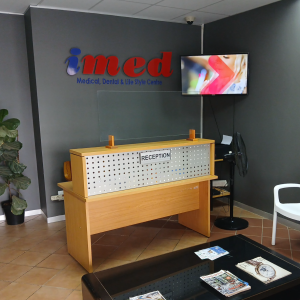
If any of these signs resonate with your recent experiences, it’s crucial not to self-diagnose or delay seeking professional help. Changes in vision are not just about needing glasses; they can also be indicators of underlying eye health issues that require prompt attention.
- Schedule a Comprehensive Eye Exam: At iMed Medical Center in Pretoria, our experienced optometrists provide thorough eye examinations that go far beyond simply checking your vision. They will assess the overall health of your eyes, check for eye diseases, and accurately determine if you have a refractive error that can be corrected with glasses or contact lenses.
- Don’t Ignore Subtle Changes: Even minor changes can impact your quality of life, leading to discomfort, fatigue, or even safety risks. Early detection is key to effective management and maintaining long-term eye health.
Your Partner in Eye Health at iMed Medical Center in Pretoria
Your vision is invaluable, and ensuring its health should be a priority. Whether it’s for routine check-ups or to address specific concerns, the eye care team at iMed Medical Center in Pretoria is dedicated to providing comprehensive and compassionate service. We are committed to helping you see clearly and comfortably, integrating seamlessly with your overall health journey, much like the benefits of having a family doctor for holistic care.
Are you experiencing any of these signs? Don’t wait to gain clarity!
Contact Us
Book your comprehensive eye exam at iMed Medical Center in Pretoria today. Visit our website at https://imedcentre.co.za/