
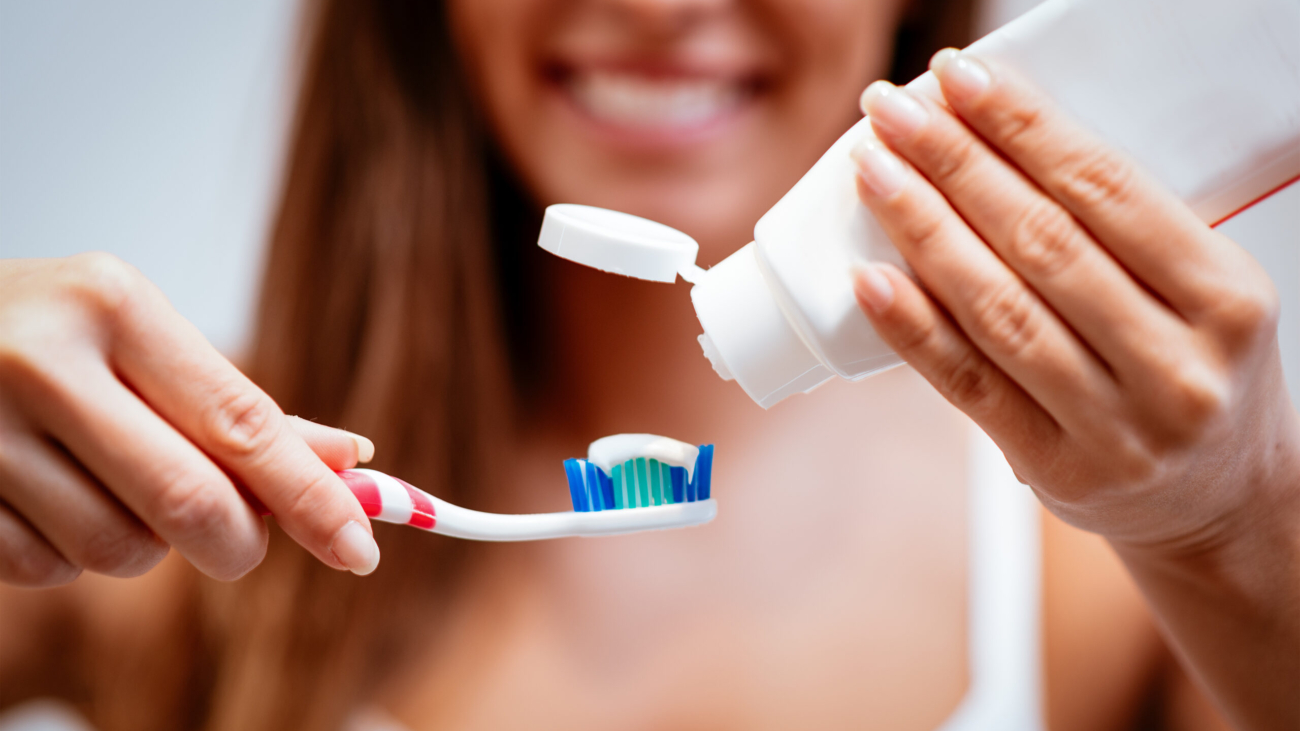
Why the Right Tools Are the Foundation of a Healthy Mouth
Choosing the right toothpaste and toothbrush is essential for maintaining a healthy mouth. These tools form the foundation of your daily defense against cavities, gum disease, and bad breath. It’s not just about brand loyalty—it’s about matching the right technology and ingredients to your unique needs. Starting with the right essentials is the most important first step to achieving and maintaining a truly healthy mouth.
Choosing the Right Toothbrush: Manual, Electric & More
Selecting a toothbrush can be overwhelming, but the decision ultimately comes down to a few key factors: type, bristle hardness, and head size.
Manual vs. Electric: Which Is Better?
- Manual: Simple, inexpensive, and effective—provided you use the proper brushing technique (short, gentle strokes).
- Electric: Often recommended by dentists, electric brushes—especially those with oscillating or sonic action—can remove plaque more efficiently and feature timers that ensure you brush for the full two minutes. For many, the motor does the work for them, resulting in a more thorough clean.
Bristle Hardness and Head Size
Regardless of whether you choose a manual or electric brush, the most crucial factor is bristle hardness. Most dental professionals recommend using a soft-bristled toothbrush. Hard bristles can be too abrasive, leading to gum recession and damage to your tooth enamel over time.
The head size should be small enough to comfortably reach all areas of your mouth, particularly the molars at the back. If you struggle to reach certain spots, a smaller head is a better choice.
Choosing the Right Toothpaste: Ingredients That Matter
The aisle of toothpaste tubes can be dizzying, but most fall into one of a few key categories, differentiated by their active ingredients:
- Fluoride Toothpaste: The gold standard for most people. Fluoride rebuilds weakened enamel and prevents tooth decay. Always look for a health association seal of approval to ensure efficacy.
- Sensitive Teeth Toothpaste: If you experience sharp pain when consuming hot or cold foods, look for compounds like potassium nitrate or strontium chloride. These ingredients block nerve pathways, reducing sensitivity over time.
- Whitening Toothpaste: Uses mild abrasives or chemical agents to polish teeth and remove surface stains. Effective for surface discoloration, but not for changing natural tooth color.
- Tartar Control Toothpaste: Contains chemicals like pyrophosphates to help prevent tartar buildup above the gum line.
For expert recommendations, visit Today’s Top Dentist-Approved Oral Care Products.
Oral Health Routine Beyond Toothpaste and Toothbrush
Brushing twice a day with the right tools is essential, but it’s only one part of a comprehensive routine. Complementary tools like floss and mouthwash play a vital role.
Flossing
Floss is the only tool that can effectively remove food particles and plaque from between your teeth and under the gum line—areas your toothbrush simply cannot reach. This step is critical for preventing gum disease and interproximal cavities.
Mouthwash
Therapeutic mouthwashes offer extra protection, often containing ingredients that help reduce plaque, prevent gingivitis, or fight bad breath. Use it as a final rinse, but not as a replacement for brushing and flossing.
Conclusion
A radiant, healthy smile begins with smart choices in your bathroom cabinet. By pairing the right toothbrush—ideally a soft-bristled model—with a toothpaste that addresses your specific needs, you are laying a strong foundation for lifelong oral health.
However, even the best tools need professional backup. Regular check-ups allow your dental professional to monitor your progress, catch small problems early, and provide personalized advice on your at-home routine.
Contact Us
Ready to ensure your routine is working for you? Schedule a professional check-up and consultation at iMed Medical Centre in Pretoria today!
FAQ Section
How often should I replace my toothbrush?
You should replace your toothbrush or electric toothbrush head every three to four months, or sooner if the bristles are frayed. Worn-out bristles are less effective at removing plaque.
Is electric or manual better?
Both manual and electric toothbrushes can effectively clean your teeth, but electric toothbrushes are often proven to be more efficient at removing plaque and can help you maintain the recommended two-minute brushing time due to built-in timers.
What is the best toothpaste for sensitive teeth?
The best toothpaste for sensitive teeth will contain active ingredients like potassium nitrate or strontium chloride. These ingredients work by desensitizing the nerve and blocking pain signals. You must use these types of toothpaste consistently for several weeks to notice a significant reduction in sensitivity.
Let me know if you’d like me to generate FAQ schema, add internal links, or create a matching social media caption to promote this article.