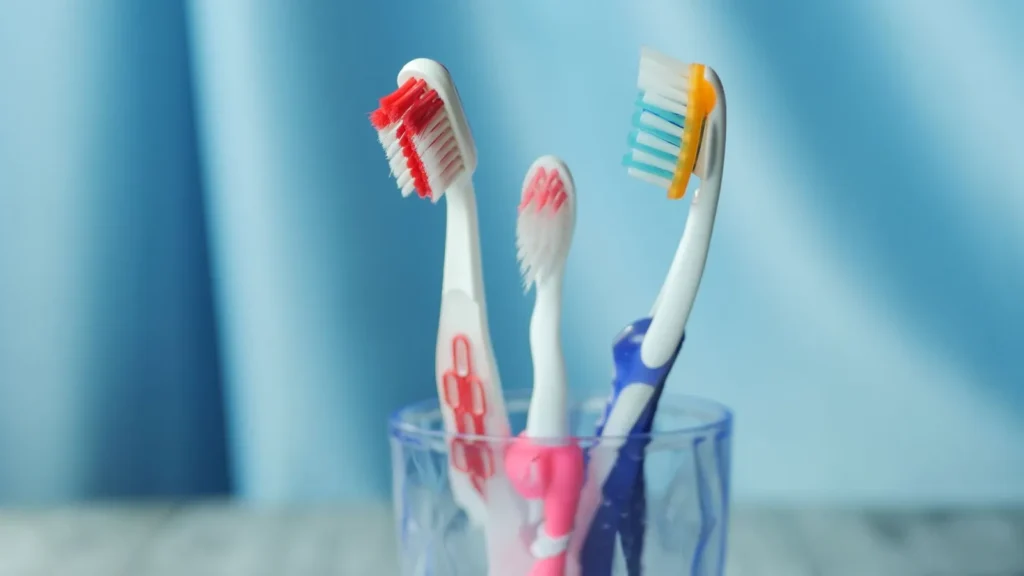
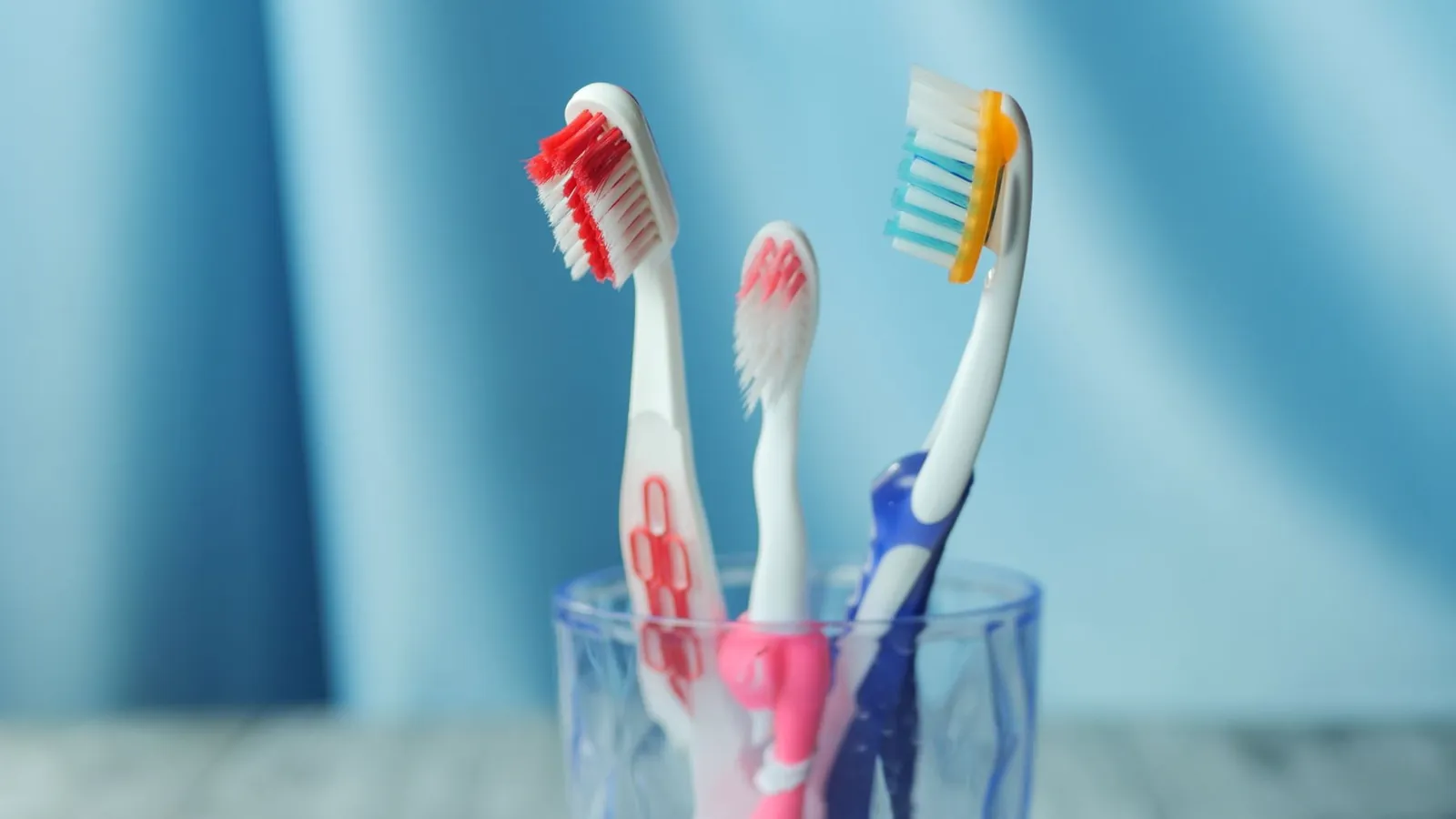
Choosing the right toothpaste and toothbrush usually means a fluoride toothpaste and a soft-bristled toothbrush with a small head, either manual or electric, used for two minutes twice a day. Beyond that, choose for your needs: a sensitivity toothpaste if cold or sweet things make your teeth twinge, a children’s-strength fluoride paste for young kids, and an electric brush if you find thorough brushing hard. When choosing the right toothpaste and toothbrush, technique and consistency matter more than any brand or price tag, and your dentist can recommend specific products after looking at your teeth and gums.
Key points – Fluoride is the single most important toothpaste ingredient for preventing decay. – Soft bristles clean well without damaging enamel or gums. – Electric brushes can help, but a manual brush used properly works too. – Whitening toothpastes remove surface stains and don’t change natural tooth colour. – Replace your brush every three to four months.
Choosing the Right Toothpaste and Toothbrush
Why does fluoride matter?
Fluoride strengthens enamel and helps protect against decay. Almost everyone benefits from a fluoride toothpaste. When choosing the right toothpaste and toothbrush, check the label for the fluoride content. Adult toothpastes usually contain more than children’s versions.
Which toothpaste is best for sensitive teeth?
Sensitivity toothpastes contain ingredients that help reduce the twinge from cold, hot or sweet foods. They often take a few weeks of regular use to work. Sensitivity can also signal decay, a cracked tooth, worn enamel or receding gums, so mention it at your check-up.
Do whitening toothpastes work?
They can lift surface stains from coffee, tea and smoking using mild abrasives or other agents, but they don’t change the natural colour of your teeth. For a noticeable shade change, ask about professional teeth whitening. Very abrasive pastes used heavily may wear enamel, so ask your dentist if you’re unsure.
What about tartar-control and gum-health toothpastes?
Tartar-control pastes can help slow new tartar build-up, but they can’t remove existing tartar. Only a professional scale and polish can. Gum-health formulas may help with plaque, but daily brushing and cleaning between your teeth are still essential.
Choosing the right toothpaste and toothbrush for children
Use a fluoride toothpaste in an amount appropriate for your child’s age: a tiny smear for very young children and a pea-sized amount for older children. Supervise brushing until they can do it well and spit out rather than swallow. Ask the dentist for advice specific to your child.
Are natural or charcoal toothpastes a good idea?
Some don’t contain fluoride, and charcoal products can be abrasive. If you prefer a natural product, look for one that still contains fluoride, and talk to your dentist.
Choosing the right toothpaste and toothbrush: brush options
Soft, medium or hard bristles?
Soft bristles are recommended for most people. Hard bristles and aggressive brushing can wear enamel and contribute to gum recession.
Choosing the right toothpaste and toothbrush: head size
A smaller head reaches the back teeth and awkward corners more easily.
Manual or electric?
Both can clean well. Electric brushes, especially oscillating-rotating types, may make it easier to clean thoroughly and often have timers and pressure sensors. They can be helpful for people with braces, limited dexterity or a habit of brushing too hard. A manual brush used with good technique for the full two minutes is effective and affordable.
When should I replace my toothbrush?
Every three to four months, sooner if the bristles are frayed, and after a cold or flu.
What else helps besides toothpaste and a brush?
-
Floss or interdental brushes
for cleaning between teeth. Interdental brushes suit wider gaps.
-
Water flossers
are helpful around braces, bridges and implants.
-
Tongue cleaning
to help with fresh breath.
-
Mouthwash
as an optional extra, not a replacement for brushing.
Choosing the right toothpaste and toothbrush: 6 brushing steps
- Use a pea-sized amount of fluoride toothpaste.
- Angle the bristles towards the gumline at about 45 degrees.
- Use gentle, small circular or short back-and-forth movements.
- Clean outer, inner and chewing surfaces of every tooth.
- Brush for two minutes, morning and night.
- Spit out the excess, and avoid rinsing straight away.
Do I need special products for braces, implants or dentures?
-
Braces
orthodontic brushes, interdental brushes and water flossers help clean around brackets.
-
Implants and bridges
interdental brushes and floss threaders help keep the area clean.
-
Dentures
clean them with a denture brush and a suitable cleanser, not regular toothpaste, which can be abrasive. See dentures.
Choosing the right toothpaste and toothbrush: personalised advice
At your check-up, Dr Makoma Nandi Khumalo can recommend products that suit your teeth, gums and any dental work you have. iMed’s dental practice is at The Fields, 1066 Burnett Street, Hatfield, convenient for UP students and residents of Hatfield, Hillcrest and Brooklyn. We’re open evenings and weekends and accept all major medical aids. Call 064 507 7048 to book, or see our dental services.
Choosing the right toothpaste and toothbrush: questions
Is expensive toothpaste better?
Not necessarily. A fluoride toothpaste that suits your needs, used correctly twice a day, matters more than brand or price.
Should I rinse after brushing?
Spitting out excess toothpaste without rinsing straight away leaves more fluoride on your teeth.
Can I use a medium-bristle brush?
Most people are advised to use soft bristles. If you prefer a firmer brush, ask your dentist whether it’s suitable for your gums.
How much toothpaste should I use?
A pea-sized amount is enough for adults and older children. Young children need a smaller smear.
Can toothpaste fix sensitive teeth permanently?
Sensitivity toothpaste can reduce symptoms with regular use, but the cause should be checked by a dentist, because some causes need treatment.
This page is general health information and does not replace a consultation with a qualified healthcare professional. If you have an emergency, call 064 507 7048 or go to your nearest emergency unit.