
Originally published 2025-04-23. Rewritten October 2026.
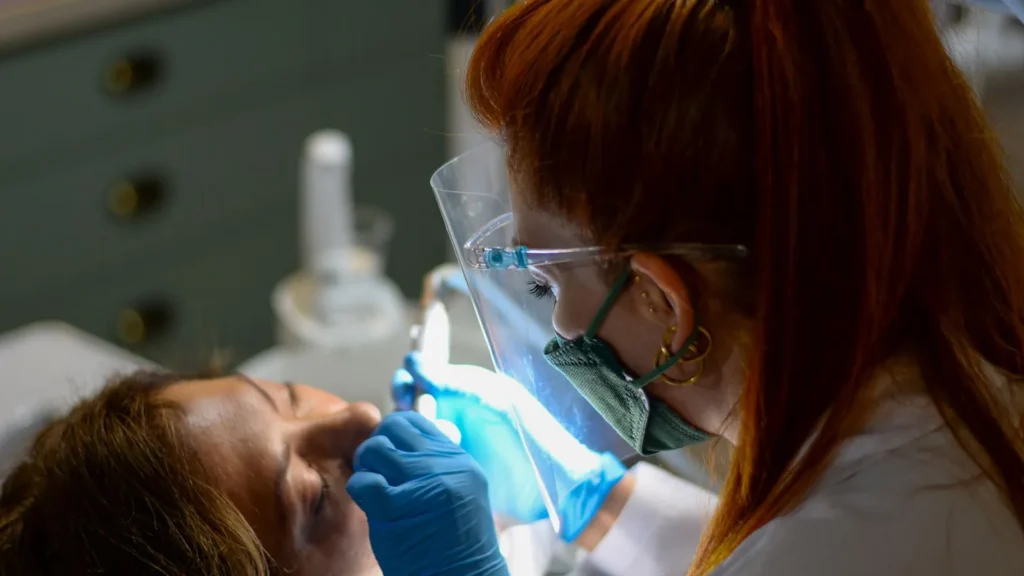
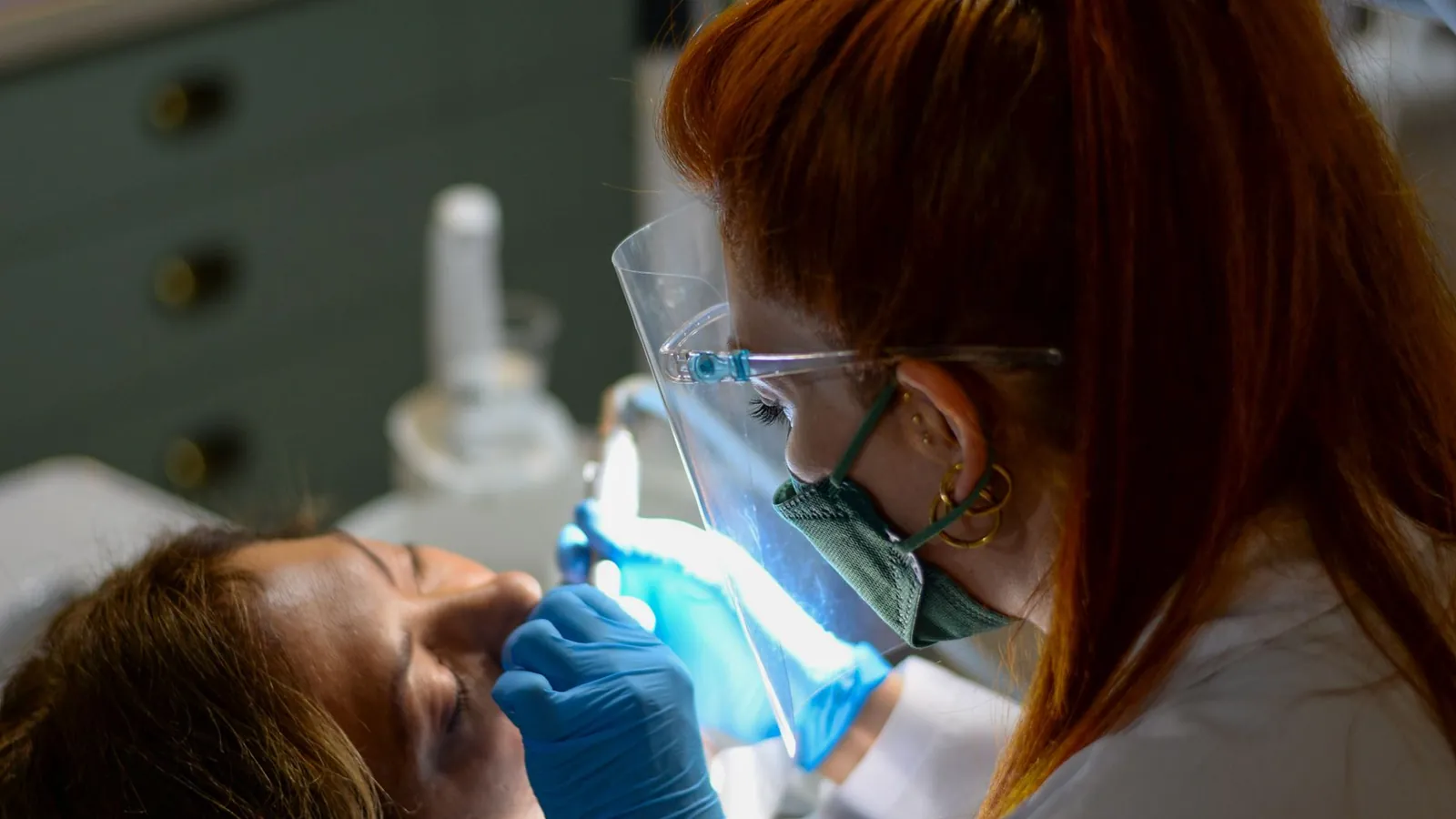
A regular dental check-up is a routine visit where the dentist examines your teeth, gums and mouth for decay, gum disease and other problems, usually with a professional clean. Most people are advised to go every six months, though your dentist may suggest more or less often depending on your risk. Check-ups matter because cavities and gum disease often cause no pain until they’re advanced, and catching them early usually means simpler, more comfortable treatment.
Key points – Most people should have a check-up about every six months. – Early decay and gum disease often have no symptoms. – A check-up usually includes an exam, possibly X-rays, and a clean. – Oral health is linked to general health, including diabetes. – Children should see a dentist from their first tooth or first birthday.
What happens during a dental check-up?
- Medical history: medicines and conditions that may affect your mouth
- Examination: each tooth, fillings, crowns, gums, tongue and soft tissues
- Gum check: measuring for gum pockets and bleeding
- X-rays: when needed, to find hidden decay or bone loss
- Scaling and polishing: removing plaque and tartar
- Advice and plan: home-care tips and any treatment needed
Why are regular dental check-ups important?
Do they catch problems early?
Yes. Small cavities can be filled before they reach the nerve, avoiding root canals or extractions.
Do they prevent gum disease?
Professional cleaning removes tartar that brushing can’t. See understanding gum disease.
Can a dentist spot other health problems?
Dentists can notice signs that may point to conditions such as diabetes, oral cancer, acid reflux or teeth grinding, and refer you when needed.
Do they save time and discomfort?
Preventive care is usually simpler and more comfortable than treating advanced problems.
How often should I go?
| Situation | Usual guide |
|---|---|
| Healthy adults | Every six months |
| Gum disease history | Often every 3–4 months |
| Diabetes or smokers | May need more frequent visits |
| Braces | More frequent cleaning and checks |
| Children | Every six months from the first tooth |
Your dentist will advise you on the best interval.
What do dentists look for?
- Tooth decay (cavities)
- Gum inflammation and periodontal disease
- Worn, cracked or broken teeth
- Problems with fillings, crowns or bridges
- Bite problems and teeth grinding
- Mouth sores and changes in the soft tissues
What about children’s dental check-ups?
Children should see a dentist by their first birthday or when the first tooth appears. Early visits build comfort and allow advice on brushing, diet and fluoride. Check-ups also monitor how adult teeth are coming through.
How can I look after my teeth between check-ups?
- Brush twice a day with fluoride toothpaste.
- Clean between teeth daily.
- Limit sugary snacks and drinks.
- Don’t smoke.
- See 10 ways to take care of your teeth.
What if I’m nervous about the dentist?
Dental anxiety is common. Tell the team so they can explain each step, go at your pace and agree a signal for breaks. Regular check-ups usually mean less treatment, which can reduce anxiety over time.
Where can I have a dental check-up in Pretoria?
iMed’s dentist, Dr Makoma Nandi Khumalo, provides dental check-ups and full dental care at Shop B006C, The Fields, 1066 Burnett Street, Hatfield, with parking available. Our Soshanguve branch offers the same services. We’re open evenings and weekends, and we accept all major medical aids. Call 064 507 7048.
What questions should I ask my dentist?
Taking a few questions to your appointment helps you get the most from it: – Do I have any cavities or early decay that should be watched? – How healthy are my gums, and are there any deep pockets? – Am I brushing and cleaning between my teeth effectively? – Are there signs that I grind or clench my teeth? – What are my treatment options, and what happens if I wait? – Which treatments are urgent, and which can be planned? – Can I have a written treatment plan to check with my medical aid? – How often should I come back for a check-up and clean? Ask the dentist to show you any problem areas, either in the mirror or on X-rays. Understanding why a treatment is recommended makes it easier to decide. At iMed, a GP and a Registered Dietitian are also on site in Hatfield and Soshanguve if your oral health is linked to diabetes, diet or other medical issues.
What are common myths about teeth and gums?
-
“Bleeding gums are normal.”
They’re usually a sign of gum inflammation and should be checked.
-
“If it doesn’t hurt, there’s no problem.”
Early decay and gum disease are often painless.
-
“Brushing harder cleans better.”
Hard scrubbing can damage gums and enamel. Gentle, thorough brushing works better.
-
“Baby teeth don’t matter because they fall out.”
They hold space for adult teeth and affect eating and speech, so decay should be treated.
-
“Sugar is only a problem in sweets.”
Frequent snacking on starchy foods and sugary drinks also feeds plaque bacteria.
-
“A dental clean damages enamel.”
Professional scaling removes tartar; it doesn’t remove healthy enamel.
-
“Whitening toothpaste whitens like a professional treatment.”
It mainly removes surface stains. If you’re unsure about advice you’ve read online, ask the dentist at your next check-up.
Frequently asked questions
How long does a dental check-up take?
Usually about 30 minutes to an hour, including a clean. See how long teeth cleaning takes.
Do I need X-rays every visit?
No. X-rays are taken when needed, based on your risk and history.
Does medical aid cover dental check-ups?
Many plans cover check-ups and cleans, often twice a year. Check your plan.
Can I skip a check-up if nothing hurts?
It’s best not to. Many dental problems are painless until they’re advanced.