
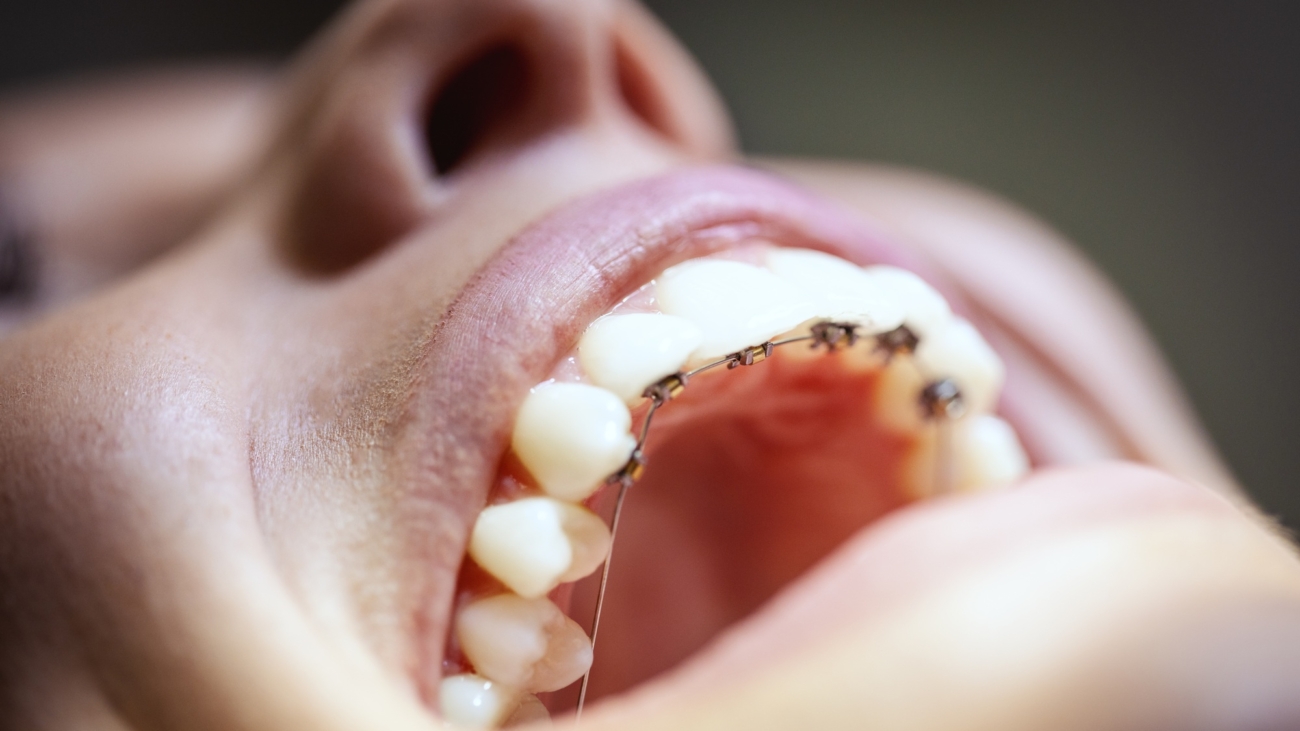
Why Do My Teeth Hurt When I Wake Up? Unraveling Morning Tooth Pain at iMed Medical Center in Pretoria
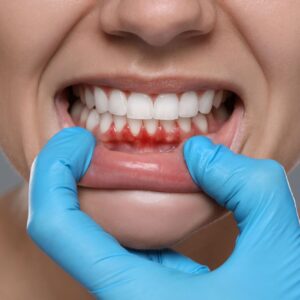
Waking up with an aching tooth can be a truly perplexing experience. Unlike pain that strikes after eating something hot or cold, morning tooth pain can feel like it came out of nowhere. If you’re consistently asking yourself, “Why do my teeth hurt when I wake Up?“, your body is sending a clear signal that something needs attention. At iMed Medical Center in Pretoria, we understand this common complaint and are here to help you identify the cause and find lasting relief.
Let’s explore the most frequent culprits behind morning toothaches and what steps you can take to alleviate the discomfort.
Common Culprits Behind Morning Tooth Pain:
Morning tooth pain often stems from issues that occur or are exacerbated while you sleep. Here are the primary reasons:
1. Bruxism (Teeth Grinding or Clenching)
This is by far one of the most prevalent causes of morning tooth pain. Many individuals unknowingly grind or clench their teeth during sleep (sleep bruxism). This puts immense, sustained, and often unconscious pressure on your teeth, jaw muscles, and the delicate temporomandibular joints (TMJs).
- Why it hurts in the morning: The continuous force exerted throughout the night leads to muscle fatigue and tooth sensitivity or pain that becomes evident upon waking.
- Other symptoms: You might also notice jaw soreness, persistent headaches (especially tension headaches around the temples), neck pain, flattened or chipped tooth surfaces, or a clicking/popping sound in your jaw.
- What to do: Your dentist at iMed can diagnose bruxism and often recommend a custom-fitted night guard to protect your teeth from excessive forces. Stress management techniques can also be beneficial, as bruxism is frequently linked to stress and anxiety.
2. Temporomandibular Joint (TMJ) Disorders (TMD)
Problems with your TMJ – the hinge connecting your jaw to your skull – can also manifest as morning tooth pain. The pain from TMD often radiates to your teeth, jaw, face, neck, and sometimes even your ears. Bruxism is a common contributing factor to TMD.
- Why it hurts in the morning: Similar to bruxism, sustained tension or clenching overnight can strain these vital joints and surrounding muscles, leading to discomfort upon waking.
- Other symptoms: Jaw stiffness, limited jaw movement, clicking or popping noises when opening or closing your mouth, and headaches.
- What to do: Treatment options range from night guards and stress reduction to physical therapy for the jaw, and, in some cases, medication or other dental interventions.
3. Sinus Infections or Congestion
Your upper back teeth (molars and premolars) have roots that are situated very close to your maxillary sinuses. When these air-filled cavities become inflamed or congested due to a sinus infection, allergies, or even a common cold, the resulting pressure can be felt as a dull, aching pain in the roots of these teeth.
- Why it hurts in the morning: Lying down for extended periods can increase sinus pressure, making the referred tooth pain more pronounced when you wake up.
- Other symptoms: Nasal congestion, facial pressure around your cheeks and forehead, headache, and sometimes a fever or discolored nasal discharge.
- What to do: If dental issues are ruled out, it’s advisable to consult a doctor for treatment of the underlying sinus condition. As your sinuses clear, the tooth pain should subside.
4. Tooth Decay (Cavities) or Damaged Fillings
An untreated cavity or a filling that has become loose, cracked, or damaged can expose the sensitive inner layers of your tooth (dentin or pulp) to bacteria and pressure changes.
- Why it hurts in the morning: Changes in blood flow and pressure when lying horizontally can sometimes increase pressure within the tooth, making existing decay or an irritated nerve more painful and noticeable upon waking.
- Other symptoms: Sharp, localized pain, sensitivity to hot, cold, or sweet foods/drinks, visible holes or dark spots on the tooth, or a persistent dull ache.
- What to do: This requires prompt dental attention. Your dentist at iMed can assess the tooth and provide the necessary treatment, such as a new filling, crown, or root canal therapy.
5. Gum Disease (Periodontal Disease)
Inflammation and infection of the gums and the underlying bone that supports your teeth (gum disease) can also lead to tooth pain and sensitivity.
- Why it hurts in the morning: Inflammation can be more noticeable after a period of rest, and the discomfort can radiate to the teeth. Receding gums exposing sensitive root surfaces can also contribute.
- Other symptoms: Red, swollen, tender, or bleeding gums; persistent bad breath; receding gums; or even loose teeth.
- What to do: Gum disease requires professional treatment, which may include deep cleaning (scaling and root planing) to remove tartar and bacteria from below the gum line. Learn more about its signs in our “Understanding Gum Disease: iMed’s Guide for Families” [internal link to “Understanding Gum Disease: iMed’s Guide for Families” blog post].
6. Dental Abscess or Infection
A severe bacterial infection inside the tooth (periapical abscess) or in the gums (periodontal abscess) can cause excruciating, throbbing pain that can be particularly intense in the morning.
- Why it hurts in the morning: Lying down can increase blood flow and pressure to the infected area, intensifying the pain.
- Other symptoms: Severe, continuous throbbing pain; noticeable swelling in the face or jaw; fever; pus drainage; extreme sensitivity to hot/cold; or a foul taste in your mouth.
- What to do: This is a dental emergency. Seek immediate care at iMed Medical Center. Abscesses will not resolve on their own and can lead to serious health complications if left untreated.
7. Other Less Common Causes:
- Impacted Wisdom Teeth: These can cause pain and inflammation as they attempt to erupt, which might be more noticeable after a night’s rest.
- Cracked Tooth: A tiny, often invisible, crack in a tooth might only cause pain under specific pressure, which can accumulate overnight from clenching.
- Dietary Factors: Consuming highly acidic or sugary foods before bed can exacerbate existing tooth sensitivity.
- Sleeping Position: In rare instances, consistently sleeping in a position that puts direct pressure on your jaw or specific teeth can contribute to discomfort.
When to Seek Professional Help at iMed Medical Center in Pretoria:
If you are consistently waking up with tooth pain, or if the pain is severe, persistent, accompanied by swelling, fever, or difficulty eating or swallowing, it’s crucial to schedule an appointment with your dentist at iMed Medical Center in Pretoria as soon as possible. As your local “Dentist Near You at iMed” [internal link to “Dentist near me iMed” blog post], we are equipped to diagnose and treat the root cause of your discomfort.
Ignoring morning tooth pain is never advisable – it’s your body’s way of telling you that something needs attention. Early diagnosis and timely treatment are key to preventing more serious problems and finding effective relief, ensuring your continued oral health as part of your overall well-being, as highlighted by the benefits of having a family doctor for comprehensive care.
Are you experiencing morning tooth pain? Don’t let discomfort disrupt your day!

Contact iMed Medical Center in Pretoria today to schedule your comprehensive dental examination. Visit our website at https://imedcentre.co.za/