
Do Gums Grow Back After Tartar Removal? Understanding Gum Recession and Your Options at iMed Medical Center in Pretoria
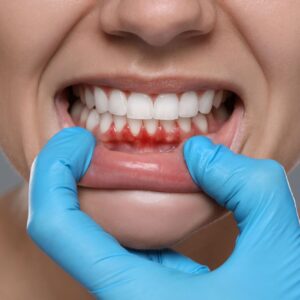
It’s a question many patients ask when dealing with gum inflammation or receding gum lines: “Do gums grow back after tartar removal?” It’s a hopeful thought, as healthy gums are fundamental to a healthy smile. At iMed Medical Center in Pretoria, we believe in providing clear, accurate information to empower you about your oral health. While regular cleanings are vital, the answer to whether gums naturally regenerate is a bit more nuanced.
Let’s delve into the role of tartar, the impact of gum disease, and what truly happens to your gum tissue.
What is Tartar (Calculus) and Why is its Removal Critical?
Before addressing gum regrowth, it’s essential to understand tartar. Tartar, or calculus, is hardened dental plaque – a sticky film of bacteria, food particles, and saliva that constantly forms on your teeth. If plaque isn’t removed daily through brushing and flossing, it mineralizes and hardens into tartar.
Why Tartar Removal (Scaling and Root Planing) is So Important:
- Irritation and Inflammation: Tartar creates a rough surface that attracts more plaque and irritates the gum tissue, leading to inflammation (gingivitis).
- Gum Disease Progression: If left unchecked, this inflammation can progress to periodontitis, a more severe form of gum disease where the gums pull away from the teeth, forming pockets that become infected. This leads to the destruction of the bone and tissues supporting your teeth.
- Deep Cleaning (Scaling and Root Planing): This professional procedure meticulously removes plaque and tartar from above and below the gum line. This cleaning is crucial because it eliminates the source of infection and inflammation, allowing your gum tissue to heal and reattach more firmly to your tooth roots. After tartar is professionally removed, some wonder, do gums grow back after tartar removal, or is further treatment needed?
The Truth About Gum Regrowth: Why They Don’t Grow Back Naturally
So, do gums grow back after tartar removal? Unfortunately, no, gum tissue that has been lost due to recession or the destruction caused by periodontitis does not regenerate naturally on its own.
When swelling from inflammation subsides after a deep cleaning, your gums might appear healthier and tighter around your teeth. This often gives the impression of regrowth, but it’s actually existing gum tissue healing and re-establishing its connection, along with a reduction in the previous swelling. The actual physical tissue that has receded or been lost due to disease won’t spontaneously return.
The same principle applies to the bone that supports your teeth; once it’s lost due to advanced gum disease, it typically doesn’t grow back naturally without intervention.
Options for Addressing Receding Gums at iMed Medical Center in Pretoria
While your gums won’t grow back on their own, there are effective dental procedures available at iMed Medical Center to address significant gum recession, protecting your teeth and improving your smile:
1. Gum Grafting Surgery
This is the most common and predictable solution for moderate to severe gum recession. A periodontist (gum specialist) can take a small amount of healthy gum tissue from another area of your mouth (often the roof) or use a sterilized donor tissue. This tissue is then carefully attached to the area where the gum has receded, covering the exposed tooth roots. This procedure helps:
- Reduce tooth sensitivity.
- Prevent further recession and root decay.
- Improve the aesthetics of your smile.
2. Regenerative Procedures
In cases where gum disease has led to significant bone loss around the teeth, regenerative procedures might be recommended. Techniques like Guided Tissue Regeneration (GTR) involve placing a special membrane over the bone defect to encourage the natural growth of bone and gum tissue.
3. Other Approaches (e.g., Pinhole Surgical Technique, Bonding)
- Pinhole Surgical Technique (PST): A less invasive alternative for certain types of recession, involving a small pinhole in the gum through which instruments gently move existing gum tissue to cover the exposed root.
- Dental Bonding: For very minor recession, your dentist might use tooth-colored composite resin to cover the exposed root surface, which can help with sensitivity and improve the tooth’s appearance cosmetically.
Prevention is Key: Protecting Your Gums in Pretoria
The best way to address gum recession is to prevent it in the first place or to catch it early. Here are crucial steps you can take for healthy gums:
- Practice Excellent Oral Hygiene: Brush your teeth twice a day with a soft-bristled toothbrush, using gentle, circular motions. Floss daily to remove plaque from between your teeth and along the gum line. For more tips, revisit our 10 ways to take care of your teeth guide.
- Regular Dental Check-ups and Cleanings: These are vital! Professional cleanings remove tartar buildup, and our dentists can detect early signs of gum problems before they become severe. This is why family dental checkups are so important for comprehensive health.
- Avoid Aggressive Brushing: Brushing too hard can actually cause gum recession over time.
- Quit Tobacco Products: Smoking and chewing tobacco are major risk factors for severe gum disease.
- Manage Systemic Health Conditions: Conditions like diabetes can impact gum health. Our integrated approach at iMed, benefiting from the benefits of having a family doctor, ensures comprehensive care.
Your Partner in Gum Health: iMed Medical Center in Pretoria
While gums do not naturally grow back after tartar removal, advanced treatments and diligent preventative care can help manage recession and maintain your oral health. If you are concerned about your gums or suspect recession, don’t hesitate to seek professional advice.
At iMed Medical Center in Pretoria, our experienced dental team is here to assess your gum health, answer your questions, and provide personalized treatment plans. We are committed to helping you achieve and maintain a healthy, beautiful smile for life.
Ready to take control of your gum health? If you’re still asking yourself ‘do gums grow back after tartar removal,’ our expert dental team at iMed Medical Center is ready to provide answers and guidance.
Contact Us
Contact iMed Medical Center in Pretoria today to schedule a comprehensive dental consultation. Visit our website at https://imedcentre.co.za/ Let us help you protect your gums and preserve your smile.